Leif Rydell
California July 15
July 2015 my close friend Claes and I decided to go to California for a 10 days long birding trip. Our purpose was to go by the coast from L.A up to Ventura and take the trip to Santa Cruz Island and from there to Los Osos where my friend Jim lives. Bird one day there and then continue to Yosemite. From there south to Las Vegas on the western side of the Sierras. Further to San Bernardino and the magic Salton Sea and back to L.A. Our first target was to go to Santa Cruz Island from Ventura to look for the endemic jay and fox. On the way out we hoped to see some pelagic birds and sea mammals. The first hours before the boat left we had a splendid time at a nearby beach. Here we had good looks at Willets and Whimbrels.
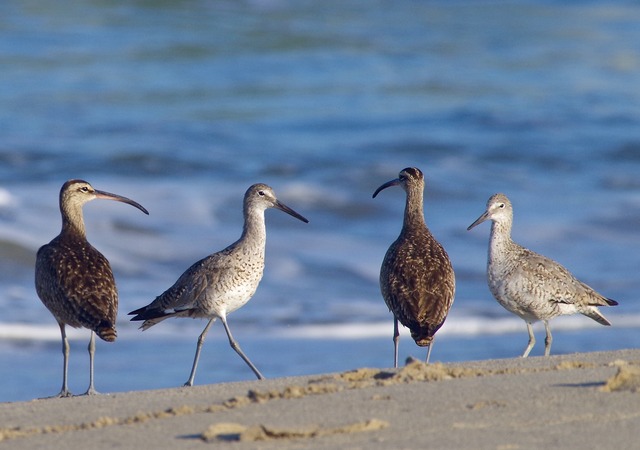
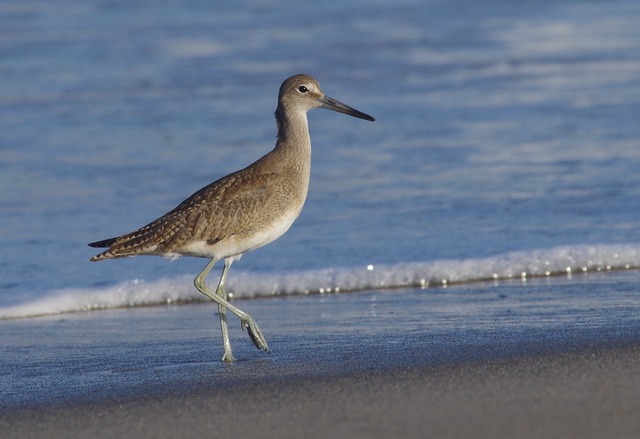
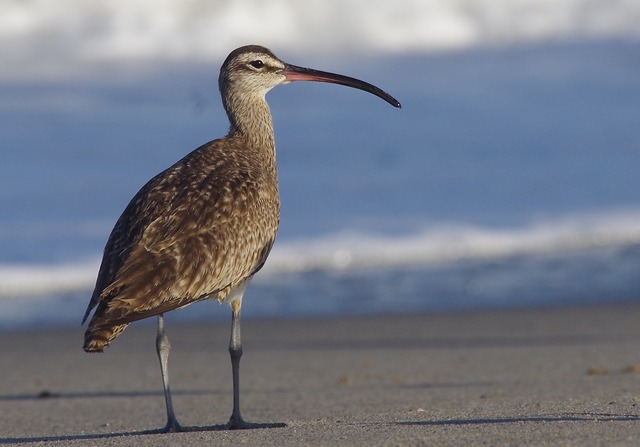
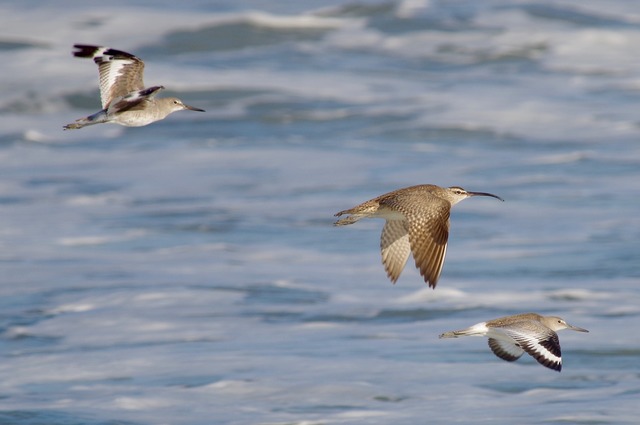
Here we also saw the not so common Heermann´s Gull as well as many Elegant terns and Brown Pelicans.
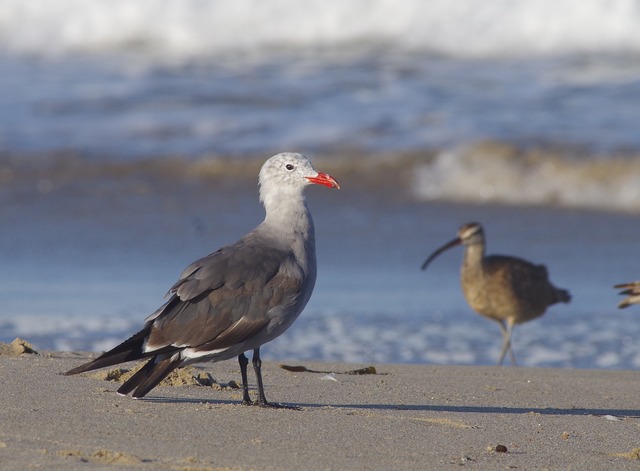
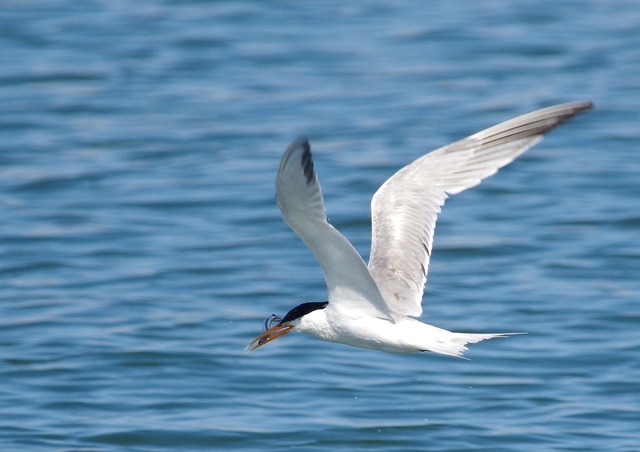
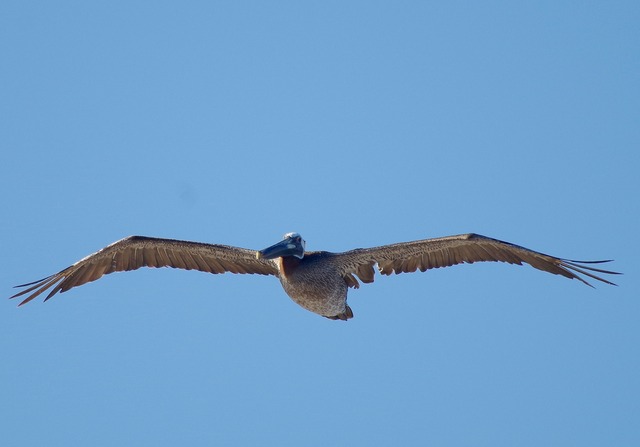
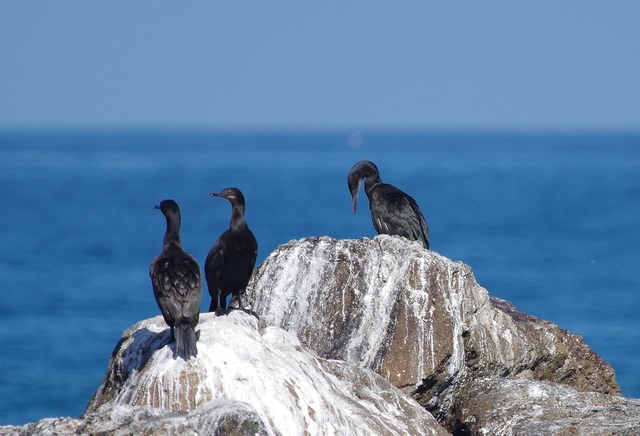
In the harbor we saw these Brandt´s Cormorants.
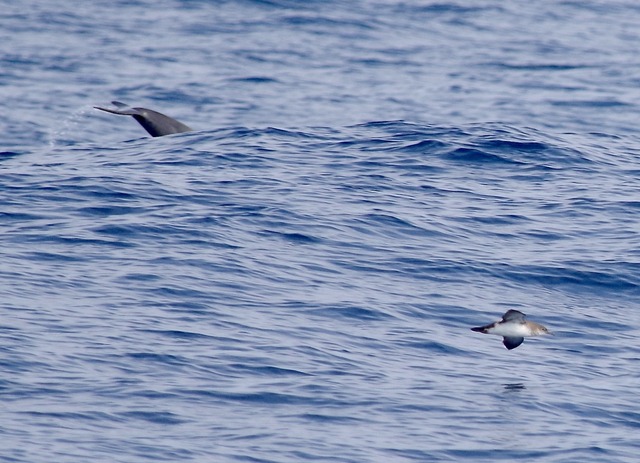
I usually have problems with sea sickness but I was fortune that the day was calm. The weather was excellent and the skipper said the water was clearer than usual. We just had a magnificent trip to the island with hundreds of Common Dolphins, Black-vented Shearwater among the pelagic species and as a strawberry at the top of the cake an adult Blue Whale. I have done Blue Whale trips up in Monterey before but failed to see one so this was as much a welcoming as a surprising sight. I kind of like my photo with both the Shearwater and the Dolphin.

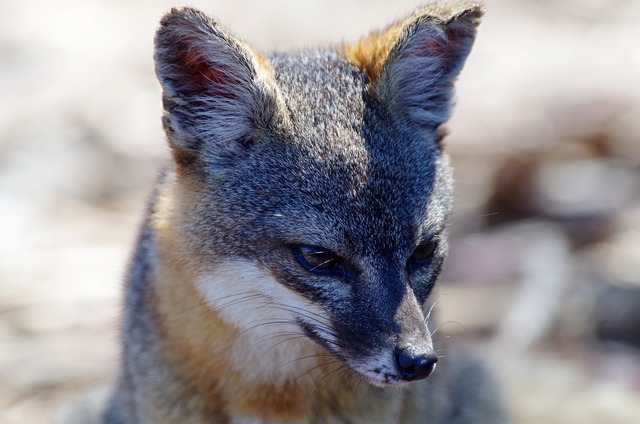
As we reached the island we didn't´t have to go far to see the endemic Island Scrub Jay and some more good birds. Close to the harbor area we found this cute Island Fox which almost looked like a puppy.
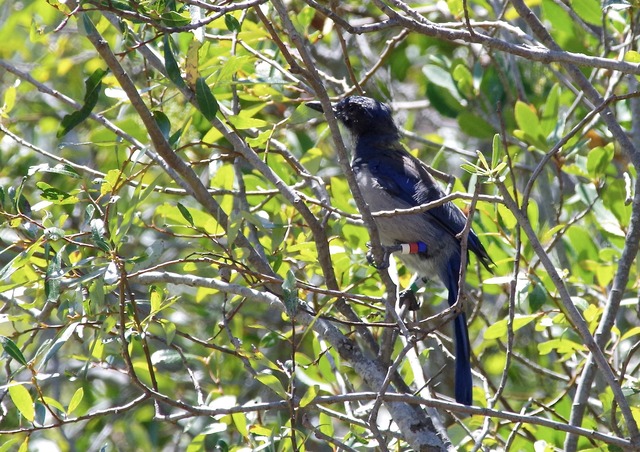
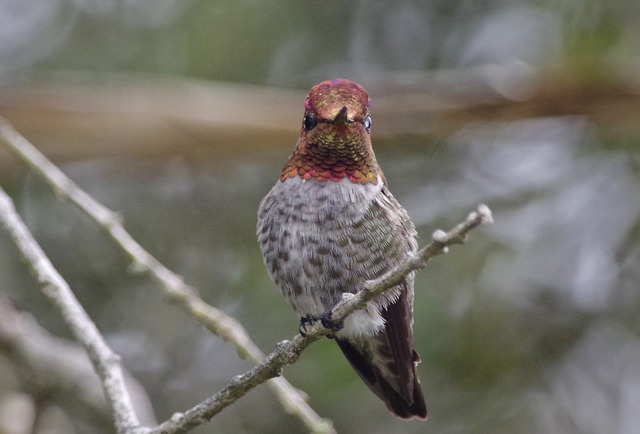
We felt privileged as we went back (and saw one more Blue Whale) and started the drive up to Los Osos. We spent the evening with Jim and his wife and had a good nights sleep. Next day we first took a walk in the surroundings of Jim´s house. Here we saw the awesome Anna´s Hummingbird (look how different they look depending on the lights).

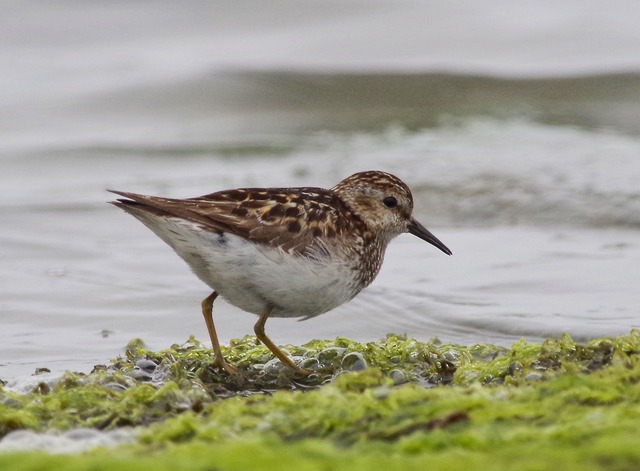
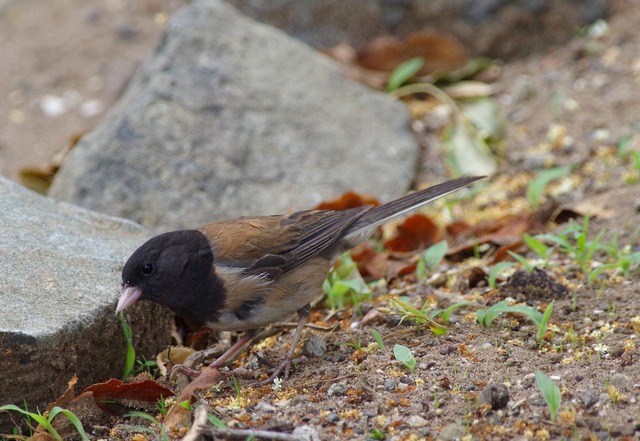
At the water we had these nice Little Stints and close by some Dark-eyed Juncos.
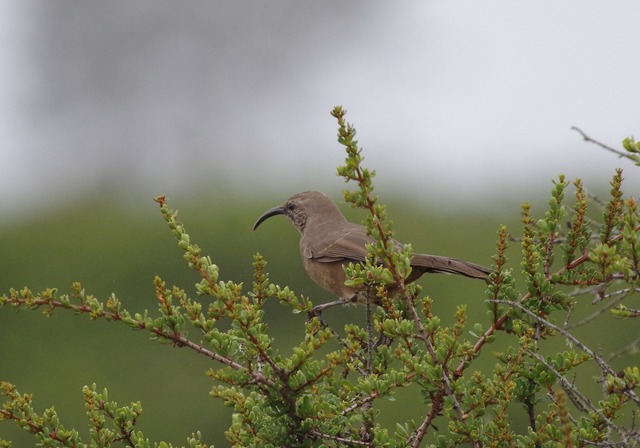
Close by he showed us the odd looking Californian Thrasher which perched when it heard its song.
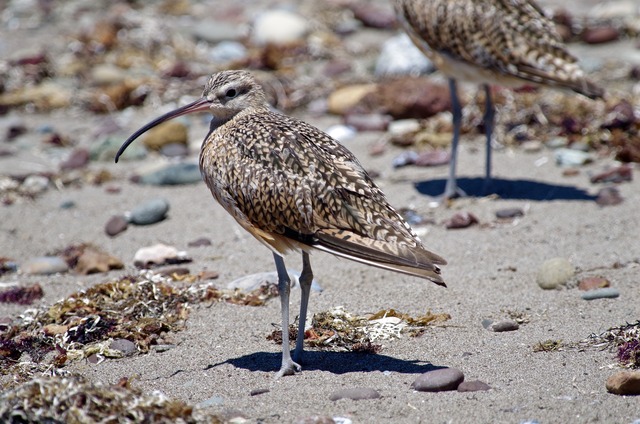
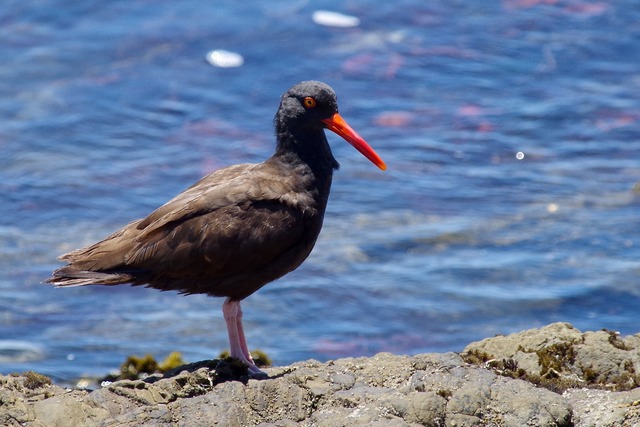
We then decided to drive north up on Highway 1. First stop was a rocky region where we saw more Whimbrels and the beautiful Black Oystercatcher.
Further north is a rookery for the enormous Elephant Seal. I really think nature is beautiful but when you see this, I don´t know. Anyway, if you go here this is absolutely a stop. The spectacle when the males are fighting is just great to watch.
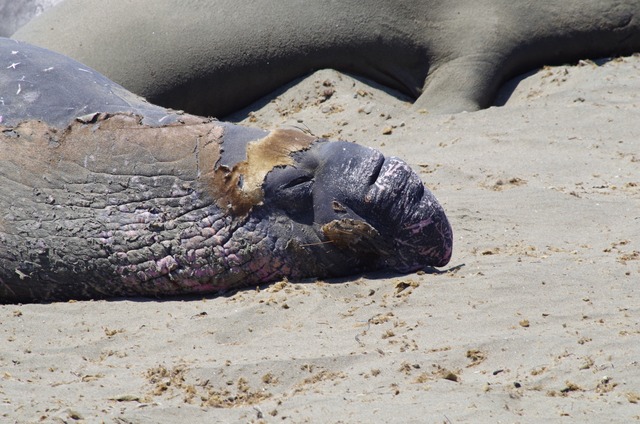
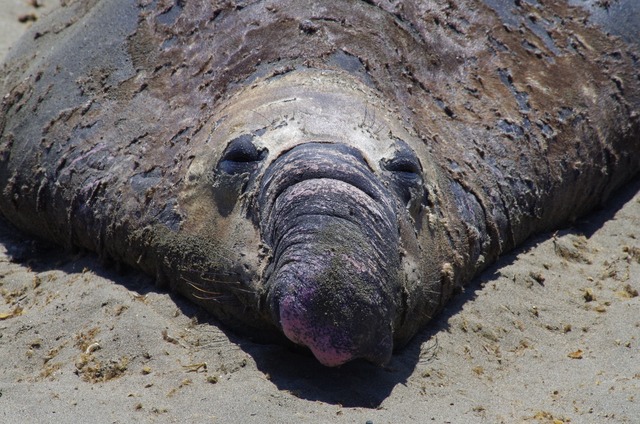
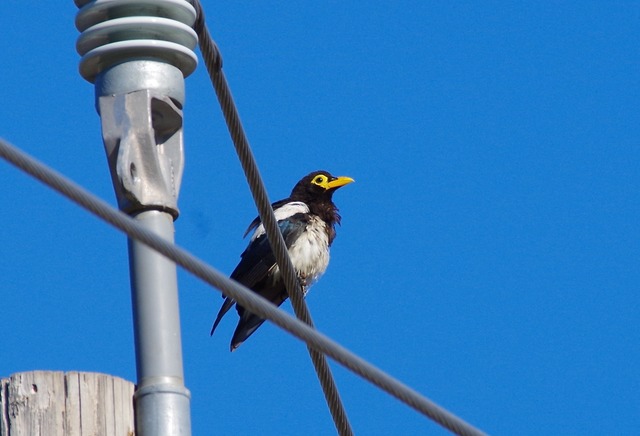
We then continued on the scenic Highway 1 about half way to Monterey when we eventually saw one Californian Condor far down on a beach. Next day was travel day towards Yosemite. On the way we met our other friends Mike and Ross who should spend the time with us in Yosemite. In Garden Farm we saw the local endemic Yellow-billed Magpie. A family with some young birds flew around us.
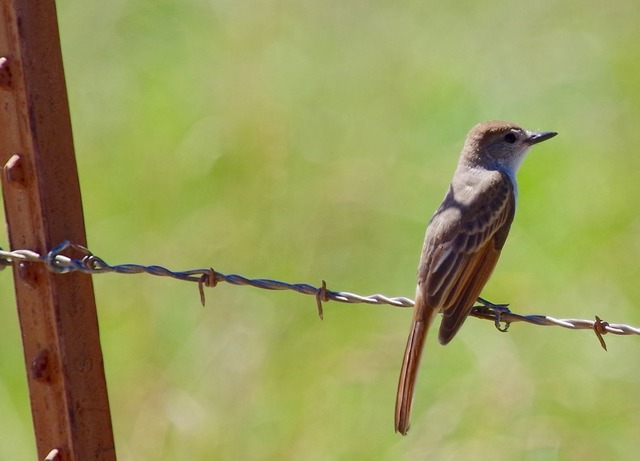
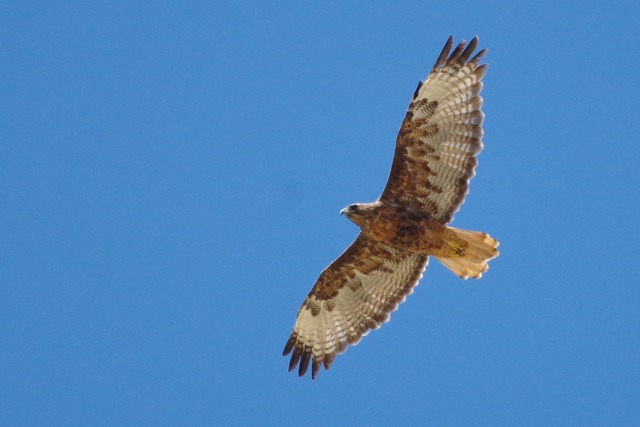
We also stoped at Cholaroe Road to look for a missing species of mine, the Lawrence´s Finch. Unfortunate we didn't´t see it but still had nice views of a family of Ash-throated Flycatchers and close looks at a Red-tailed Hawk.
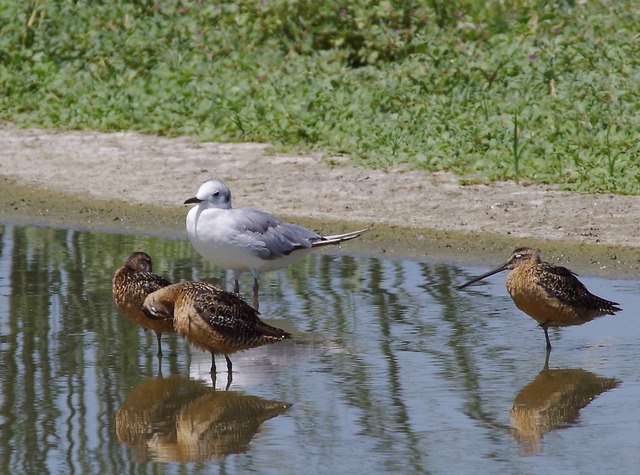
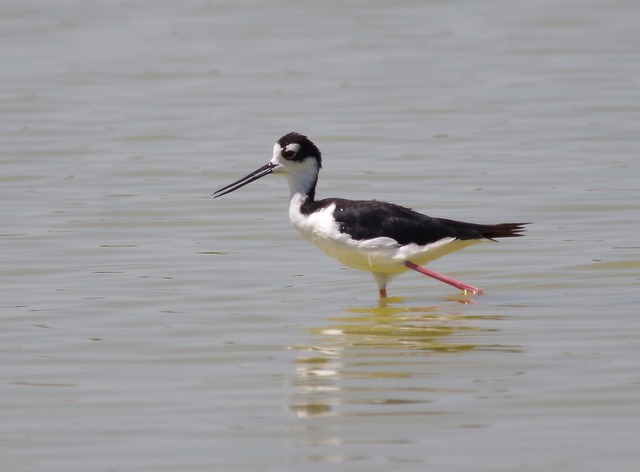
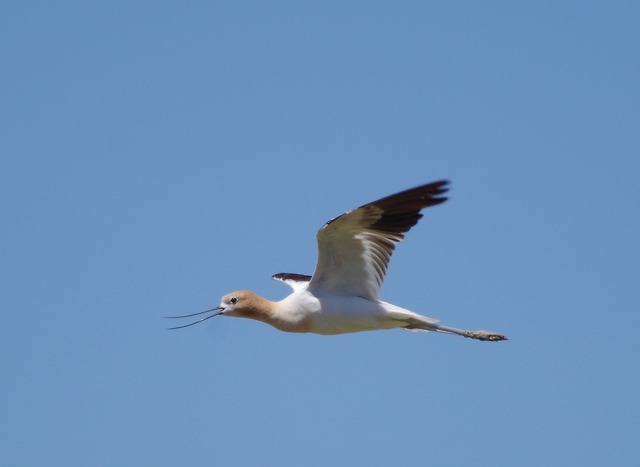
We also stayed at Jersey Ave. Ponds which was full of shorebirds and one Bonaparte´s Gull. Close to the shore also a few Black-winged Stilts and some American Avocets.
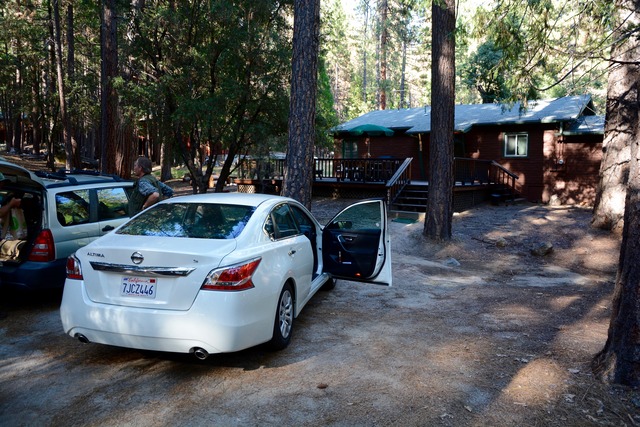
In the afternoon we arrived to this fantastic park. Jim had arranged for us to stay in a very cosy cabin at Wawona in the south west corner of the park. Here you can see this cabin.
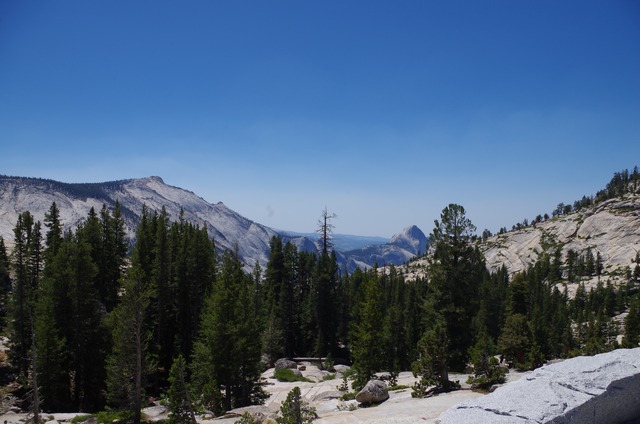
Yosemite is by many called the most beautiful park in the US and when you travel around it´s easy to understand why. Here are two examples.

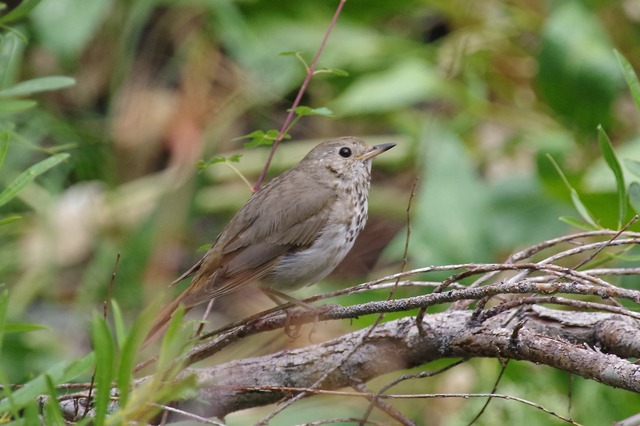
Birding here is not very easy and sometimes it could go hours before come to spots full of life. Here a Cassin´s Finch and Hermit Thrush.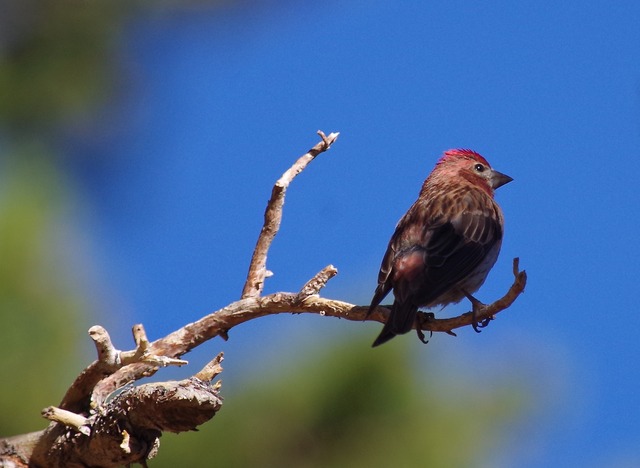
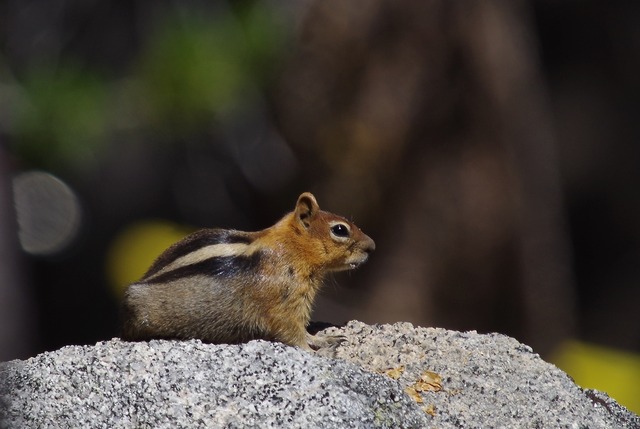
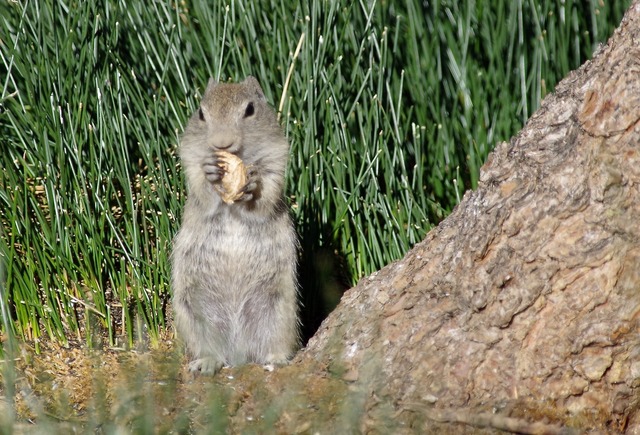
Very easy to find though, are the ground-squirrels and chipmunks. Here a Golden-mantled Ground-squirrel and a pale grey that I can´t decide what species it is. These photos were both taken at higher elevation near Tuolumne Meadows.
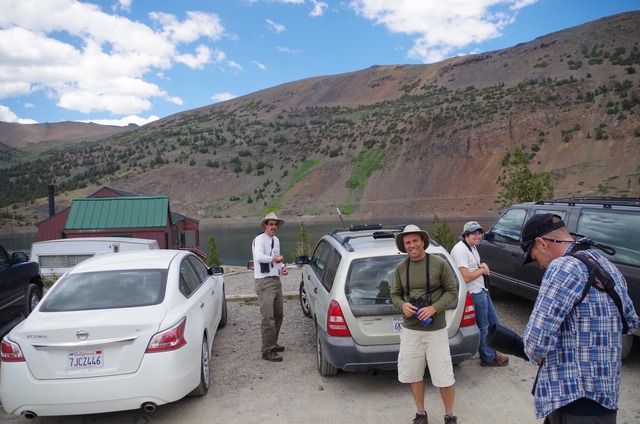
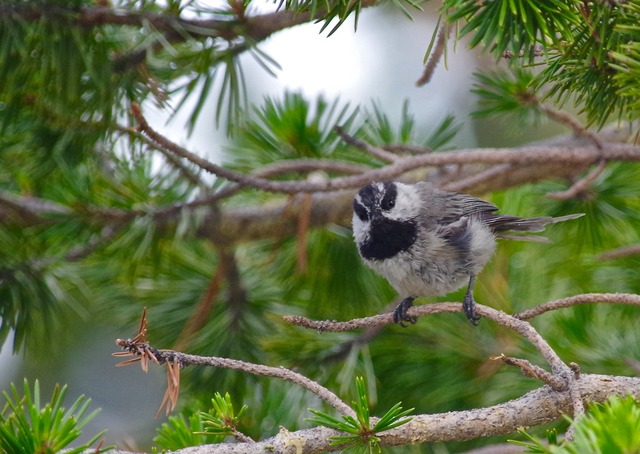
We drove up to the highest point at Sadlebag Lake and this is where we had to say good bye to each other as Claes and I planned to drive further north east and the others needed to return back towards Los Osos. Here you can see my friends at this Lake and the arid landscape. Up here we also had some birds and a nice flock of Mountain Chickadees.
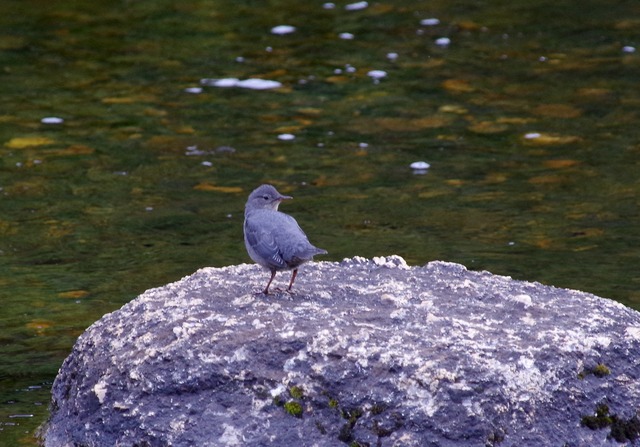
I have looked for the Am. Dipper on previous trips and on this we had searched in vain for it so I had more or less given it up when we eventually saw it at our last possible stop for it.
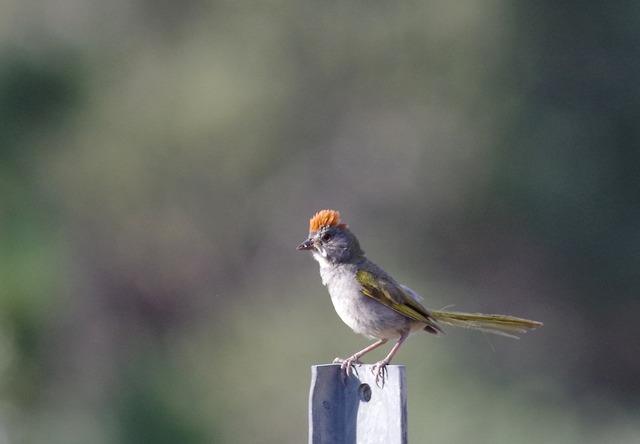
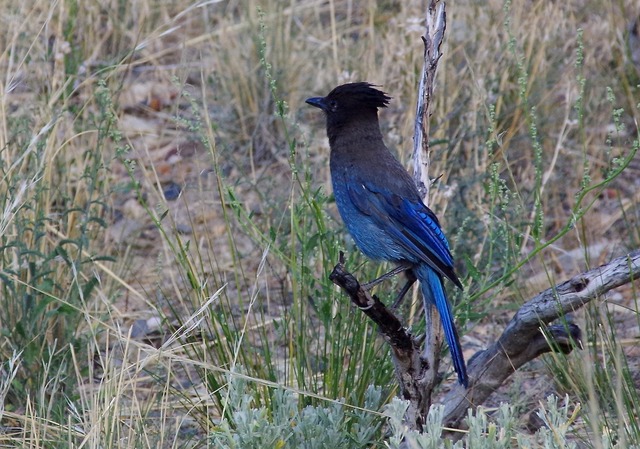
As Claes and I drove into lower elevations nature changed again and we came into habitat where we should have a chance to spot Green-tailed Towhee and we were lucky enough to see a pair at one stop together with the much more common but striking Steller´s Jay.
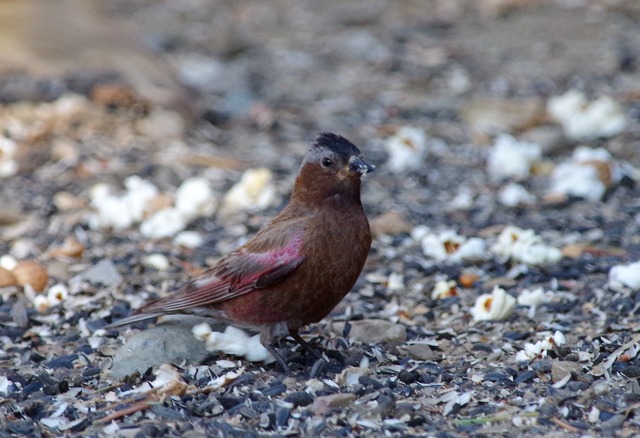
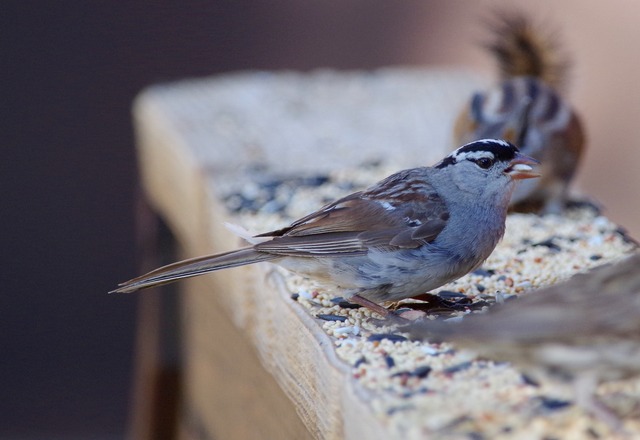
Next day we started at Virginia Lake Resort at the north eastern part of the park. Here we saw one of the target species, the Grey-crowned Rosy-finch. This is the place to go if you want to have a decent chance to see them. We only saw one which is enough. Here the White-crowned Sparrow was common.
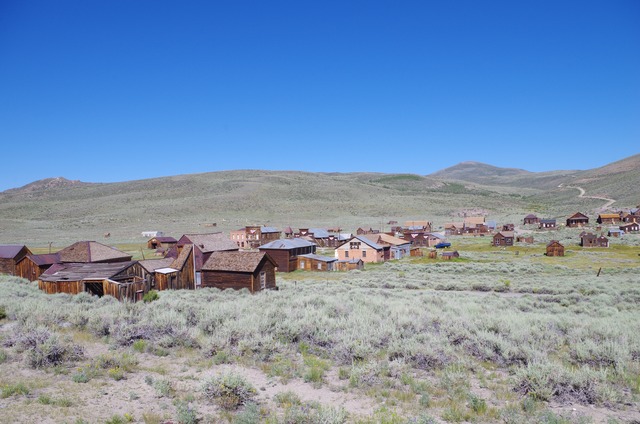
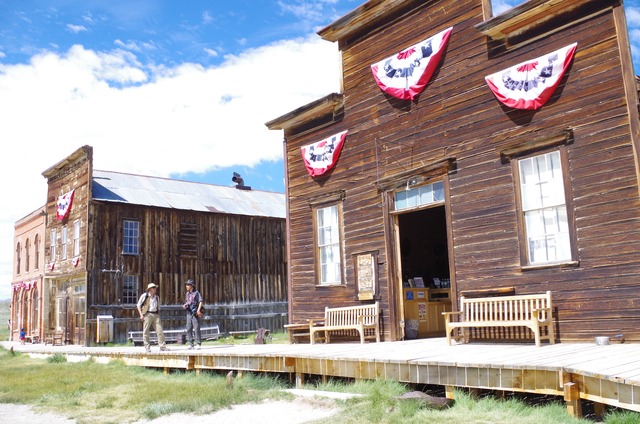
Not far from here is Bodie State Park which is one of the most amazing places I have been to. It is the remaining parts of and old gold rush town in the "famous wild west". Just about 15% is left but you can still get a good idea of how things must have been. A target species here is the Greater Sage Grouse but unfortunate we failed though we searched really hard. Here you can see the town and one of the old saloons.
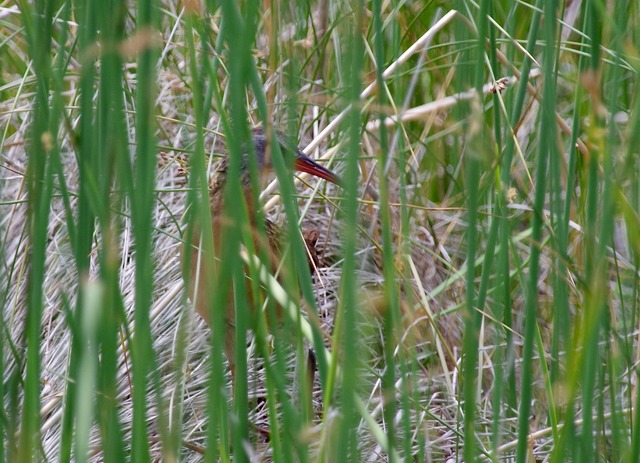
Filled with new impressions we drove to Mono Lake. At the northern side there are usually a lot of ducks, gulls and some shore birds. Usually the lake is full of Wilson´s Phalarope but this year something must have been wrong because we just saw a few. At the end of the board walk I played Virginia Rail and got immediate response. Here you can see it through the reeds.
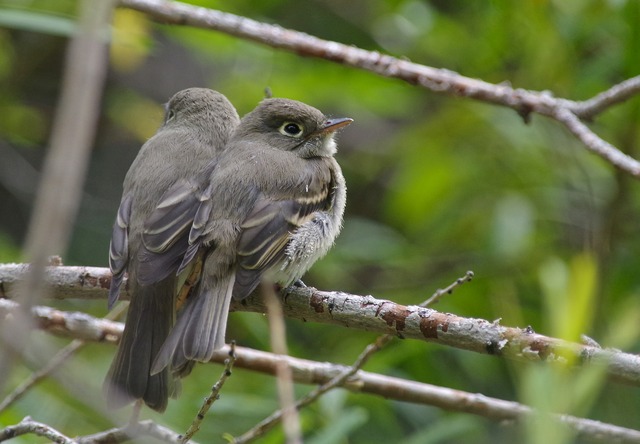
We felt a little bit short of time here but we had a very long drive from here down to Mount Charleston just north of Las Vegas. We stayed at the Mount Charleston Resort which is an upscale place but had good deals. This is an excellent place to stay at if you want to bird this area. The resort has a few hummingbird feeders which were full of life. We started an early climb towards the top the mountain. I was hoping to see my target bird of this trip, the Virginia Warbler. I felt so happy as we had two different males at close range. I didn't´t get any photos but it was just great. Further up we came up close to a very handsome Mule Deer and these cute juvenile flycatchers which I really can't be sure about what species they are.

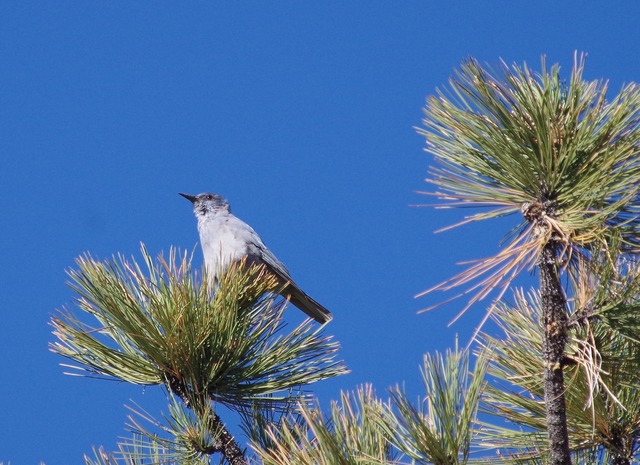
From here we drove south to San Bernardino Mountains were we had to work very hard to find one single Pinyon Jay.
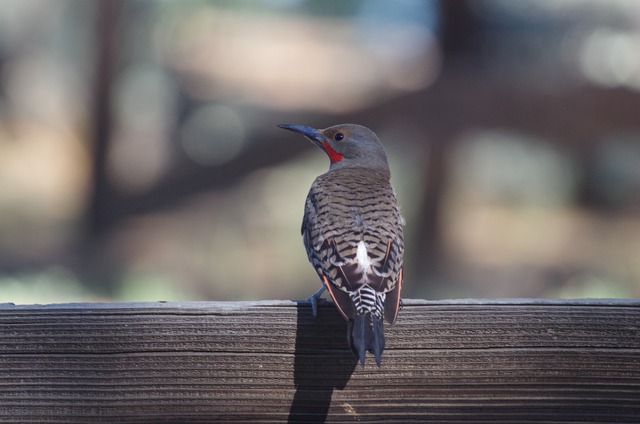
The area is good for birds and we saw many different ones like this Northern Flicker and this young Western Bluebird.
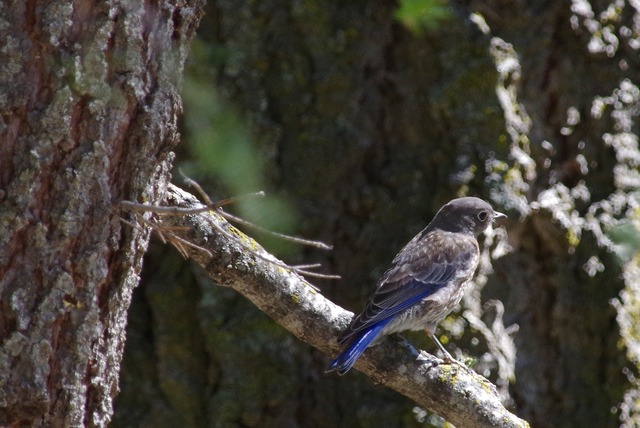
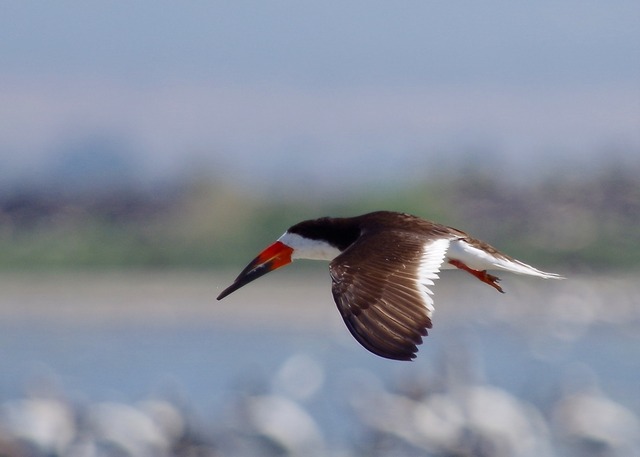
Our journey continued south to Salton Sea, which is an other magic place for birding. The heat is just incredible and it´s hard to understand people actually can live here. Temperatures above 40 degrees Celsius is standard at this time of the year. Anyway, the birds seems to love it and if you are, like me, a shore bird lover, this is heaven. Specials for this region are Black Skimmer and Yellow-footed Gull which were quite easy to find.

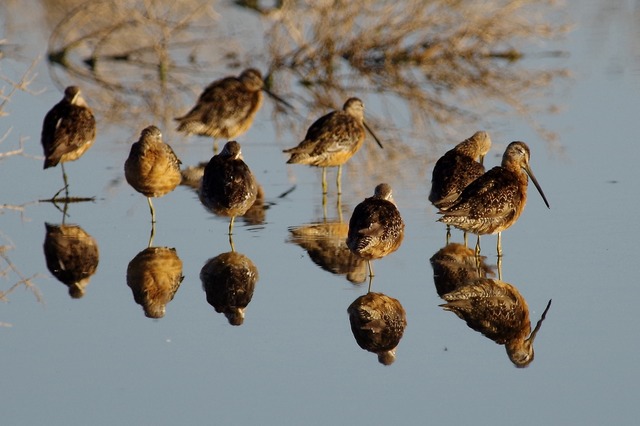
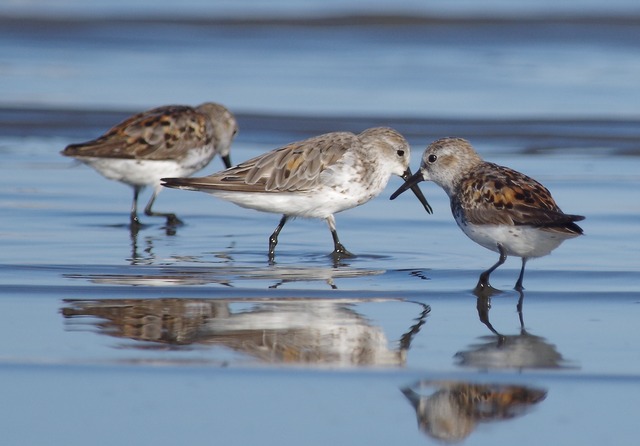
Shore birds are plentiful and sitting in that heat and see these beauties walking around is a memory I will keep for a long time. Here you see Long-billed Dowitchers, Western Sandpipers and
At the Visitor Centre close by we had many other species, both birds, mammals and lizards. Here a Burrowing Owl, Desert Cottontail and a Desert Spiny Lizard.
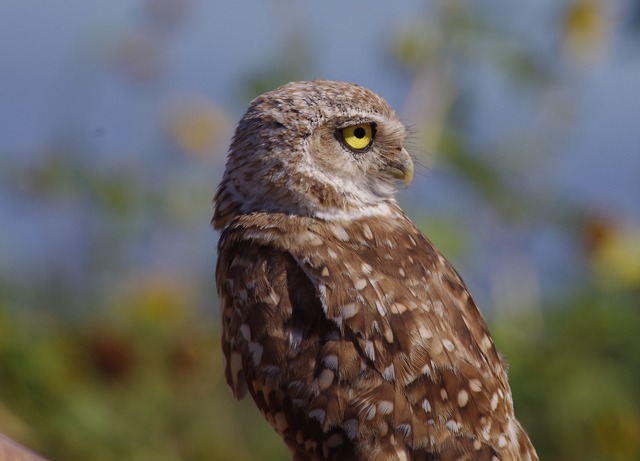
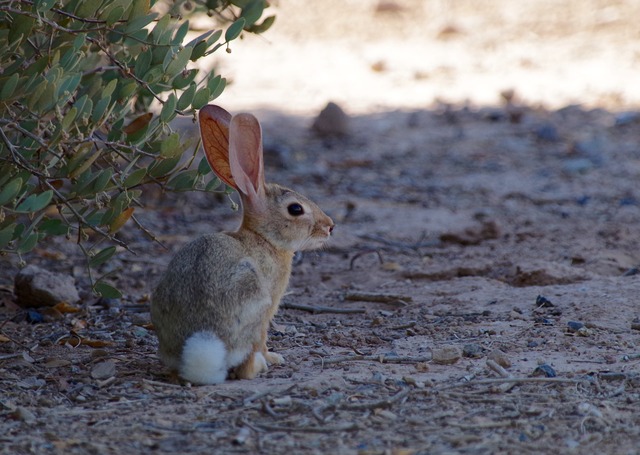
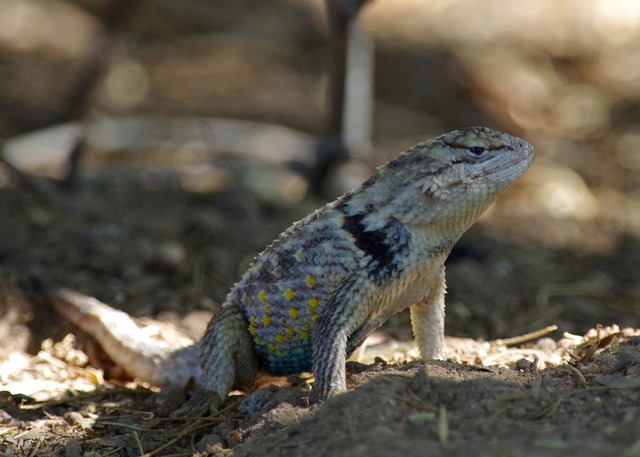
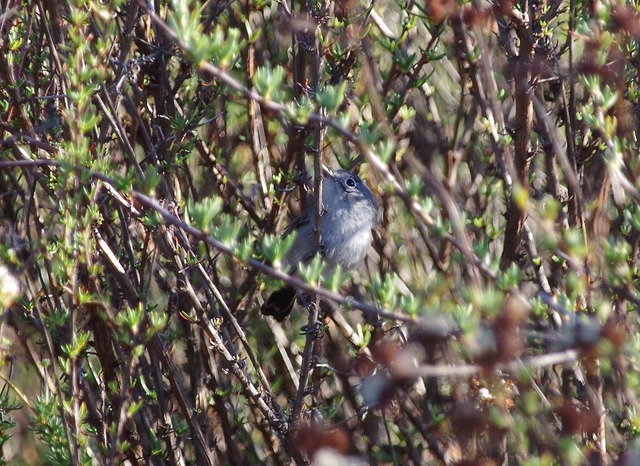
Our last target was to see the very local and endemic California Gnatcatcher. We drove to San Dieguito River Park which is supposed to be one of the better places to see it. We walked the area for quite a bit and saw some good birds but not the gnatcatcher. I felt disappointed that our trip should end with a "dip". Eventually we found it on the way back and we felt very satisfied as we drove to our motel for a last night of sleep.
Full bird list for the trip
- Canada Goose Branta Canadensis. 7 seen at Mono Lake
- Gadwall Anas strepera. 2 seen at Lake , San Bernardino.
- Mallard Anas platyrhynchus. Yes
- N. Shoveler Anas clypeata. 4 “on road” to Yosemite and 5 in Mono Lake.
- Common Merganser Mergus merganser. Seen at 3 different spots during the trip. Not uncommon.
- Ruddy Duck Oxyura jamaicensis. 2 birds seen at Mono Lake.
- California Quail Callipepla californica. Common at Morro Bay and Salton Sea.
- Pied-billed Grebe Podilymbus podiceps. 10 birds at Big bear Lake and a few others seen at different spots
- Eared grebe Podiceps nigricollis. Very common at Mono Lake, about 2500 seen.
10. Western Grebe Aechmophorus occidentalis. About 30 from the shore at Ventura and also about 200 at Lake Hodges, San Dieguito River Park.
11. Clark´s Grebe Aechmophorus clarkia. A few Lake Hodges, San Dieguito River Park.
- 12. Pink-footed Shearwater Puffinus creatopus. About 30 birds were seen from the boat trip out to Santa Cruz Island.
13. Sooty Shearwater Puffinus griseus. The most common shearwater during the trip to Santa Cruz, about 100 birds were seen.
14. Black-veneted Shearwater Puffinus opisthomelas. Only 4 birds seen at the beginning of the boat trip to Santa Cruz Island.
15. Brandt´s Cormorant Phalacrocorax penicillatus. About 30 seen the day around Morro Bay.
16. Double-crested Cormorant Phalacrocorax pelagicus. Common at suitable habitat.
17. Am. White Pelican Pelecanus erythrorhynchos. Common at Salton Sea and 3 birds seen at Big Bear Lake.
18. Brown Pelican Pelecanus occidentalis. Common at Salton Sea and by the coast.
19. Great Blue Heron Ardea Herodias. Seen during 6 days. Common at suitable habitat.
20. Great Egret Ardea alba. 15 birds seen during the day around Morro Bay.
21. Snowy Egret Ardea thula. Common at suitable habitat.
22. Cattle Egret Bubulcus ibis. Numerous around Salton Sea, approx. 1000 birds seen gathering whit ibises.
23. Black-crowned Night-heron Nycticorax nycticorax. 1at Ventura harbour and 6 at …..
24. White-faced Ibis Plegadis chihi. Afew seen on Jersey Avenue Ponds and about 1000 around Salton Sea.
25. Turkey Vulture Cathartes aura. Common.
26. California Condor Gymnogyps californianus. 1 bird seen at a distance resting on the beach with some Turkey Vultures.
27. Osprey Pandion haliaetus. A total of 3 birds around Mono Lake.
28. White-tailed Kite Elanus leucurus. 3 birds north of Morro Bay and 1 bird the last day.
29. Golden Eagle Aquila chrysaetos. One hurt bird seen on the ground at Cholaroe Road while looking for Lawrence´s Goldfinch (dip).
30. N. Harrier Circus cyaneus. One bird seen around Los Osos.
31. Cooper´s Hawk Accipiter cooperii. One bird at Los Osos and one more at Bluff Lake, San Bernardino.
- 32. Red-shouldered Hawk Buteo lineatus. One bird seen close to the Elephant Seal colony.
33. Red-tailed Hawk Buteo jamaicensis. Quite common during the 3 first days.
34. Ridgway´s Rail Rallus obsoletus. Heard a couple of times at Fig Lagoon, south of Salton Sea.
35. Virginia´s Rail Rallus limicola. We had good views at Mono Lake after playing the tape.
36. Common Gallinule Gallinula galeata. Only one bird seen at Mono Lake Park.
37. Am. Coot Fulica Americana. Only two birds seen at Jersey Ave. Ponds.
38. Black-necked Stilt Himantopus mexicanus. Common at suitable habitat.
39. Am. Avocet Recurvirostra Americana. Common at suitable habitat.
40. Black Oystercatcher Haematopus bachmani. Not uncommon at rocky beaches.
- 41. Black-bellied Plover Pluvialis squatarola. A group of 15 at Salton Sea.
42. Snowy Plover Charadrius nivosus. About 10 birds at Jersey Ave. Ponds and 4 at Salton Sea.
43. Semipalmated Plover Charadrius semipalmatus. About 20 birds seen at Salton Sea.
44. Killdeer Charadrius vociferous. Quite common.
45. Spotted Sandpiper Actitis macularius. 2 birds seen at rocky beaches north Los Osos.
46. Greater Yellowlegs Tringa melanoleuca. One single bird at Los Osos and about 10 birds at Salton Sea.
47. Willet Tringa semipalmata. Quite common at suitable habitat.
48. Lesser Yellowlegs Tringa flavipes. One bird Los Osos and common at Salton Sea.
49. Whimbrel Numenius phaeopus. Quite common at several beaches.
50. Long-billed Curlew Numenius americanus. A few seen at different locations.
51. Marbled Godwit Limosa fedoa. 3 in Los Osos and about 20 birds at Salton Sea
52. Ruddy Turnstone Arenaria interpres. About 20 birds around Los Osos.
53. Black Turnstone Arenaria melanocphala. About 20 birds at the rocky beaches around Los Osos.
54. Surfbird Calidris virgate. One single bird seen in the harbour on the way out to Santa Cruz Island. Unfortunately Claes missed this bird.
- 55. Sanderling Calidris alba. 2 the first morning and about 25 at Salton Sea.
56. Least Sandpiper Calidris minutilla. Common Los Osos, Jersey Ave. Ponds and Salton Sea.
57. Western Sandpiper Calidris mauri. Same as above.
58. Long-billed Dowitcher Limnodromus scolopaceus. A group at Jersey Ave. Ponds and common at Salton Sea.
59. Wilson´s Phalarope Phalaropus tricolor. As above.
60. Bonaparte´s Gull Chroicocephalus Philadelphia. One single bird at Jersey Ave. Ponds.
61. Laughing Gull Leucophaeus atricilla. 3 birds at Salton Sea.
62. Heerman´s Gull Larus heermanni. 4 at Ventura and common around Los Osos.
63. Ring-billed Gull Larus canus. About 10 birs at Salton Sea, probably overlooked as with some other gulls.
64. Western Gull Larus occidentalis. Common by the coast and at Salton Sea.
65. Yellow-footed Gull Larus livens. In total 20 birds at two different locations at Salton Sea.
66. California Gull Larus californicus. Common by the coast and Mono Lake, though much less than a normal year.
67. Least Tern Stermula antillarum. 2 birds seen at Ventura.
68. Gull-billed Tern Gelochelidon nilotica. 2 birds at Salton Sea.
69. Caspian Tern Hydroprogne caspia. Quite common at Salton Sea.
70. Black Tern Chlidonias niger. One single bird seen at Salton Sea.
71. Forster´s Tern Sterna forsteri. 2 birds at Big Bear Lake and 2 more at Salton Sea.
72. Elegant Tern Thalasseus elegans. Several hundreds were seen by the coast Ventura and Los Osos.
73. Black Skimmer Rynchops niger. This magnificent bird gave us close views at Salton Sea with 10 birds.
74. Rock Pigeon Columba livia. Yes.
- 75. Band-tailed Pigeon Patagioenas fasciata. 3 different birds at 3 separated locations.
76. Eu. Collared-Dove Streptopelia decaocto. Quite common.
- 77. Common Ground-Dove Columbina passerine. About 10 birds around Salton Sea.
78. White-winged Dove Zenaida asiatica. 3 birds at the visitor centre at Salton Sea.
79. Mourning Dove Zenaida macroura. Common.
- 80. Greater Roadrunner Geococcyx californianus. 5-6 birds showed well near the visitor centre at Salton Sea.
81. Burrowing Owl Athene cunicularia. 3 birds (should have been more?) close to our car next to the visitor centre at Salton Sea.
- 82. Common Nighthawk Chordeiles minor. We had fantastic views of about 20 birds hunting next to the road close to Bridgeport.
83. Common Poorwill Phalaenoptilus nuttallii. One bird seen from the car as it flew over the road just in front of us near Bridgeport.
84. Black Swift Cypseloides niger. About 15 birds suddenly showed up at the parking (east of the tunnel coming from Wawona) while we were looking at 20 white-throated.
- 85. White-throated Swift Aeronautes saxatalis. Se above and also 4 near Salton Sea.
86. Black-chinned Hummingbird Archilochus alexandri. 2 birds seen at the feeders at Mount Charleston Resort.
- 87. Anna´s Hummingbird Calypte anna. The most common Hummer. Seen during 4 days with a maximum of 10 around Los Osos.
- 88. Broad-tailed Hummingbird Selasphorus platycercus. Common at the feeders at Mount Charleston Resort, +10 birds seen.
- 89. Rufous Hummingbird Selasphorus rufus. 2 birds identified at the same resort.
90. Allen´s Hummingbird Selasphorus sasin. 4 birds at Santa Cruz Island and 2 more around Los Osos.
91. Lewis´s Woodpecker Melanerpes lewis. One bird at the stake-out at Paso Robles.
- 92. Acorn Woodpecker Melanerpes uropygialis. Common, seen every day.
- 93. Red-breasted Sapsucker Sphyrapicus ruber. 2 birds seen at Yosemite and one more at Bluff Lake San Bernardino.
94. Nuttall´s Woodpecker Picoides nuttallii. Heard at Cerro Alto, Los Osos and also seen Yosemite.
- 95. Hairy Woodpecker Picoides villosus. 2 birds at Yosemite and one more at Big Bear Lake.
- 96. White-headed Woodpecker Picoides albolarvatus. 2 birds seen in Yosemite and one more at Bluff Lake, San Bernardino.
- 97. Northern Flicker Colaptes auratus. Quite common.
- 98. Am. Kestrel Falco sparverius. Decently common around Los Osos. Common around Salton Sea.
99. Prairie Falcon Falco mexicanus. Excellent and surprising views of one bird at Cholame Valley Road on the way towards Yosemite.
- Olive-sided Flycatcher Contopus cooperi. 2 birds at Cerro Alto, one more next to Tioga Road and one more at Mount Charleston.
- W. Wood-Pewee Contopus sordidulus. Quite common.
- Dusky Flycatcher Empidonax oberholseri. 2 birds certainly identified next to Tioga Road, Yosemite.
- Pacific-slope Flycatcher Empidonax difficilis. 2 birds seen at Cerro Alto.
- Black Phoebe Sayornis nigricans.. Quite common the first 4 days.
- Say´s Phoebe Sayornis saya. 2 birds seen. 1 at Cholame Valley Road on the way towards Yosemite and one more at Bluff Lake.
- Ash-throated Flycatcher Myiarchus cinerascens. A group of 10 gathered around the bridge at Cholaroe Road while looking for Lawrence´s Goldfinch.
- Western Kingbird Tyrannus verticalis. Quite common on the way up towards Yosemite. A few others seen at different spots.
- Loggerhead Shrike Lanius ludovicianus. One of the first birds we saw on the trip. 2 of them just west of L.A and 2 more at Salton Sea.
- Cassin´s Vireo Vireo cassinii. One single bird seen next to Tioga Pass Road.
- Hutton´s Vireo Vireo huttoni. 4 birds seen at Los Osos and Cerro Alto.
- Warbling Vireo Vireo gilvus. 3 birds at Cerro Alto.
- Pinyon Jay Gymnorhinus cyanocephalus. Only one single bird seen at Big Bear Lake, san Bernardino.
- Steller´s Jay Cyanocitta stelleri.
- Island Scrub-Jay Aphelocoma insularis. At least 2 different birds seen in the vicinity of Prisoners Harbor at santa Cruz Island.
- W. Scrub-Jay Aphelocoma californica. Single birds seen on most days.
- Black-billed Magpie Pica hudsonia. About 10 birds seen from the northern shore of Mono Lake and up to Bridgeport.
- Yellow-billed Magpie Pica nuttalli. A family was eventually found at Garden Farm on the way towards Yosemite.
- 118. Clark´s Nutcracker Nucifraga columbiana. This beautiful creature was seen at Tioga Road, Yosemite and also with afew birds at Mount Charleston and San Bernardino.
- Am. Crow Corvus brachyrhunchos. Common.
- Common raven Corvus corax. Common.
- N. Rough-winged Swallow Stelgidopteryx serripennis. 5 birds at Ventura.
- Tree Swallow Tachycineta bicolor. Quite common at Bodie and san Bernardino.
- Bank Swallow Riparia riparia. 5 birds around Mono Lake.
- Barn Swallow Hirundu rustica. Not uncommon by the coast.
- Cliff Swallow Petrochhelidon pyrrhonota. Common, seen most days.
- Mountain Chickadee Poecile gambeli. Common in mountainous areas.
- Chestnut-backed Chickadee Poecile rufescens. About 15 birds Los Osos.
- Oak Titmouse Baeolophus inornatus. 5 birds around Los Osos and a few more on stops towards Yosemite.
- Juniper Titmouse Baeolophus ridgwayi. 2 bird around Mount Charleston.
- Bushtit Psaltriparus minimus. Not uncommon.
- Red-breasted Nuthatch Sitta Canadensis. Common in Yosemie and heard a few more times at different locations.
- White-breasted Nuthatch Sitta carolinensis. One bird at Cerro Alto and common at Mount Charleston and San Bernardino.
- Pygmy Nuthatch Sitta pygmaea. A group of 10 birds seen at the downhill road from Yosemite close to Lee Vining.
- Brown Creeper Certhia Americana. A total of 10 birds at 4 different locations.
- Rock Wren Salpinctes obsoleteus. One bird seen well next to the road just south of Bridgeport.
- Canyon Wren Catherpes mexicanus. Heard several times at Mount Charleston.
- House Wren Troglodytes aedon. 1 Los Osos and one more just east of Yosemite.
- Pacific Wren Troglodytes pacificus. Not uncommon east of Yosemite, Bodie, Mono Lake.
- Marsh Wren Cistothorus palustris. About 4 birds seen around Mono Lake.
- Bewick´s Wren Thryomanrs bewickii.
- California Gnatcatcher Poliptila californica. Trip closed when we finally saw 2 birds the last day at San Dieguito River Park after a couple of hours of struggling.
- Am. Dipper Cinclus mexicanus. Eventually we saw one bird at our last stop before leaving Yosemite. We had probably looked for it at 30 different places before we had our success.
- Golden-crowned Kinglet Regulus satrapa. One single bird at the visitor centre at Yosemite.
- Western Bluebird Sialia Mexicana. A couple of birds on …road and quite common at Big Falls, San Bernardino.
- Townsend´s Solitaire Myadestes townsendi. Luckily we saw 2 birds close to the car park after a strenuous walk up the mountain at Big Falls, San Bernardino.
- Hermit Thrush Catharus guttatus. 1 bird at Yosemite and 2 more at Mount Charleston.
- Am. Robin Turdus migratorius. Decently common.
- California Thrasher Toxostoma redivivum. 2 bird showed well at Los Osos.
- Sage Thrasher Oreoscoptes montanus. Quite common on the dirt road towards Bodie.
- Northern Mockingbird Mimus polyglottos.
- Eu. Starling Sturnus vulgurus.
- Phainopepla Phainopepla nitens. 2 birds seen at Garden Farm while looking for the Yellow-billed Magpie.
- Orange-crowned Warbler Oreothlypis celata.
- Nashville Warbler Oreothlypis ruficapilla. 4 birds seen in Yosemite.
- Virginia´s Warbler Oreothlypis virginiae. Leif´s most wanted bird was seen well by 2 different birds at Mount Charleston.
- MacGillivray´s Warbler Geothlypis tolmiei. Luckily we saw one at Cerro Alto, Los Osos.
- C. Yellowthroat Geothlypis trichas. 2 at Ventura and one bird Los Osos.
- Yellow-rumped Warbler Setophaga coronate. A total of 10 birds at different spots inYosemite.
- Black-throated Gray Warbler Setophaga nigriscens. One bird Yosemite and 2-3 birds at Mount Charleston.
- Hermit Warbler Setophaga occidentalis. A total of 7 birds in Yosemite.
- Wilson´s warbler Cardellina pusilla. 3 birds at Cerro Alto.
- Green-tailed Towhee Pipilo chlorurus. 2 birds seen well at Lee Vining and 2 more at Bluff Lake, San Bernardino.
- Spotted Towhee Pipilo maculatus. 2 at Los Osos, one on the way up towards Yosemite and 2 more at Mount Charleston.
- California Towhee Melozone crissalis. 5 birds around Los Osos and 4 more at Salton Sea.
- Albert´s Towhee Melozone aberti. 3 juv. Birds seen at the Visitor Centre at Salton Sea.
- Chipping Sparrow Spizella passerine. Heard at a few spots at Lake Hodges, San Dieguito River Park.
- Savannah Sparrow Passerculus sandwishensis. 4 birds seen around Los Osos.
- Song Sparrow Melospiza melodia. Not uncommon, seen most days with a few birds.
- Lincoln´s Sparrow Melospiza lincolnii. A total of 5 birds seen at different locations at Yosemite.
- White-crowned Sparrow Zonotrichia leucophrys. Common in Los Osos and also a few birds at Yosemite/ Virginia Lake Resort.
- Dark-eyed Junco Junco hyemalis. Common, seen on many days.
- W. Tanager Piranga ludoviciana. Quite common at the coast and Yosemite. A few birds at Mount Charleston.
- Black-headed Grosbeak Pheucticus melanocephalus. 3 birds close to the visitor centre at Yosemite.
- Blue Grosbeak Passerina caerulea. Eventually 2 birds were seen at
- Red-winged Blackbird Agelaius phoeniceus. Very common at Salton Sea and a few more while travelling.
- W. Meadowlark Sturnella neglecta. 5 of them along Cholame Valley Road.
- Brewer´s Blackbird Euphagus cyanocephalus. Quite common.
- Great-tailed Grackle Quiscalus mexicanus. 3 around Mount Charleston Resort and about 10 more at Salton Sea.
- Brown-headed Cowbird Molothrus ater. A few on the way uo to Yosemite and a group at Mono Lake.
- Hooded Oriole Icterus cucullatus. 3 at Santa Cruz Island and one more close to Los Osos.
- Bullock´s Oriole Icterus bullockii. One bird seen at the stake out for Lewis´s W.P at Pasa Robles.
- Scott´s Oriole Icterus parisorum. 1 bird seen at the Visitor Centre at Salton Sea.
- Gray-crowned Rosy-Finch Leucosticte tephrocotis. We were lucky to see one bird immediately we arrived to Virginia Lake Resort.
- House Finch Haemorhous mexicanus. Common at santa Cruz Island and around Los Osos.
- Purple Finch Haemorhous purpureus. Only one bird seen at Los Osos, Morro bay.
- Cassin´s Finch Haemorhous cassinii. Seen at 2 places. 7 birds at Tamarack Flat, Yosemite and about 10 at the feeders at Virginia Lake Resort.
- Red Crossbill Loxia curvirostra. 1 flock located by call at Yosemite.
- Pine Siskin Spinus pinus. Quite common in the mountain areas.
- Lesser Goldfinch Spinus psaltria. Decently common.
- House Sparrow Passer domesticus. Yes.
Mammals
- Yellow-bellied Marmot Marmota flaviventris. Only one seen at White Wolf campground, Yosemite.
- California ground squirrel Otospermophilus beecheyi. Seen atmany places. Not counted.
- Chipmunk……
- Golden-mantled Ground Squirrel Spermophilus lateralis. Seen quite often in Yosemite, not counted.
- Desert Cottontail Sylvilagus audubonii. A pair around the visitor center at Salton Sea.
- White-tailed Deer Odocoileus virginianus. One mother with child at a stop at White Wolf campground.
- Mule Deer Odocoileus hemionus. Excellent views of a male at Mount Charleston.
- Island Fox Urocyon littoralis. We had close views of two separate individuals close to the jetty att Santa Cruz Island.
- N. Elephant Seal Mirounga augustirostris. +100 seen at the colony at Piedras Blancas.
10. Common Dolphin Delphinus delphis. Uncertain of these were “Long-beaked or Short-beaked” but still about 300 of them were seen during the trip to Santa Cruz Island.
11. Humpback Whale Megaptera novaeangliae. Two families seen in a bay from Highway 1 south of Big Sur.
12. Blue Whale Balaenoptera musculus. One whale each seen close to the boat on the way out and one back from Santa Cruz Island. It was probably two different whales as the first one looked bigger.
Others
1. Desert Spiny Lizard Sceloporus magister. A nice male tried to hide from us at the Visitor Centre, Salton Sea.
Seychelles -11
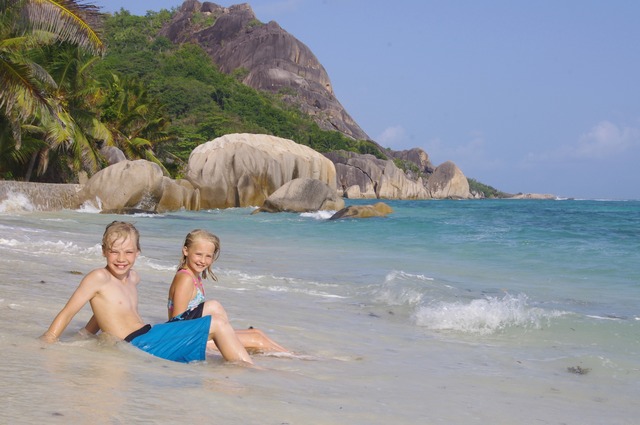
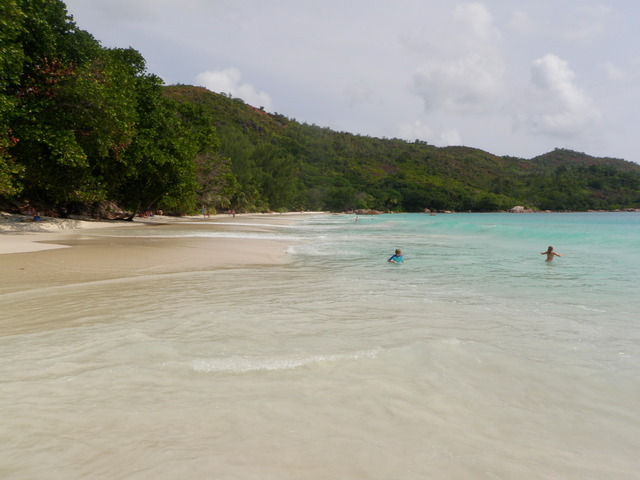
Ever since I was a young boy and looked in the travel agent brochures, I ´ve wanted to visit the Seychelles. It´s told to very expensive and in one way it is. Low budget/ standard accommodation is available but it´s not cheap. For quite simple lodging you have to pay the rates you normally pay for much better standard. However, if you choose the cheapest alternatives with kitchens, go by bus and rent your own car at Mahé you can survive without getting broke. If you want to do island jumping you need to buy tickets for that as well. Honestly, don´t go there if you are not prepared to see several islands. Mahé is nice but the others are better and also differ in habitats. The island are stunning but not well developed for tourists. If you are staying at a resort you will get everything there. If you travel by yourself, you will find poorly lighted streets and sometimes restaurants far away from each other. Don´t expect to find a "beach walk" full of souvenir shops. No, it´s you and the nature. Also take your time to decide where to stay depending on time of the year. Currents make some beaches waters not so clear and sometimes brings in weed and other stuff. If you know where to go you will find very nice places. Below you can see the most famous beach, Anse Sourse d´Argent. It was nice to have been here and it´s very beautiful. Our absolute favorite was the Anse Lazio at Praslin. Awesome waves to play in, only pure white sand and crystal clear water for snorkeling at the rocky edges, just paradise.
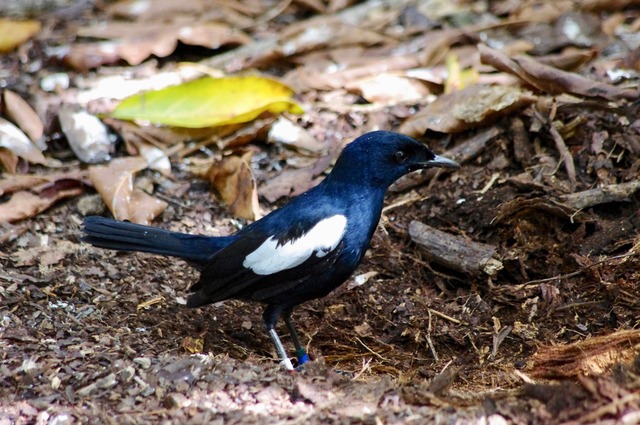
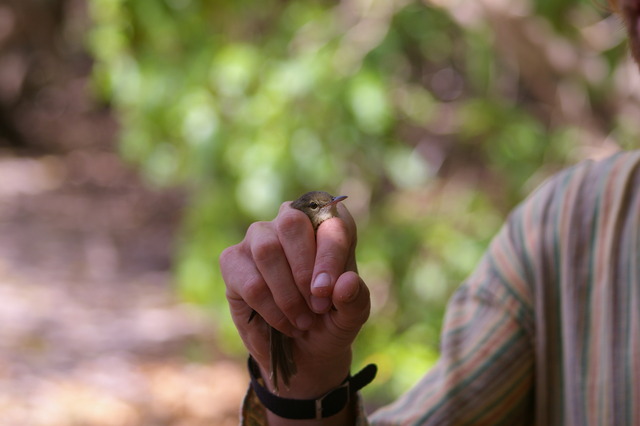
Going to the Seychelles means you can see some of the rarest birds on earth. They will not be very hard to see if you go to the right spot but their world population is very small so they are endangered. When you stay at Praslin you can make a day trip to Cousin, which is a protected reserve where you not can spend the night unless you are doing science research. Here you will see Seychelles Magpie Robin, Seychelles Warbler (in the hand of a bander) among the big amounts of sea birds.
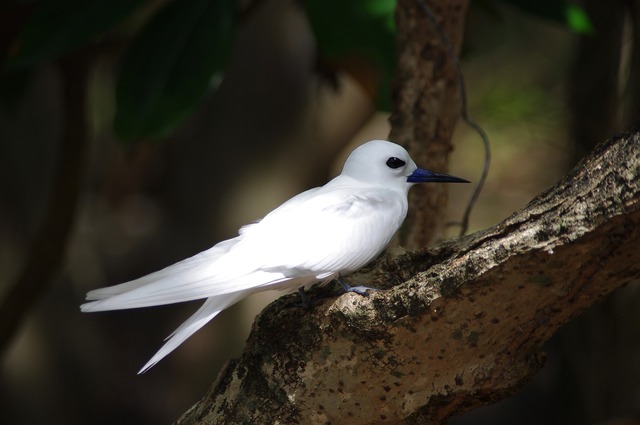
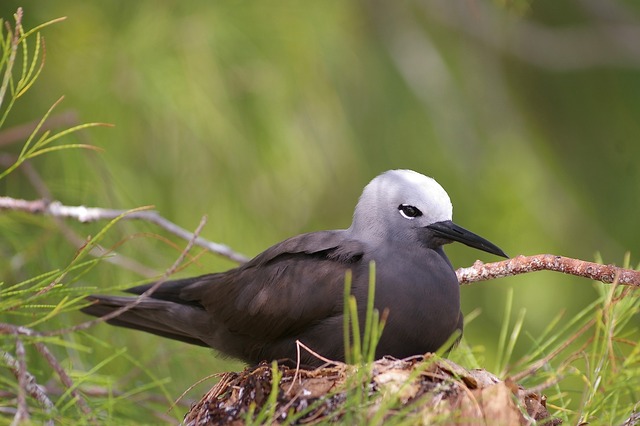
Some of my most wanted birds ever are easily seen here at their nesting areas. The absolute pure beauty of the White (Fairy) tern is just as close to perfectionism as you can come. The blue bill shows it´s an adult.
The amount of species is not so great but the splendor of them just makes the difference. Here a juvenile (lying in the nest) and flying adult of White-tailed Tropicbird. Lower down you see the beauty of the Lesser Noddy, which breeds in many hundreds on the island.
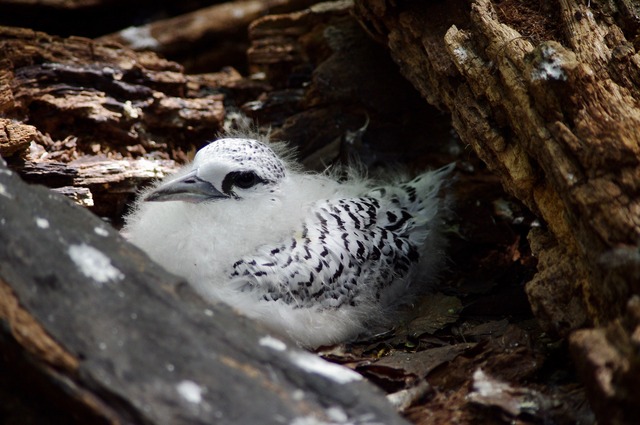
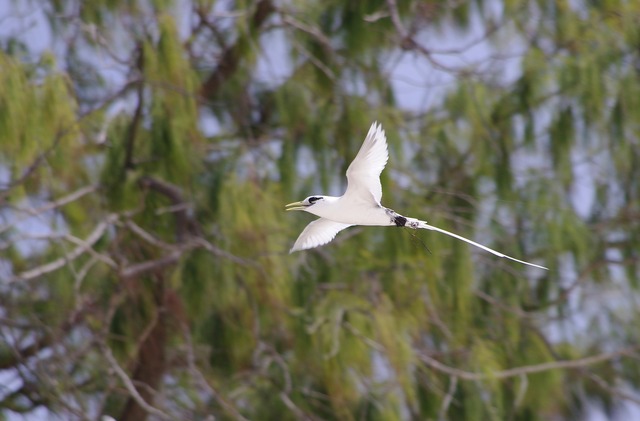
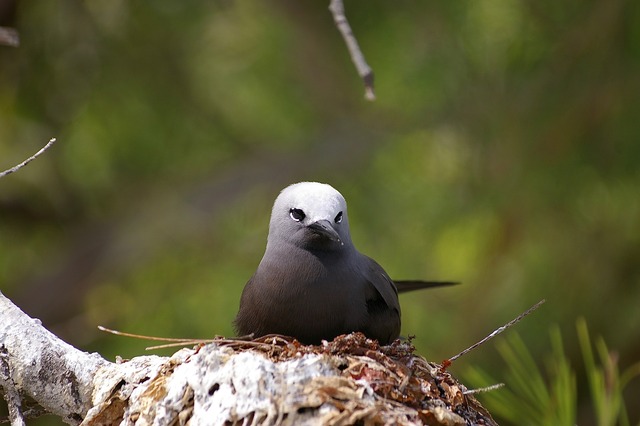
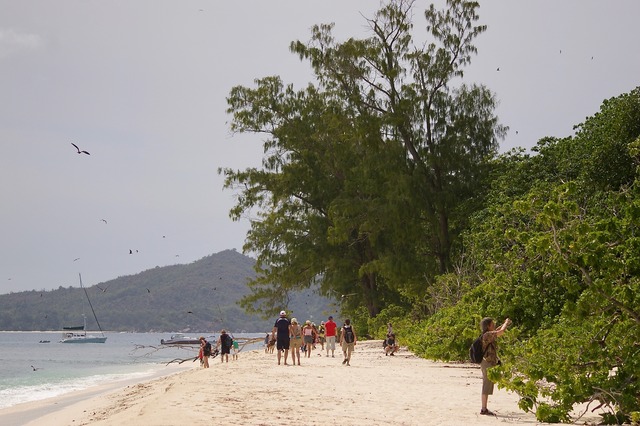
Here you see this awesome island and beach with many nodes and tropicbirds flying around.
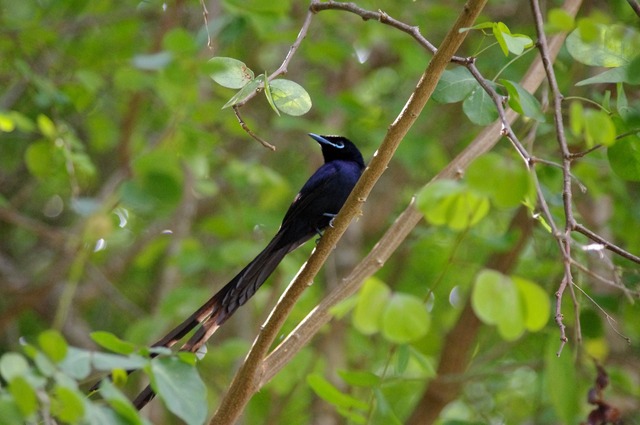
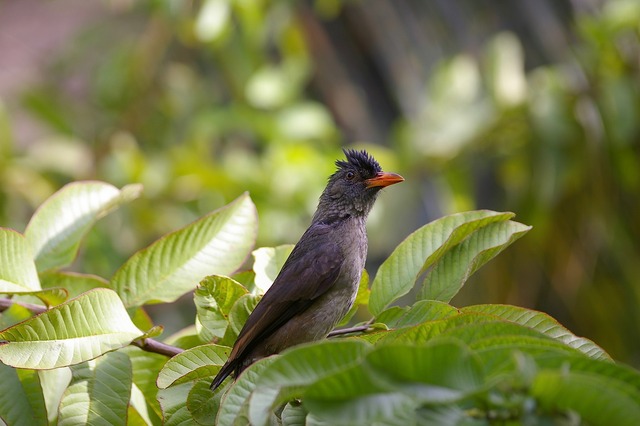
I felt a little bit unsure whether I should be lucky enough to see the fantastic, rare and very local Seychelles Black Paradise-flycatcher and I felt big relief when I saw 2 individuals directly when I arrived to the spot. I also saw the more common Seychelles Bulbul.
A reason for going here is of course to do some snorkeling. At some places the water was not very clear but at some good and you will see many different fishes and even sting-rays.
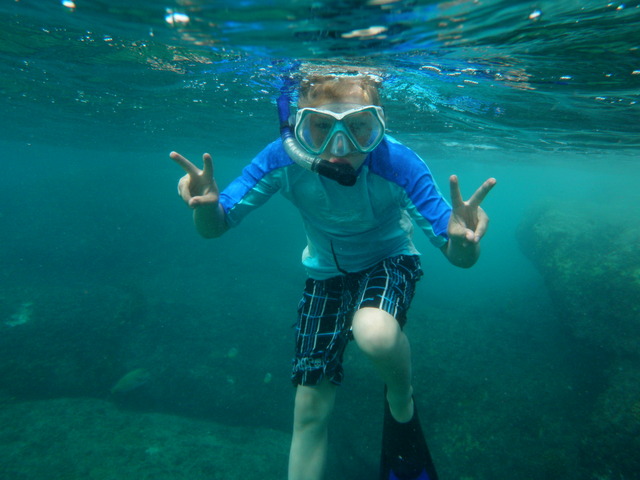
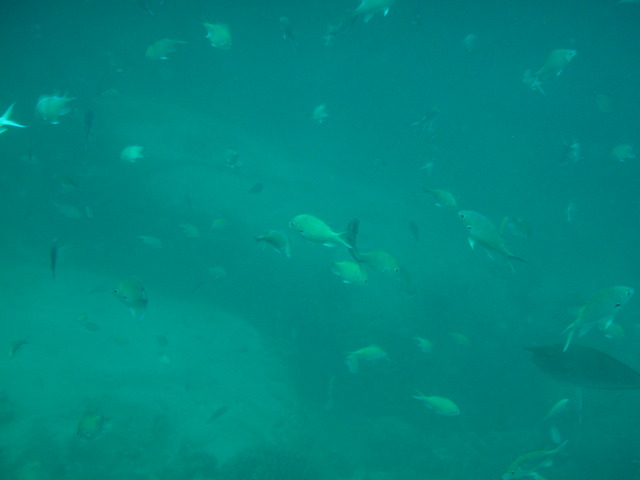
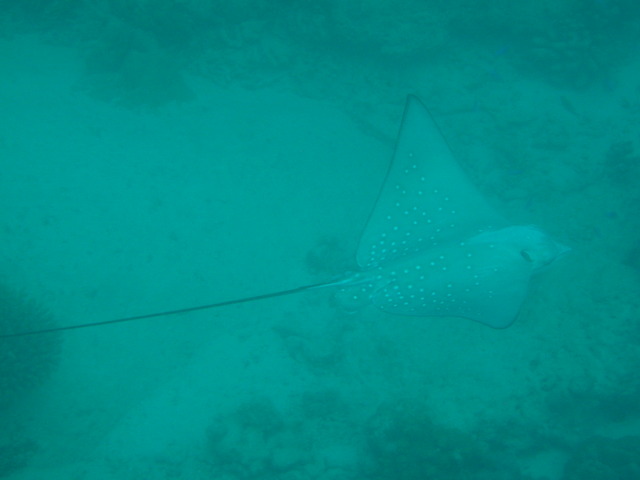
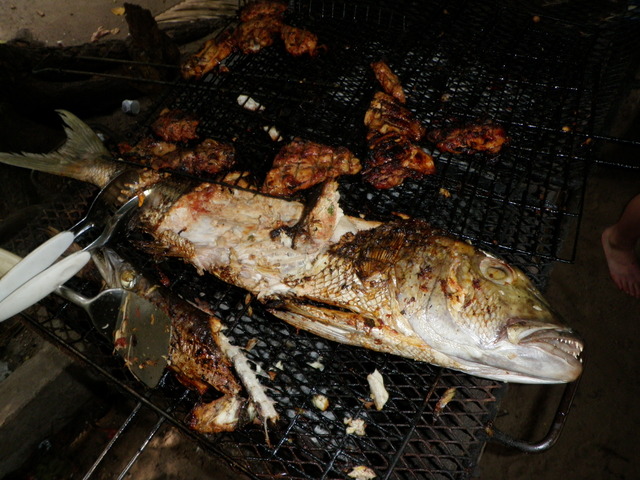
If you don´t like to swim in open water you can still see some fish, here at the barbecue.
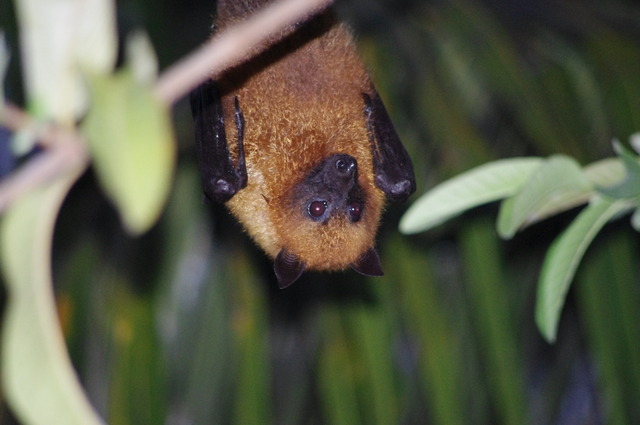
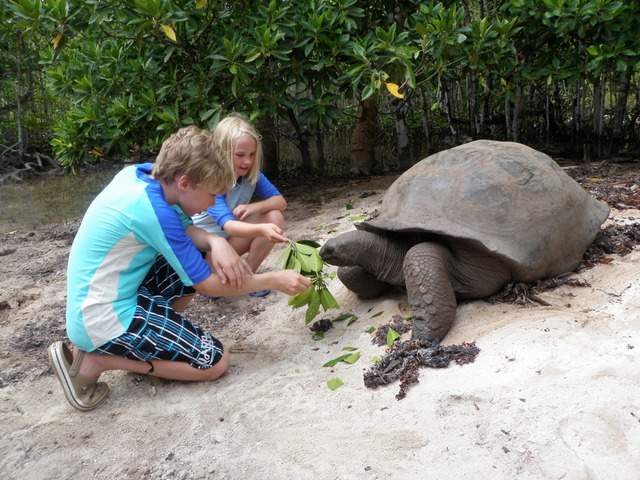
At our home at La Digue we had this cute Sechelles Flying Fox and on one beach we found this Aldabra Giant Turtle (easily seen at both Praslin and La Digue.
Birds on the Seychelles. Mahé=M, Praslin=P, La Digue=LD, Cousin=C and widespread=W.
- Wedge-tailed Shearwater. 1 close enough to tell.
- Tropical Shearwater. +10 close enough. +100 shearwater sp. far out.
- Cattle Egret. 3 (M)
- Grey Heron 2 (M)
- White-tailed Tropicbird. Quite common (W).
- Greater Frigatebird. 1(M) and 1 (LD)
- Seychelles Kestrel. One bird nicely perched in a tree. (M)
- Common Moorhen. 4 birds (P)
- Great Crested Tern. A few single birds on several days.
- Bridled Tern. About 20 nesting birds. (C)
- Brown Noddy. 4 pairs on Cousin.
- Lesser Noddy. +1000 birds on Cousin. Several during boat trips.
- Fairy Tern. A few throughout. Common on Cousin.
- Madagascar Turtle Dove. Common, uncertain *****
- Barred Ground Dove. Common (W)
- Seychelles Blue Pigeon. A few pairs on each island.
- Seychelles Black Parrot. 2 birds eventually perched in Valleé de Mai.
- Seychelles Swiftlet. About 10 birds in Valleé de Mai look-out point.
- Seychelles Bulbul. Quite common. (W)
- Seychelles Warbler. About 10 birds at Cousin. One in hand which was banded.
- Common Myna. Common (W)
- Seychelles Magpie Robin. A pair at Cousin.
- Seychelles Sunbird. Quite common. (W)
- Madagaskar Fody. Quite common (W)
- Seychelles Fody. + 50 at Cousin.
- Seychelles Turtle Dove. 3 birds on Cousin that ,were explained as “pure” birds.
Others.
- Hawksbill Turtle. 2 up close ebcounters while snorkeling at La Digue.
- Seychelles Fruit Bat. Several flying at dusk at La Digue. A few seen nicely perched at our lodging at La Digue
Kenya -11
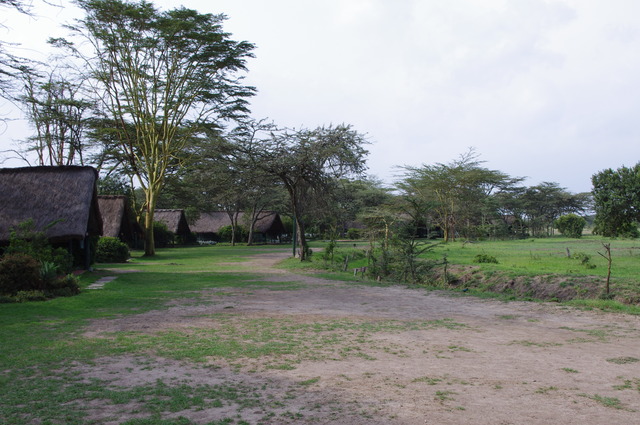
This was my first trip to East Africa (I´ve been to a couple of parks in South Africa) so I was thrilled to go for the game drives and also knowing we should be heading to the Seychelles directly after. I had made all the arrangements by my own to reduce the costs (you can save a lot of money). I chose a place called Sweetwaters Camp in the Ol Pejeta Conservation. It´s a 4 hour drive north and a little north west of Mount Kenya. To minimize travel I chose this alternative for 5 full days instead of driving from park to park. Of course you see less birds and even mammals but as my kids still were pretty small this was an excellent option. We had an excellent guide with lots of routine. Sweetwaters/ Ol Pejeta is a "big 5" area but we failed to see Leopard this time. Not many people were around which is worth a lot instead of being part of the caravans in the most popular parks. Here is also one of the few places where you are allowed to make night drives. It´s high standard and the food was just perfect and very good service. The tented bungalows stands just a few meters from where some of the wildlife are. Here you can see our tent as nr 2 and the only thing that separates the camp from the savanna is the small ditch and a tiny wire.
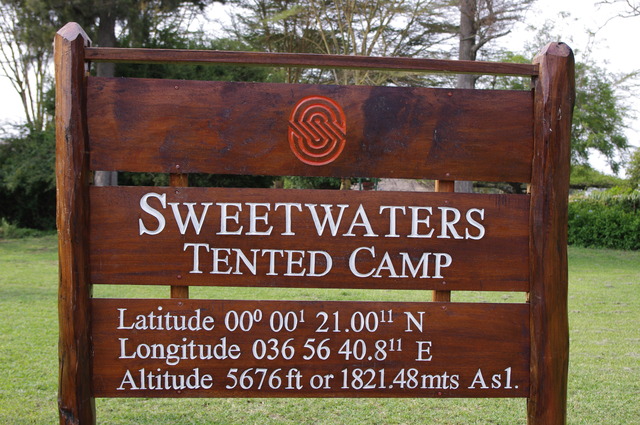
As you can see on this sign the camp is very close to the equator and if you want to have one foot on each side there is a place close by where you can do this.
Some wildlife is easily seen from the tent like this Reticulated Giraffe and this Yellow-billed Stork.
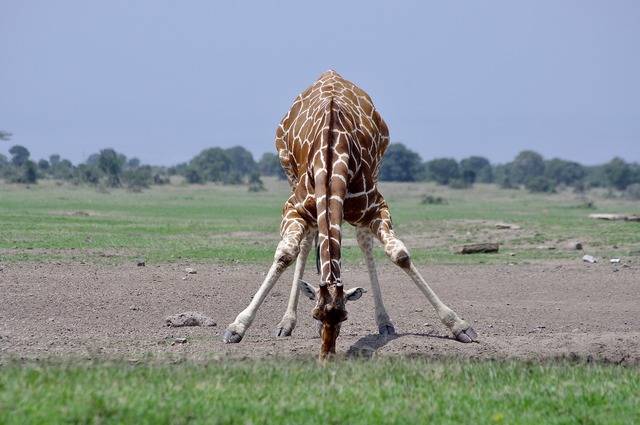
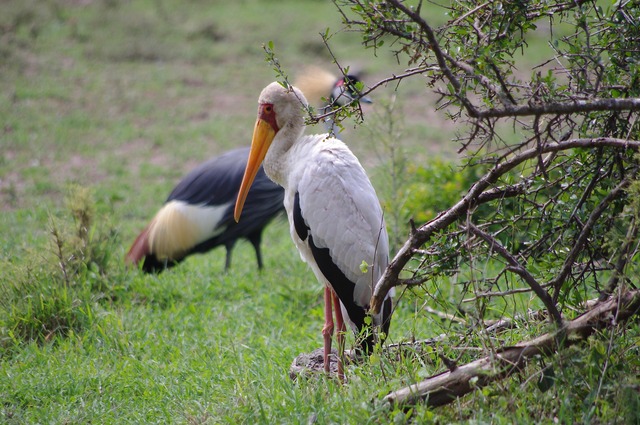
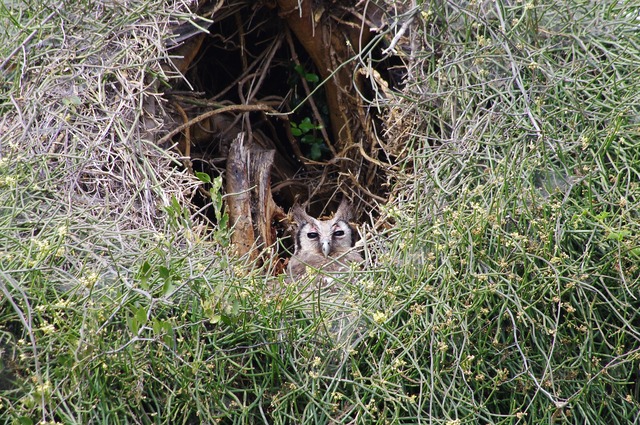
Staying at a camp like this has the advantage that you can stroll around and find many good birds just a few hundred meters from the tent. I saw many good birds inside this camp. A big surprise was this nesting Verraux ´s Eagle Owl.
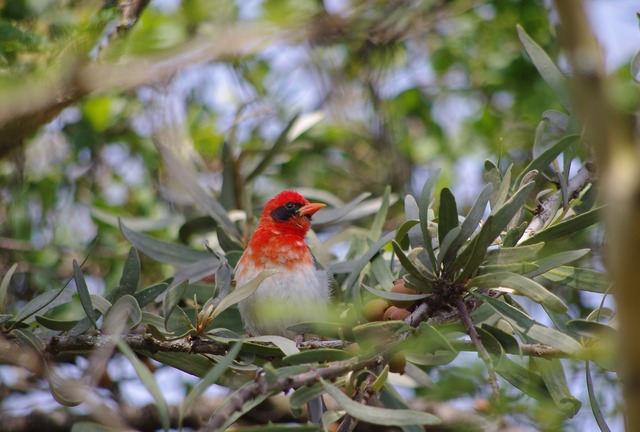
Others I saw quite frequent were: Red-headed Weaver, Nubian Woodpecker (fem), Laughing Dove and Crowned Hornbill.
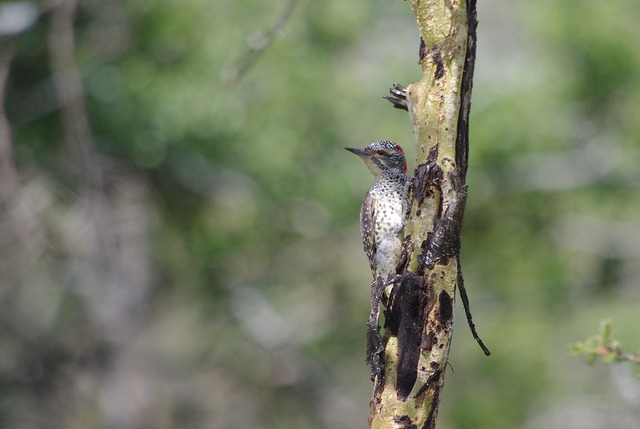
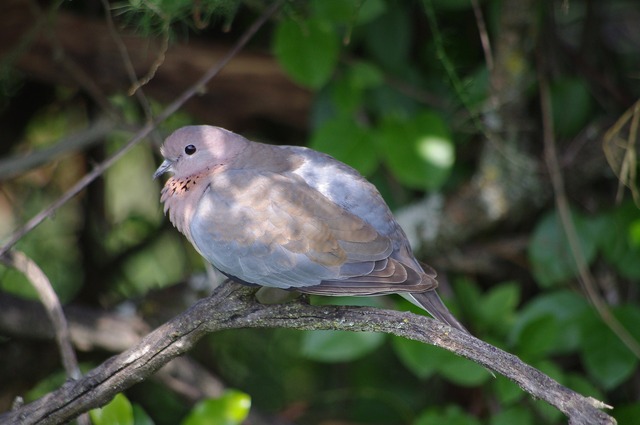
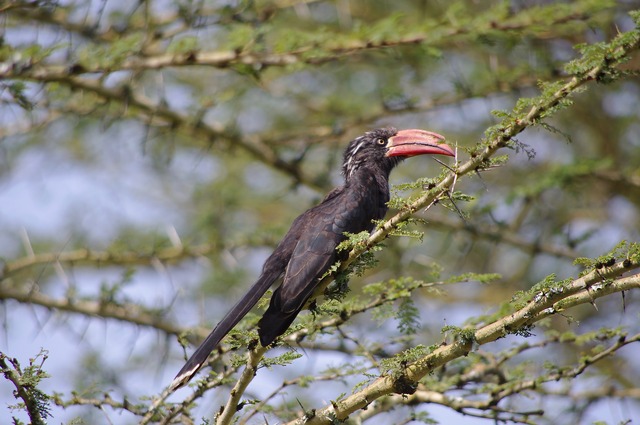
As mentioned before, food was excellent here and This Marabou Stork had realized the same thing as it tried to walk into the restaurant every day. My kids still talk about "Marre" who put his enormous bill in through the window. I Love nature and all its beaty but I´m not sure I can put this creature into this, just look at it!!
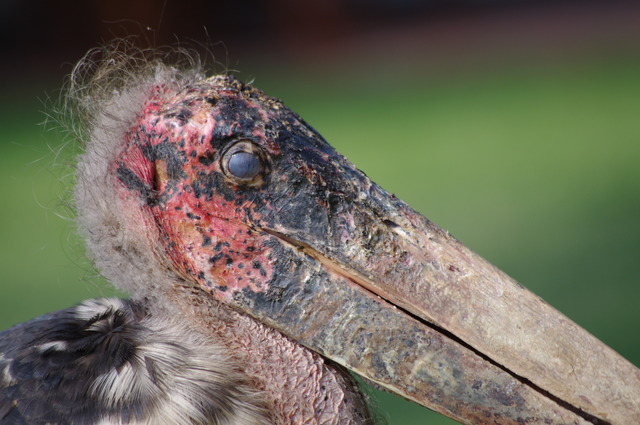
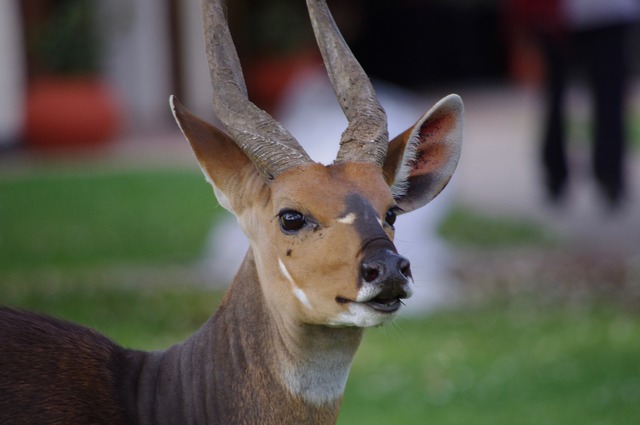
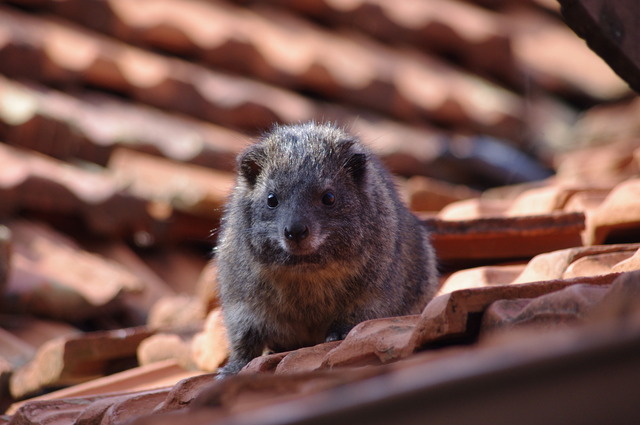
Other animals that tried to find food inside the camp were these two; a Bush Buck and a cute Rock Hyrax (Dassie).
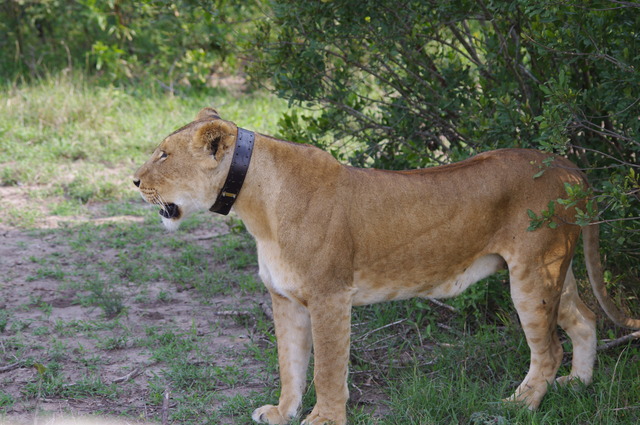
Game drives is of course the most obvious thing to do when you visit the parks and game drives. Here at Ol Pejeta there is a protection program for the Lions and several of them have radio transmitters attached to them. You can even pay for a half day "Lion tracking".
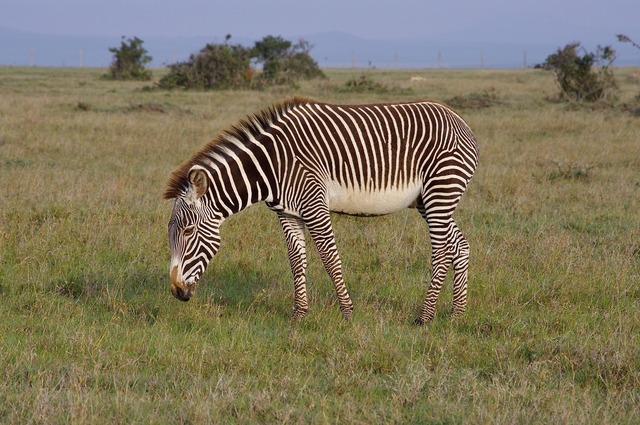
If you look at this zebra you can see it has a white belly. There are some other signs but this is the most obvious one to see the quite rare and local Gravy´s Zebra.
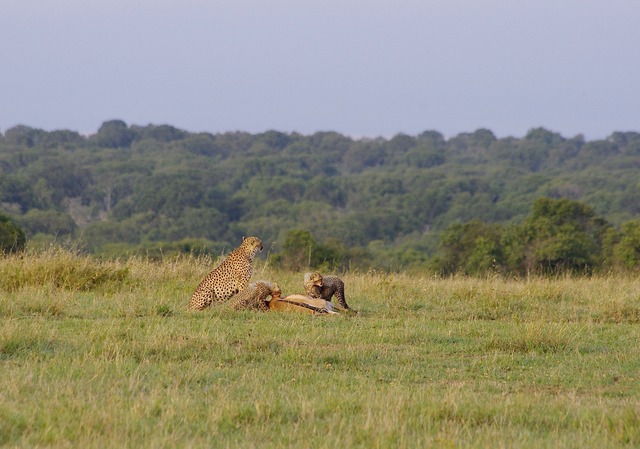
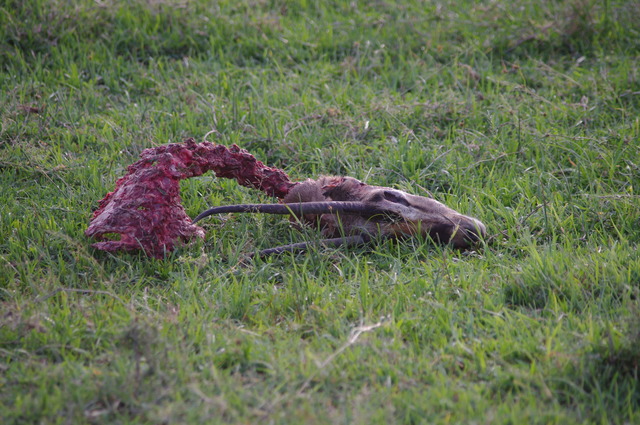
We were very lucky to see a Cheetah hunt in full speed and later we found the family having their lunch which was a sight never to be forgotten. Below what was left later in the day.
This reserve is also well known for its Rhinos. Both species are present and the park has the biggest population of Black Rhinos in all of East Africa. Here you can see a White Rhino resting.

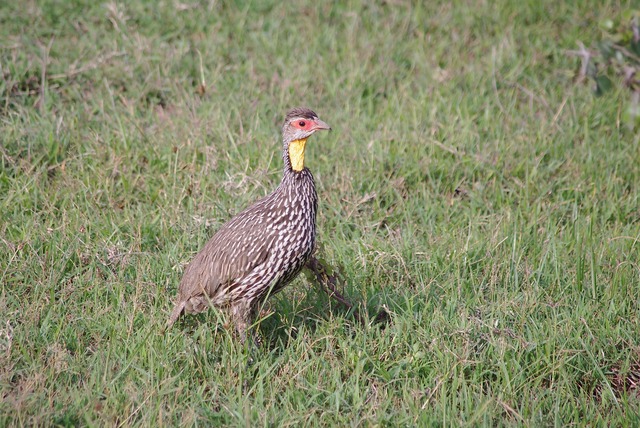
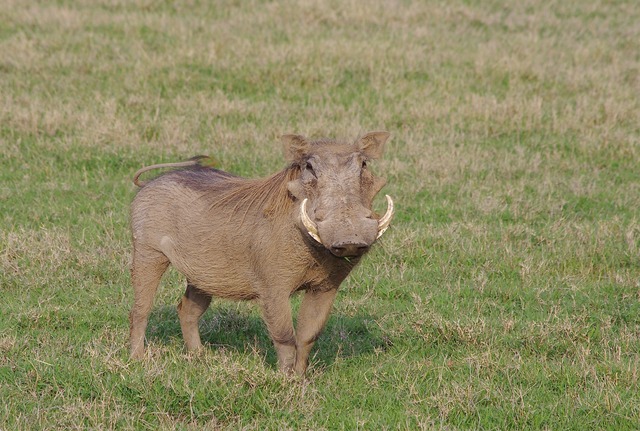
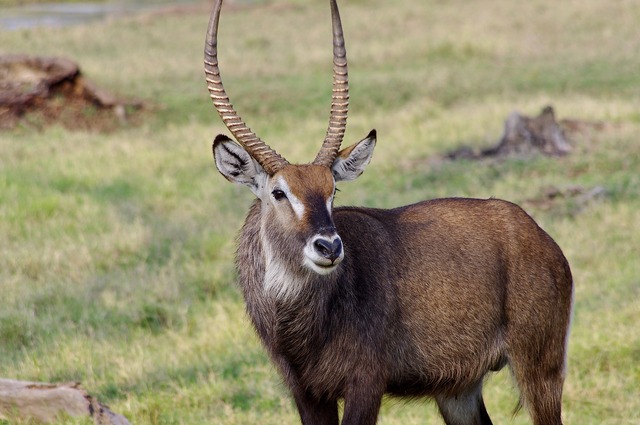
In this open savanna part of the reserve you will easily see both some common mammal as some common birds. Here a Yellow-throated Spurfowl, the cute Warthog (Pumba) and the powerful Waterbuck.
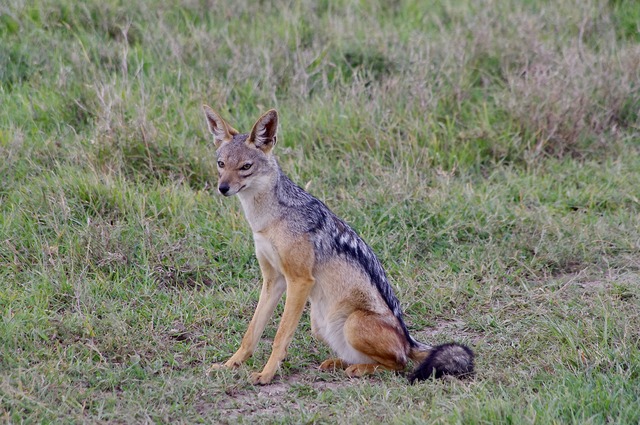
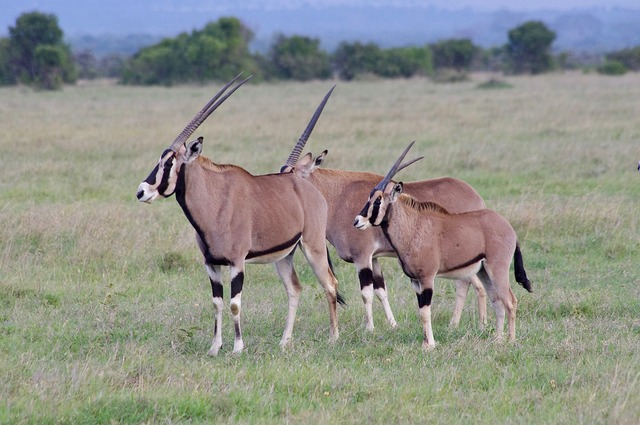
Also quite common in the park are Black-backed Jackal and the awesome Beisa Oryx.
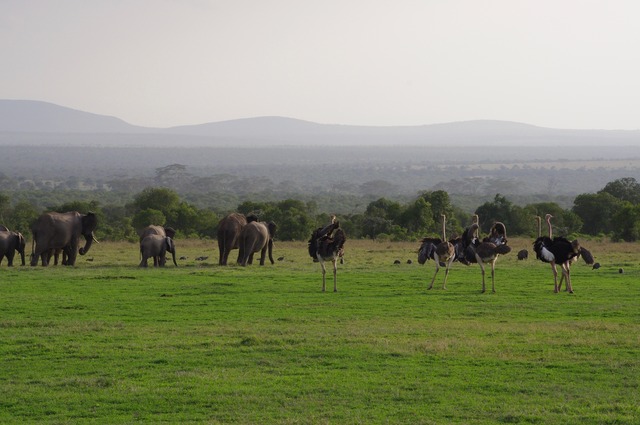
This region is also a "migration area" for Elephants and we saw several families. This classic photo also includes some Ostriches, Helmeted Guineafowls as well as a Warthog.
As Shore birds are one of my absolute favorite group of birds I was happy to see these 3 among many others, Blacksmith Plover, Three-banded Plover and the stunning Black-winged Lapwing.
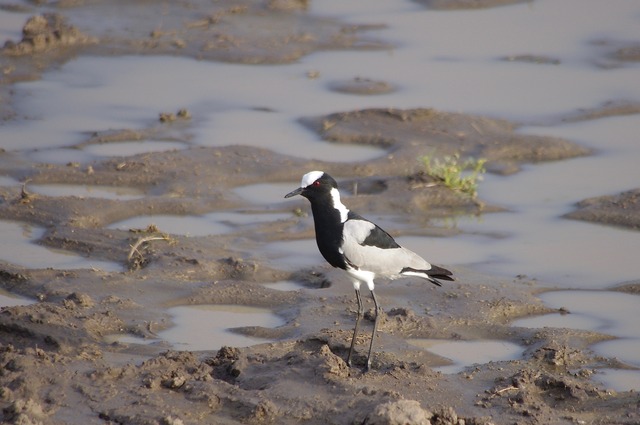
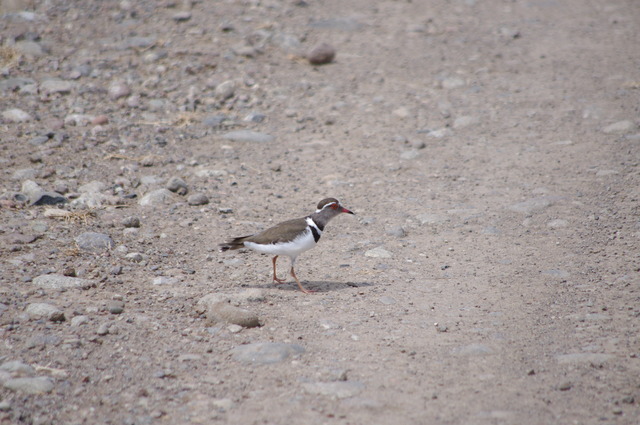
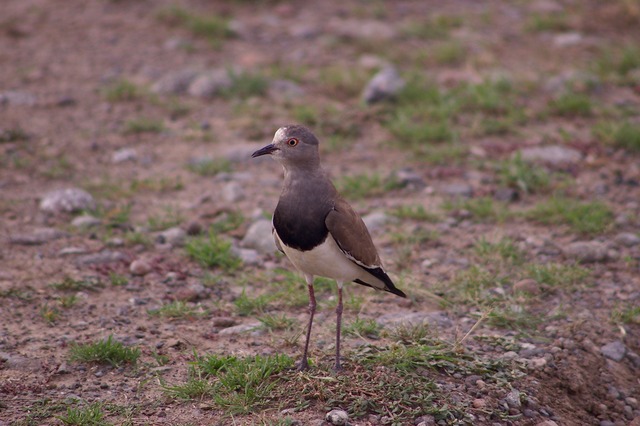
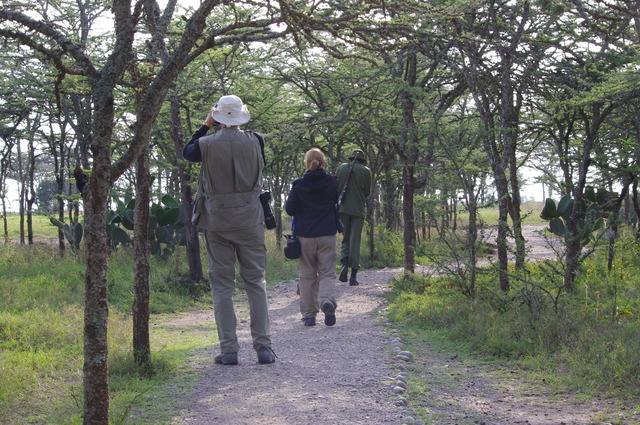
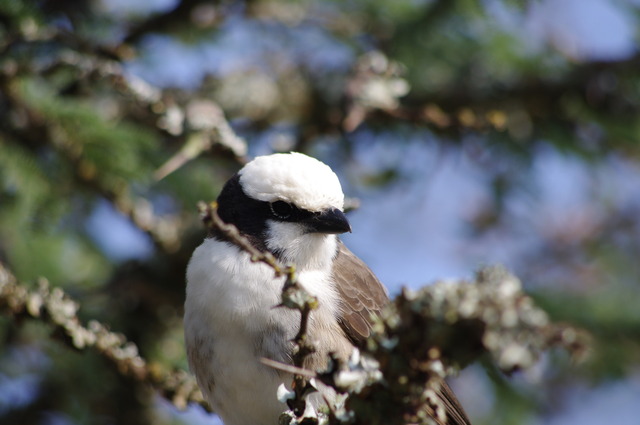
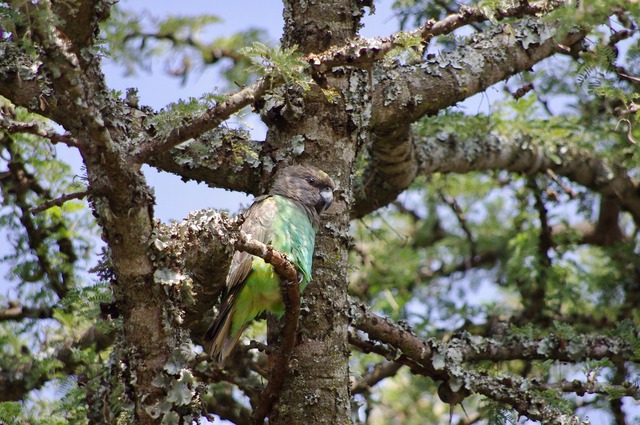
There are some wooden parts in the reserve in which you are allowed to walk as long as you have an armed guide with you. At this spot (first picture of me) I saw a flock of N. White-crowned Shrikes and Brown Parrot among many other birds.
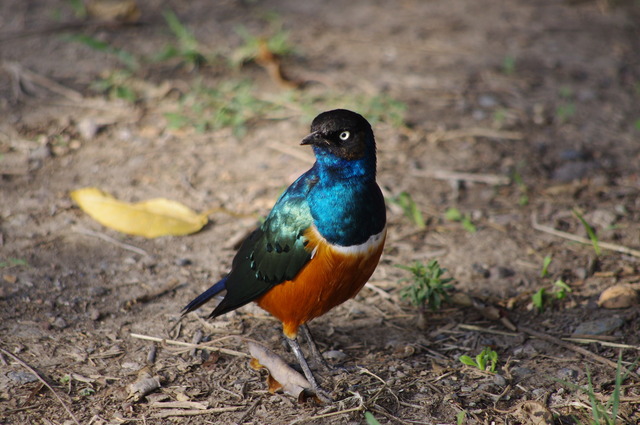
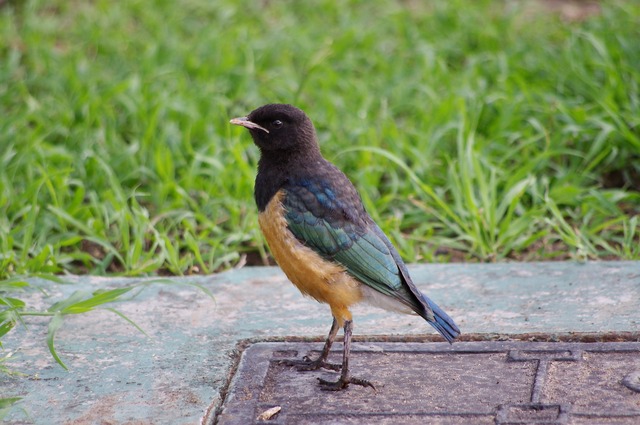
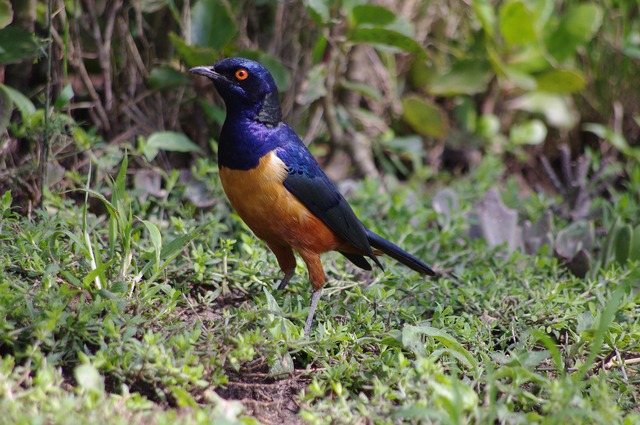
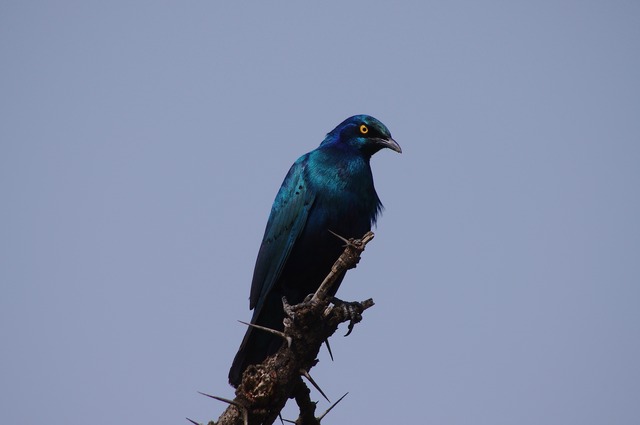
There are many different types of "Glossy" Starlings in this part of Africa and you need to be careful as some juvenile birds look a little bit different from the adults. At Sweetwaters both Superb and Hildebrandt ´s starlings are present. Here you can see an adult Superb Starling and below a juvenile. Next bird is Hildebrandt ´s and the last one is the shining Greater Blue-eared Starling.
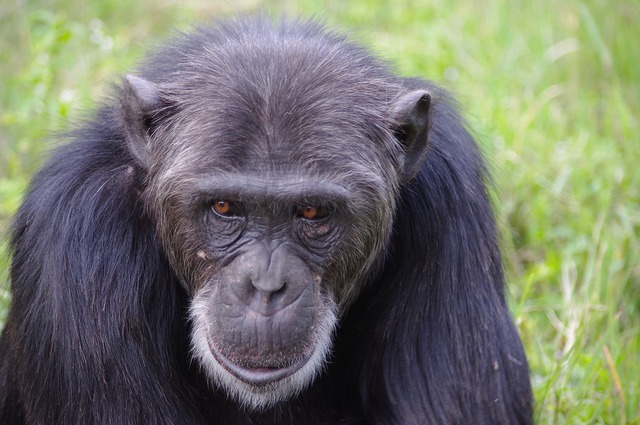
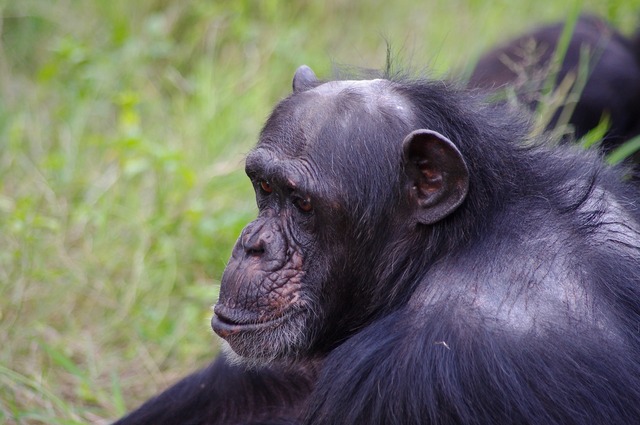
Sweetwaters is also famous for its sanctuary for Chimpanzees. These are not native in Kenya but have been saved from different parts of East Africa and are now living safely here. When looking at them it´s easy to both see and feel the resemblance to us humans. Every individual has its own typical look.
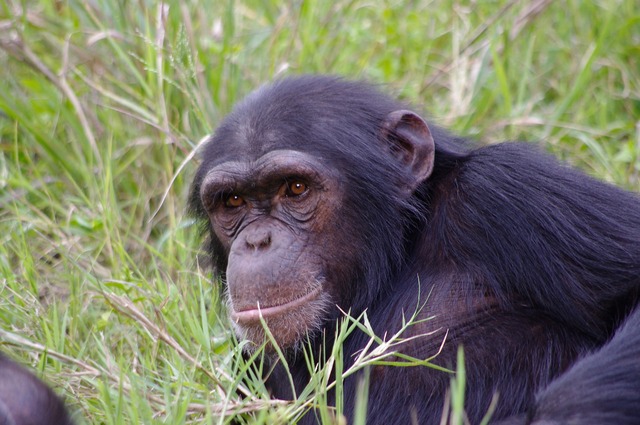
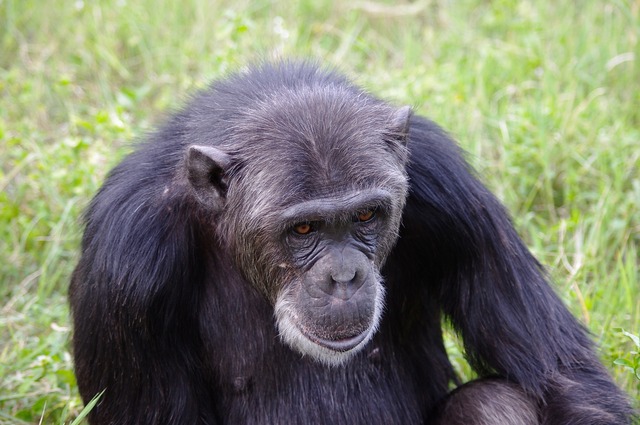
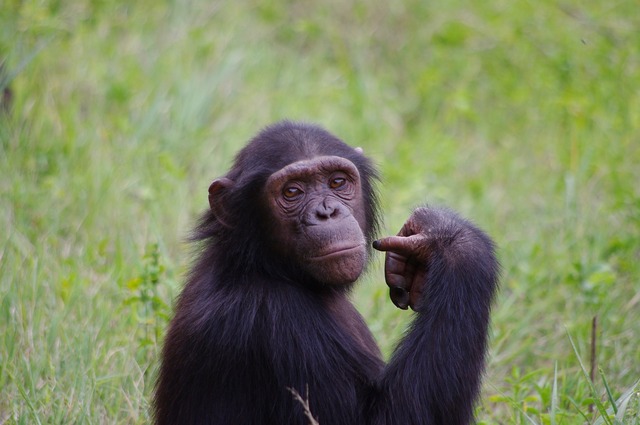
One afternoon we decided to visit a local school instead of doing the game drive. We felt that it is important to give your children other impressions than just the fantastic nature and wild life. They took care of us and the children sang for us. It was a good experience for all of us.


Our last day a Cheetah came up very close and also put itself in the grass for some rest just next to the car.
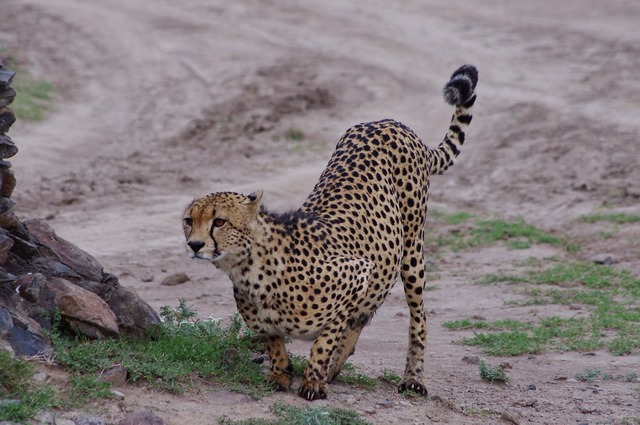
Full list of birds and mammals seen.
- Ostrich. Quite common.
- Cattle Egret. Quite common.
- Grey Heron. 4+2
- Black-headed Heron. 3
- Hammerkop. 2
- Yellw-billed Stork. +15
- Marabou Stork. +20. One individual was checking out the restaurant every day if something good was on meny.
- Sacred Ibis. A few.
- Hadada Ibis. 5
- African Spoonbill. 6-7
- Egyptian Goose. Common.
- Knob-billed Duck. 1 single bird in a pond.
- Red-billed Teal. Only one pair seen.
- Yellow-billed Duck. +10
- Black Kite. Only one bird.
- Black-shouldered Kite. 3-4
- African Fish Eagle. 1 single bird.
- Af. White-backed Vulture. 1 single bird.
- Eastern Chanting Gooshawk. 1 bird.
- Gabar Gooshawk. Just one bird.
- Shikra. The same as above.
- Af. Harrier Hawk. 2 birds.
- Tawny Eagle. +10 birds.
- Bateleur. One bird only.
- Helmeted Guinea Fowl. Very common.
- Coqui Francolin. A pair seen one morning.
- Crested Francolin. Same as above.
- Yellow-necked Spurfowl. Common.
- Grey-crowned Crane. A small family right outside our tent.
- Kori Bustard. About 6-7 birds.
- White-bellied Bustard. Aprox. 10 birds.
- Black-bellied Bustard. One pair.
- Blacksmith Plover. Quite common.
- Crowned Lapwing. Common.
- Black-winged Lapwing. 8-10 birds.
- Senegal Lapwing. I wasn´t sure I would see this species this far north but fortunately there was a group of four at one place. Resembles the Black-winged.
- Three-banded Plover. Single birds spread out. Totally about 6-7.
- Speckled Pigeon. Common.
- Ring-necked Dove. 4 of them.
- Red-eyed Dove. +10.
- Af. Mourning Dove. A few.
- Laughing Dove. 4-5
- Brown Parrot. +20
- White-bellied Go-away Bird. 3-4 of them.
- Klaa´s Cuckoo. One single bird.
- White-browed Coucal. 2 separate birds.
- Verraux´s Eagle-owl. One at nest inside the camp.
- Square-tailed Nightjar. Several heard every evening after dark.
- Little Swift. +15
- White-rumped Swift. 2 birds.
- Nyansa Swift. 5-6 birds.
- Speckled Mousebird. Quite common.
- Striped Kingfisher. 2 separate birds.
- Malachite Kingfisher. One single bird.
- Little Bee-eater. Only one single bird.
- Lilac-breasted Roller. A few throughout.
- Green Wood-hopoe. 3 birds together.
- Crowned Hornbill. 2 pairs inside the camp.
- Red-fronted Barbet. Just one single bird.
- D´Arnaud´s barbet. 3 birds in a bush.
- Lesser Honeyguide. One bird close up.
- Nubian Woodpecker. 3 birds in total.
- Cardinal Woodpecker. A pair inside the camp.
- Grey Woodpecker. One single bird.
- Rufous-naped Lark. 3 of them on the plain.
- Red-capped Lark. A few more of these.
- Red-winged Lark. One single bird with some red-capped.
- Red-rumped Swallow. A company of 5.
- Mosque Swallow. A company of 4.
- Lesser-striped Swallow. 1 single bird.
- Ethiopian Swallow. Common.
- Wire-tailed Swallow. 4 of them.
- Rock Martin. A family of 50 birds.
- Af. Pied Wagtail. Quite common.
- Grassland Pipit. Quite common on the plain.
- Plain-backed Pipit. As its relative.
- Black Cuckoo-shrike. 3 birds at the camp.
- Common Dodsons Bulbul. +10 birds.
- White-browed Robin-chat. A pair entertained at the camp.
- N. Anteater-chat. One single pair.
- Red-faced Crombec. Just one bird.
- Rattling Cisticola. A few pairs.
- Tawny-flanked Prinia. 8 in total.
- Grey-backed Camaroptera. One single bird at the camp.
- Yellow-breasted Apalis. 2-3 birds most days.
- White-eyed Slaty Flycatcher. 2 birds separate each other.
- S. Black Flycatcher. One single bird at the camp
- Af. Grey Flycatcher. A few birds spread out.
- Chin-spot Batis. 2 pairs at the camp.
- Rufous Chatterer. A family of 8-10 at the camp.
- Black-lored Babbler. + 10 birds.
- Bronze Sunbird. 1 or 2 pairs at the camp.
- Amethyst Sunbird. One pair at the camp.
- Variable Sunbird. One pair.
- Common Fiscal. Quite common.
- Slate-cloured Boubou. 2 pairs seen at separate spots.
- Brubru. 2 pairs at the camp.
- N. White-crowned Shrike. A few flocks of this elegant bird.
- Fork-tailed Drongo. Quite common.
- Pied Crow. A few seen easily.
- Af. Black-headed Oriole. 1-2 pairs at the camp.
- Yellow-billed Oxpecker. About 10 birds seen on some antelopes.
- Red-billed Oxpecker. A few more.
- Greater Blue-eared Starling. 2 pairs around the camp.
- Ruppel´s Long-tailed Starling. One pair on game drive.
- Violet-backed Starling 2-3 bird at the camp.
- Superb Starling. Common.
- Hildebrand´s Starling. One pair at the camp.
- Wattled Starling. +20 throughout.
- Rufous Sparrow. Quite common.
- Yellow-spotted Petronia. 2 single birds.
- White-browed Sparrow-weaver. Quite common.
- Grey-capped Social Weaver. A flock of 10 at game drive.
- Spectacled Weaver. Only 2 single birds.
- Baglafecht Weaver. 4 birds seen at the camp.
- Speke´s Weaver. One pair near the camp.
- Red-headed Weaver. 3-4 birds at the camp.
- Long-tailed Widowbird. One single male in breeding plumage at a game drive.
- Red-cheeked Cordonbleu. A few pairs around.
- Purple Grenadier. One bird at the camp and one at the school.
- Yellow-fronted Canary. One pair at a game drive.
- White-bellied Canary. 2 pairs.
- Yellow-rumped Seedeater. A few birds spread out.
- Streaky Seedeater. A few single birds.
Mammals at Sweewaters.
- Elephant. 20-30 animals (2 families?)
- Af. Buffalo. Common.
- White Rhino. One pair.
- Black Rhino. A few pairs seen.
- Vervet Monkey. Only 3 individuals seen.
- Baboon. Common.
- (Chimpanzee). About 20 individuals inside its own conservancy.
- Warthog. Common.
- Reticulated Giraffe. Common.
- Lion. 1 female with radio transmitter, 1 female with 2 cubs and 2 single males.
- Cheetah. One hunting mother in full speed, later with its 2 cubs feeding. One single very close and one individual during night drive.
- Af. Civet. One at a distance during night drive.
- Spotted Hyena. A pair close to “home”.
- Silver-backed Jackal. About 10 animals seen.
- White-tailed Mongoose. 4 individuals near the camp.
- Zebra. Common.
- Grevy´s Zebra. 4 individuals.
- Eland. 2-3 individuals.
- Bushbuck. Only one male seen.
- Grant´s Gazelle. Not common, only 5-6 seen.
- Thomson´s Gazelle. Common.
- Impala. Common.
- Waterbuck. Quite common.
- Oryx. About 10 animals of this stunner.
- Jackson´s Hartbeest. 8-10 individuals.
- Tree Hyrax. One individual on the roof to the restaurant.
- Hare. Quite common.
United Arab Emirates 12 & 14
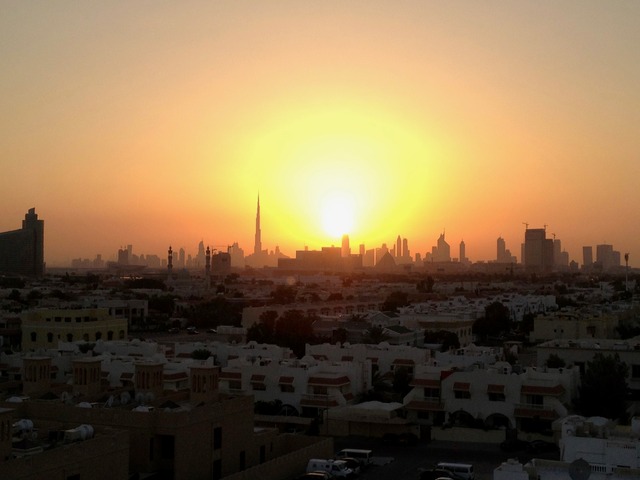
This blog gives you an idea of what to expect if you travel to this small but very friendly and diverse country. The cities of Dubai and Abu Dhabi are ultra modern and give people lots of opportunities of shopping, entertainment and the tallest building in the world, the 830 meters high Burj Al Khalifa which can be seen on the picture below. This country is also very beautiful and the beaches and desert areas are just great (which I think not many visitors have realized). I´ve been here twice, 2012 and 2014 and seen both cities but also traveled outside these to the city of Al Ain, the mountain at Jabel Hafeet and to the very beautiful desert around Liwa. Liwa is actually the easiest place on earth to visit great (red) sand dunes. A few nights we stayed close to Dubai airport and the views from the hotel roof was very impressive.
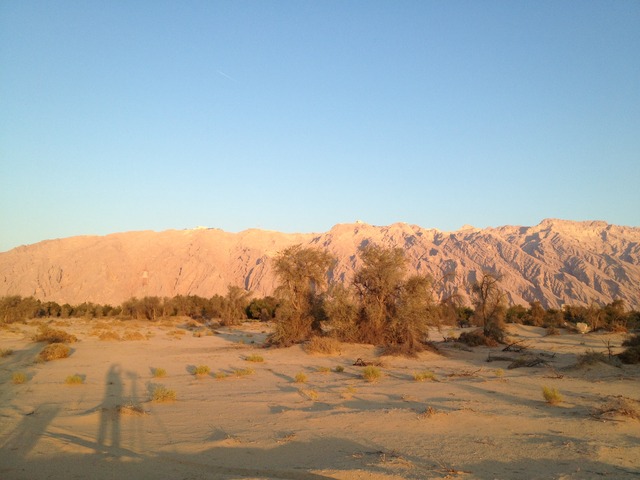
When we drove out to Al Ain and stayed at a hotel at the top of Jabel Hafeet and the vistas from here were also beautiful but in an other way. Here you can see the border to Oman on the left and my birding area here to the right.
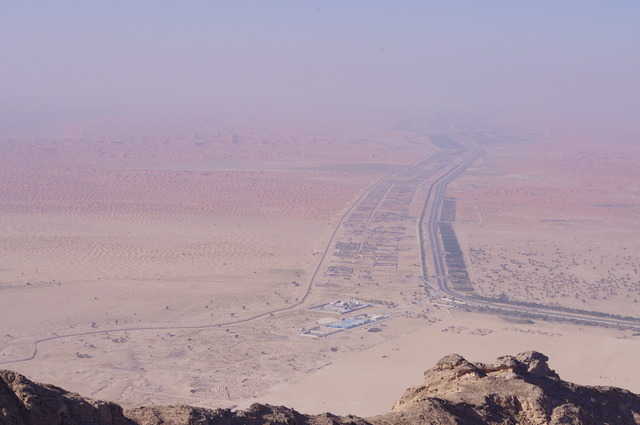
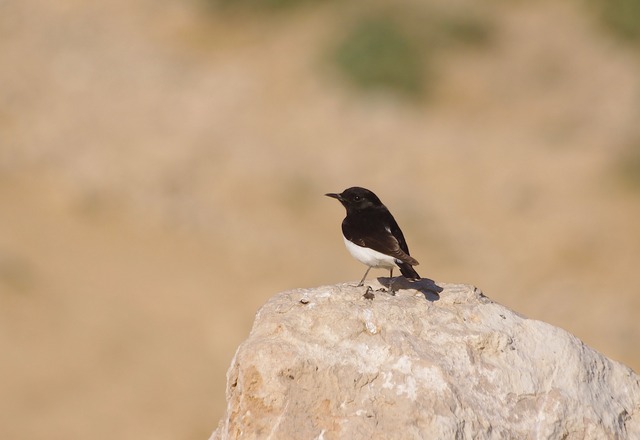
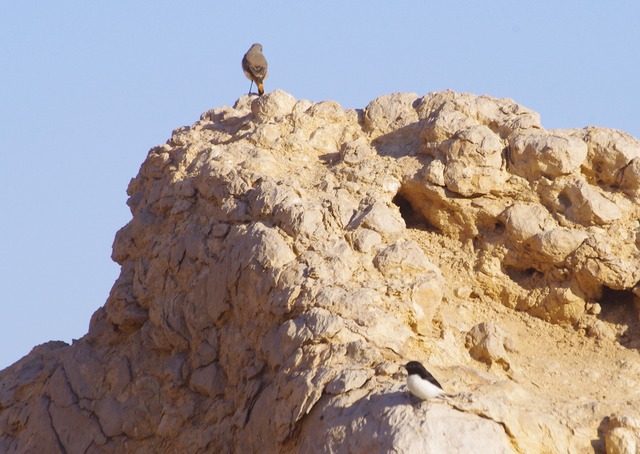
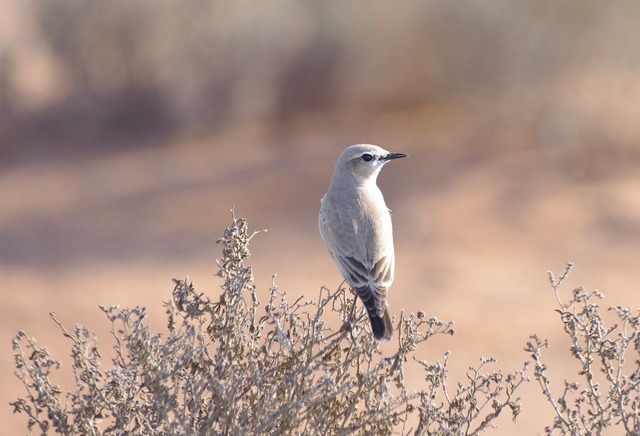
In this desert like habitat I saw the very much sought after Desert Warbler and some Wheatears. A little bit to the right at the photo above is the very good birding area of Green Mubazzarah. Here they have made a garden like recreation area which attracts lots of birds. Here I saw 3 different species of Wheatears. This male of Hume´s Wheatear and also the picture with the same bird together with a Red-tailed Wheatear.
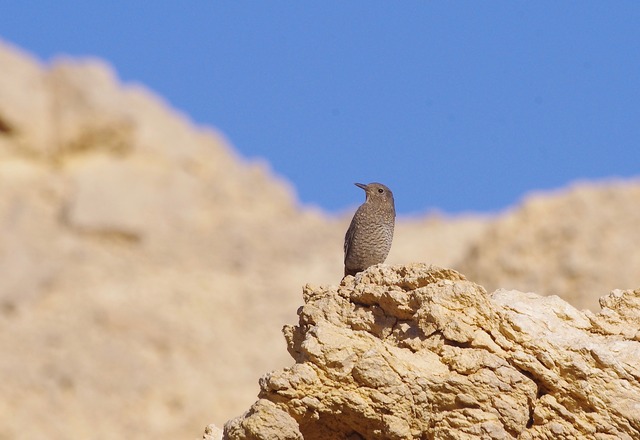
Also reliable here is the Blue Rock Thrush, here a (brown) female.
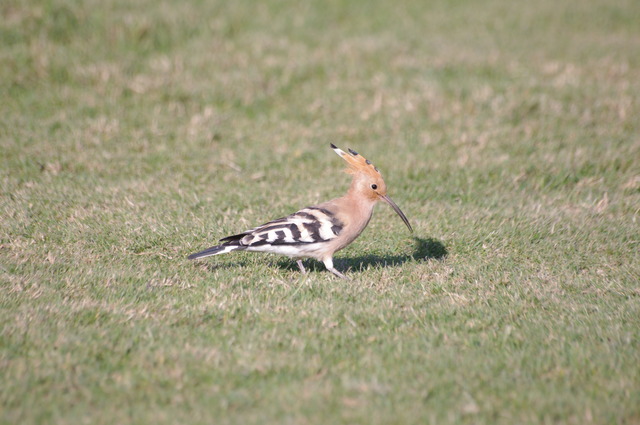
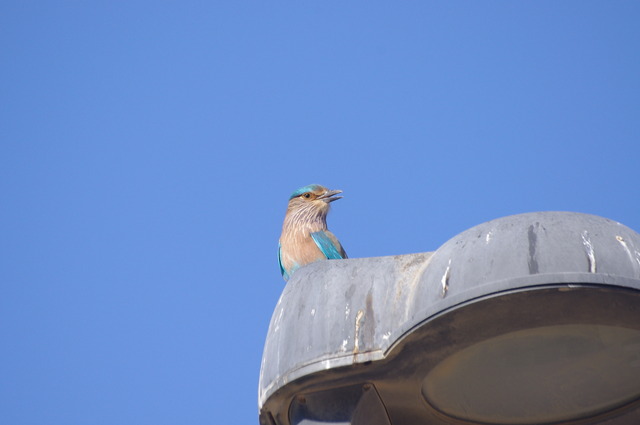
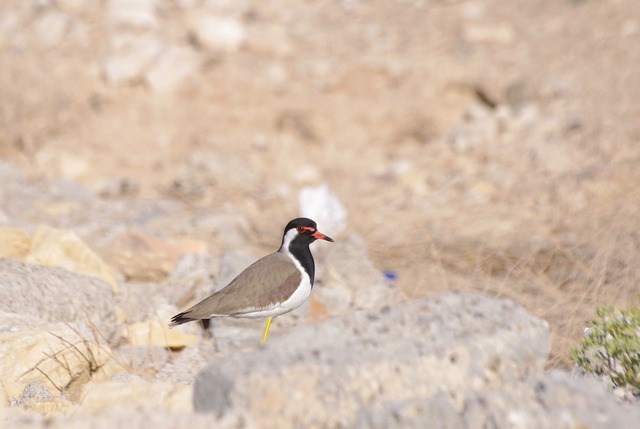
Where the grass was plentiful you will easily see birds like Hoopoe, Indian Roller and the Red-wattled Lapwing.
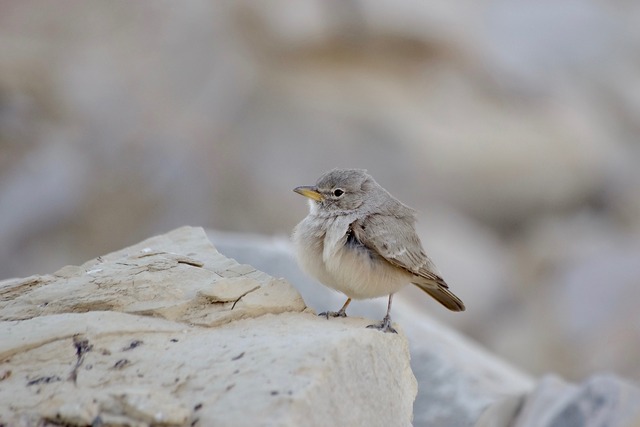
At the stony slopes I found a family of Desert Larks which has a good look despite it lacks colors.
This is how it looks from the other side.
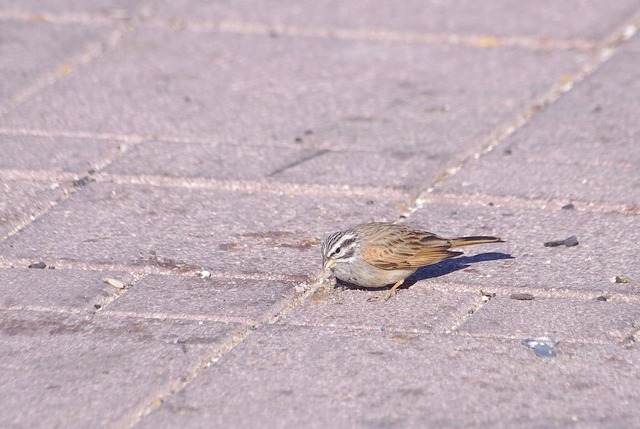
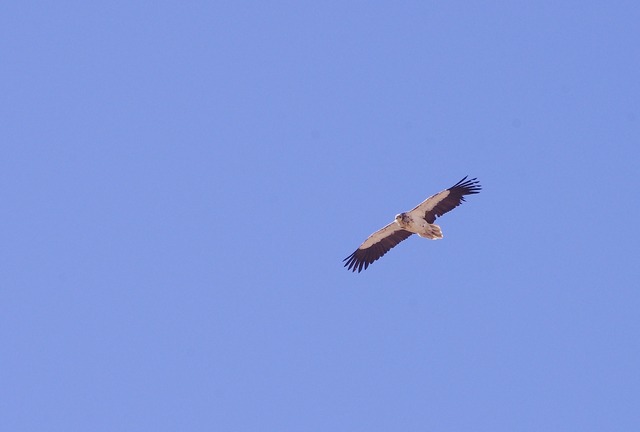
If you continue to the "top" of Jabel Hafeet you will come to a big parking area with a restaurant. Here is a good spot to see the Striolated Bunting as well as the Egyptian Vulture if you look up instead of on the ground.
As I´m also an avid golfer I often try to visit some courses during my trips. Actually you sometimes see birds at the golf courses that might be quite difficult to see elsewhere. Here you can see Greater Flamingos, Socotra Cormorant, Egyptian Goose and Common Sandpiper which were easily seen at the famous Abu Dhabi Golf Course.
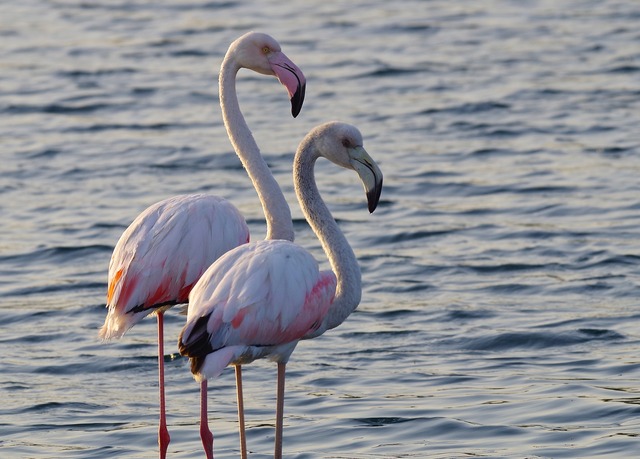
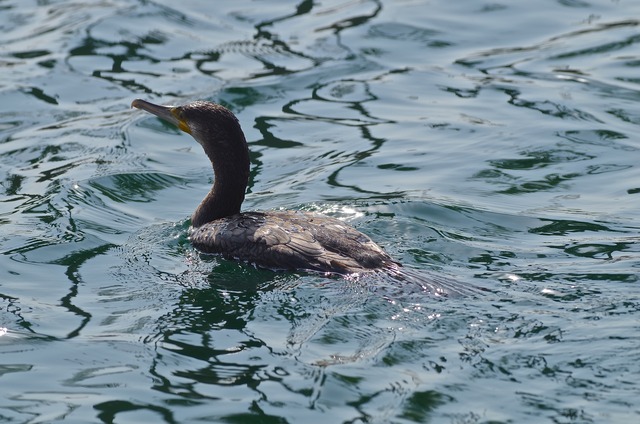
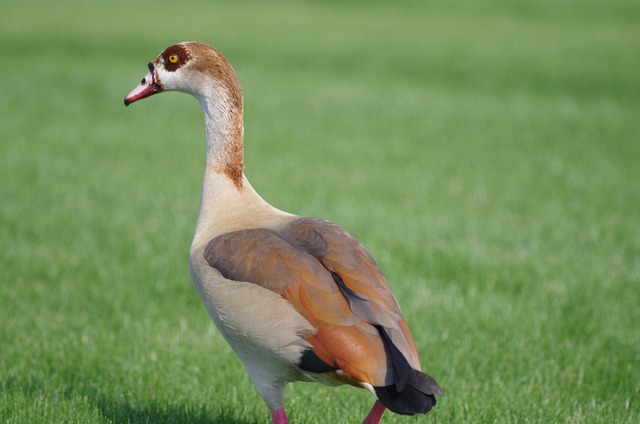
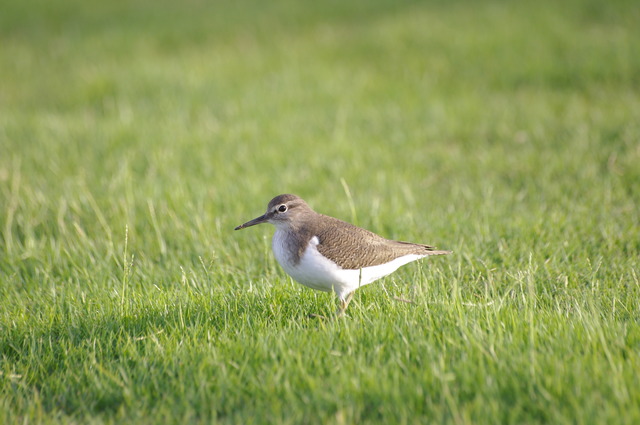
At the golf course at Al Ain I had to jump out of the buggy and take a photo of this "classic beauty" Isabelle Wheatear.
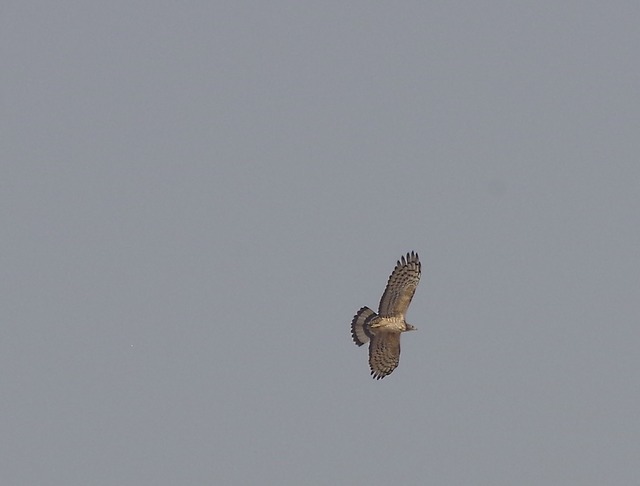
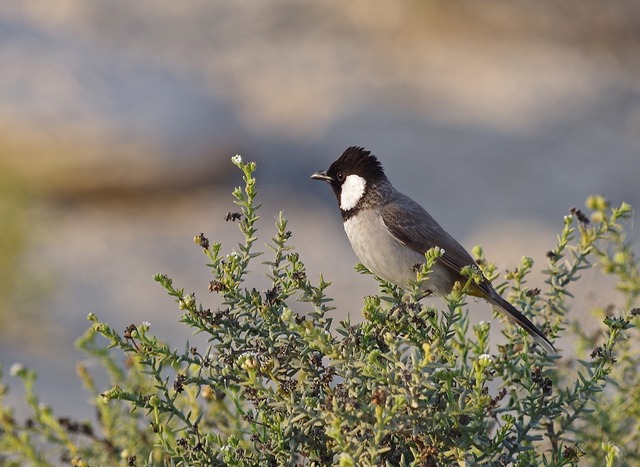
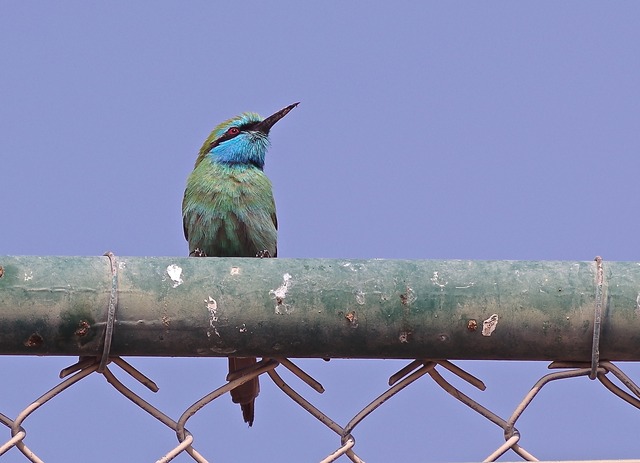
In Abu Dhabi I had a good and unusual experience. I played some golf at the "sand course" Al Ghazal, which is close to the airport and here I again saw some very nice birds like this quite difficult Crested Honey Buzzard as well as the common White-eared Bulbul and the awesome Green Bee-eater.
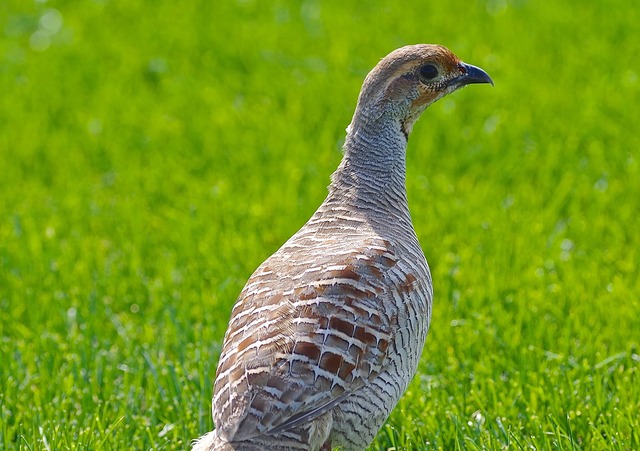
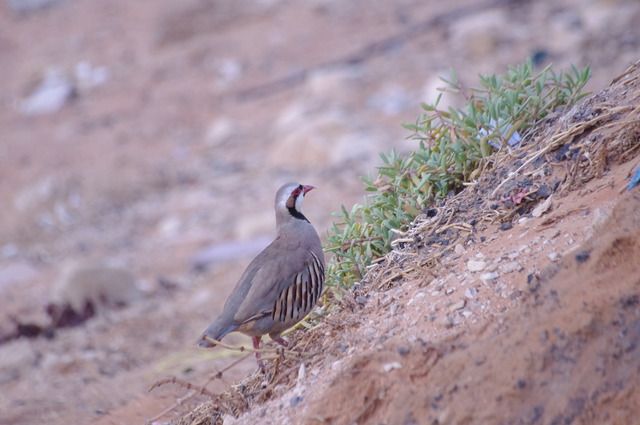
Easily seen in some parks was this Grey Francolin as well as the abundant Chukar Partridge.
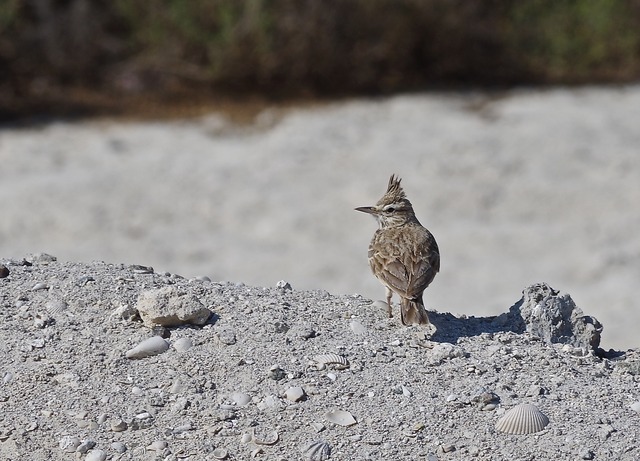
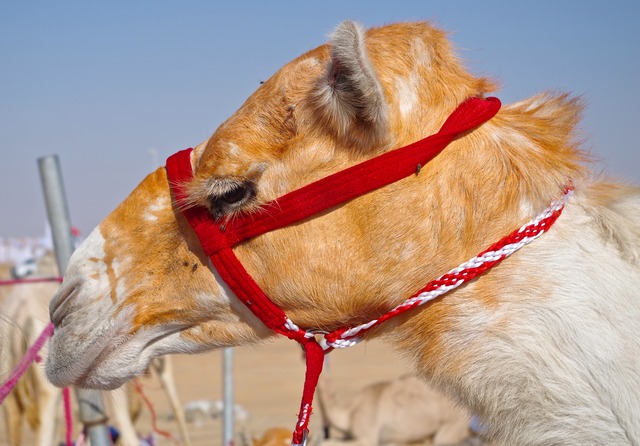
As I drove into the more sandy and desert-like habitats I saw many Crested Larks as well as as this cute Camel at a local festival.
If you are interested in nature at all, make sure you take some routes outside the famous city areas and experience some nice views like this sand dunes close to Lisa Desert.
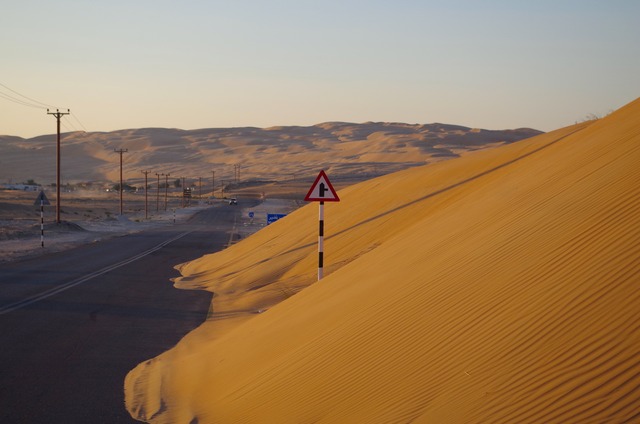
A country of many images, go there if you can!
Birds seen on both trips.
Birds
- Egyptian Goose . Quitecommon at Abu Dhabi golf course.
- Mallard. Quite common
- Northern Shoveler. 3 at Al Ain golf course.
- Green-winged Teal. & at Al Ain golf course.
- Chukar. 3 birds in the surroundings of Mercure hotel.
- Gray Francolin. 1 bird only at Ras al Khaimah golf club.
- San Partridge. Common at golf courses, Green Mubazzarah and gardens.
- Little Grebe. 3 birds Al ain golf club and 4 at Abu Dhabi GC.
- Greater Flamingo. Several hundreds seen along the coast but also seen at Abu Dhabi GC.
- Seen both at the coast in smaller numbers but also at some golf courses.
- Grey Heron. Not uncommon.
- Little Egret. A few single birds seen at some golf courses.
- Western reef Heron. Not uncommon along the coast.
- Cattle Egret. 5 at Al Ain golf club.
- Striated Heron. One bird at the harbor of Abu Dhabi.
- Black-crowned Night Heron. 4 birds at Al Ain golf course.
- Sacred Ibis. One single bird at one of the shores I stoped at.
- Egyptian Vulture. 2-3 birds seen at the top of Hafeet Mountain.
- Oriental Honey Buzzard. I was lucky to see one bird well at Al Ghazal golf club when it came soaring low over me.
- Steppe Eagle. 2 birds. One at Al Ghaxal golf course and one at Al Wathba water treatment.
- Eurasian March-Harrier. One close to Ras al Khaimah and one at Abu Dhabi GC.
- Sparrowhawk. Just one seen Ras al Khaimah.
- Eu. Moorhen. A few in ponds at golfcourses.
- Eu. Coot. Same as above.
- Red-wattled Lapwing. Common at golf courses. Also at Green Mubazzarah.
- Black-bellied Plover. +10 along the shores.
- Pacific Golden-Plover. A flock of 15 next to Al Ghazal Golg course.
- Lesser Sand-plover. Common along the shores.
- Greater Sand-plover. Just a few identified. Probably common as I saw thousands of plovers at a far distance.
- Kentish Plover. Common.
- Common Ringed Plover. A few single birds spread out.
- Crab Plover. Totally 7 birds seen at to different stops along the coast.
- Eu. Oystercatcher. +10 birds throughout.
- Terek Sanpiper. About 10 birds identified.
- Black-winged Stilt. Quite common at the golf courses.
- Common Sandpiper. A few birds at many locations.
- Green Sanpiper. 1 single bird identified.
- Common Greeshank. A few birds throughout.
- Common Redshank. Quite common.
- Marsh Sanpiper. Just one bird identified.
- Whimbrel. 2 birds identified.
- Eu. Curlew. Common.
- Bar-tailed Godwit. Quite common.
- Ruddy Turnstone. +15 birds seen.
- Little Stint. 2 birds identified.
- Dunlin. +100 birds seen.
- Slender-billed Gull. 3 seen at a stop at abeach.
- Pallas´s Gull. Eventually and very surprisingly I saw one bird at a lake at Al Ain golf course.
- Caspian Gull. A few birds identified. Probably overlooked.
- Gull-billed Tern. A few birds throughout the shore.
- Black-headed Gull. Very common.
- Whiskered Tern. Likes golf couses where I saw + 20 in total.
- Great Crested Tern. 3 birds seen at the shore of Ras al Khaimah.
- Rock Pigeon. Yes.
- Eu. Collared-Dove. Common.
- Laughing Dove. Common.
- Pallid Swift. Not uncommon.
- Green Bee-eater. A few birds at every golf course. A few at Green Mubazzarah.
- Indian Roller. Prefers golf courses and Green Mubazzarah.
- Eurasian Hoopoe. As with the Bee-eater and the Roller.
- Eu. Kestrel. A few single birds throughout.
- Rose-ringed Parakeet. A few flocks around Abu Dhabi.
- Southern Grey Shrike. Again, golf courses and Green Mubazzarah. Also Dubai investment park.
- Masked Shrike. One bird seen close to Dubai investment park.
- House Crow. Common.
- Desert Lark. A flock of 10 was around Green Mubazzarah close to the gorge. My 2000th bird worldwide.
- Gr. Short-toed Lark. One bird seen close to the shore of Ras al Khaimah when I was scanning for waders.
- Crested Lark. Common in suitable habitat.
- Rock Martin. Seems to like swimming pools close to the city. Seen while swimming at 2 different hotels.
- Red-vented Bulbul. Uncommon, seen with a few birds at Green Mubazzarah and one single bird in tree close to the shore of Ras al Khaimah.
- White-spectacled Bulbul. Not uncommon at Green Mubazzarah.
- White-eared Bulbul. Very common. A characteristic bird of the country.
- Graceful Prinia. Not uncommon near reeds and in smaller bushes.
- Small Whitethroat. 2 birds seen at Green Mubazzarah.
- Asian Desert Warbler. A bird I really wanted to see. One eventually seen at sandy and bushy area next to Green Mubazzarah.
- Arabian babbler. A family of 5 seen at Green Mubazzarah.
- Bluethroat. I was quite surprised to see one at Al Ghazal golf course
- Black Redstart. Up to 6 birds seen around Mercure hotel. A few more seen throughout.
- Blue Rock Thrush. Up to 3 birds seen at Green Mubazzarah.
- Whinchat. 1 at golf course Ras al Khaimah.
- Hooded Wheatear. It took some time but finally I saw a male at Green Mubazzarah.
- Hume´s Wheatear. 100% more than Hooded. 2 males seen at Green Mubazzarah.
- Red-tailed Wheatear. 1 bird seen at Green Mubazzarah.
- Desert Wheatear. Totally 3 birds seen in suitable habitat.
- Isabelline Wheatear. Totally 3 birds seen at Golf courses.
- Common Myna. Yes, common.
- Purple Sunbird. Not uncommon but never seen in big numbers.
- White Wagtail. Common on grassy areas.
- Richard´s Pipit. Several seen on lawns throughout.
- Long-billed Pipit. 2 seen at a lawn with Richard´s.
- Water Pipit. Just one bird identified on a lawn. Probably overlocked.
- House Sparrow. Yes.
- Striolated Bunting. 2 birds at the top of Hafeet mountain (parking space).
- Indian Silverbill. Seen the last day on trip 2 in a small tree next to a shoppingcenter in Dubai investment park.
Costa Rica 2008 (Jun_jul)
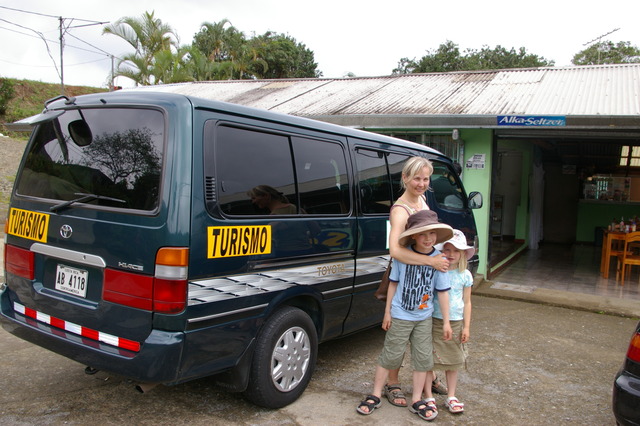
In late June 2008 I went with my family to Costa Rica. I had for quite a long time dreamt about this as it´s often recognized as a prime spot to explore the Central America. It´s well developed for tourism and considered safe. At many places it´s also decently easy to spot some good birds and other wildlife. As I don´t like to travel in organized groups I planed and booked everything by myself. During our 16 days we made a classic tour involving Aranal Volcano, Monteverde Cloud Forest and 10 days beach life close to the great Carara national Park. When staying here you can make a tour into the mangroves and river mouth of Tarcoles River. You can also do a trip down to the lovely Manuel Antonio National Park. On our first stop towards the volcano I took this photo which shows how the private shuttle bus looks like. They are easily booked at the web and there are fixed prices for each route.
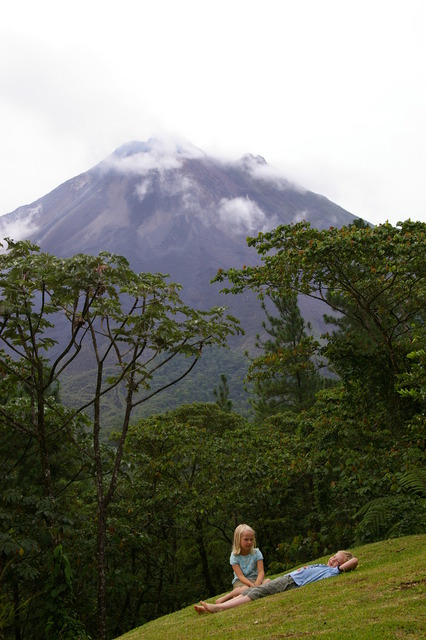
Arenal Observatory Lodge which is beautifully placed close to the bottom of the volcano. Here you can see the lava running down the slopes during the nights.
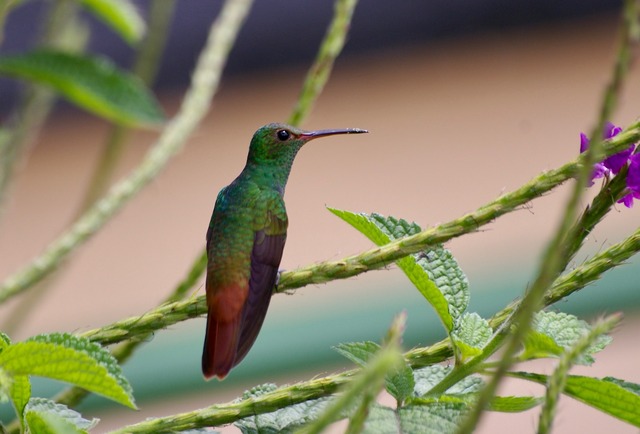
Like most restaurants they have some feeders which attract different types of birds and here I saw mt first hummingbird, the Rufous-tailed Hummingbird.
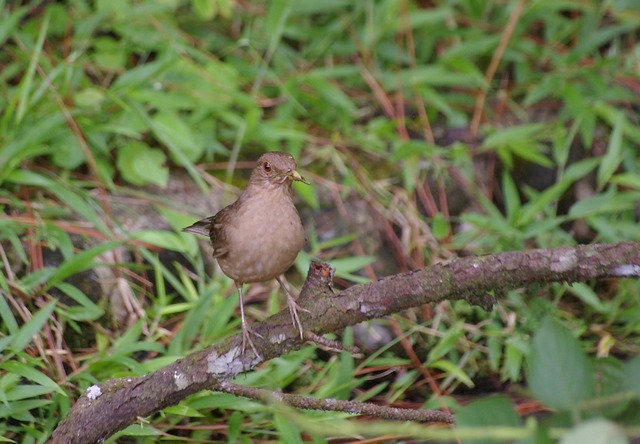
There are some trail here and the surroundings are just marvelous. Realizing how many awesome and colorful birds there are in this country, it´s hard to understand how they can choose the Clay-colored Robin as their national bird.
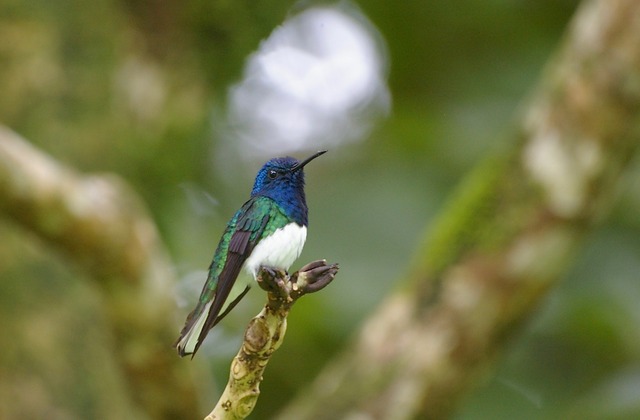
Walking these trails can give you the chance of seeing White-faced Capuchin and The stunning White-necked Jacobin.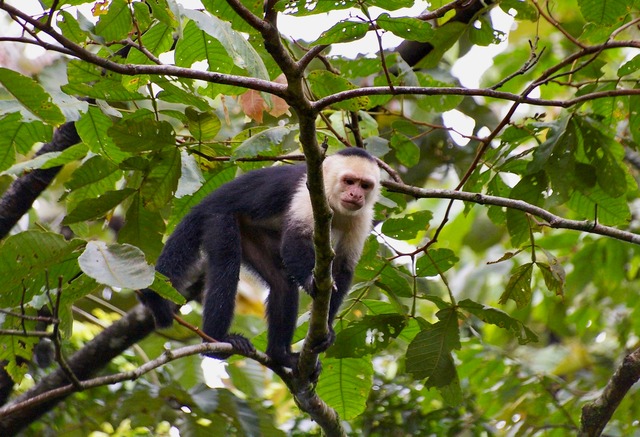
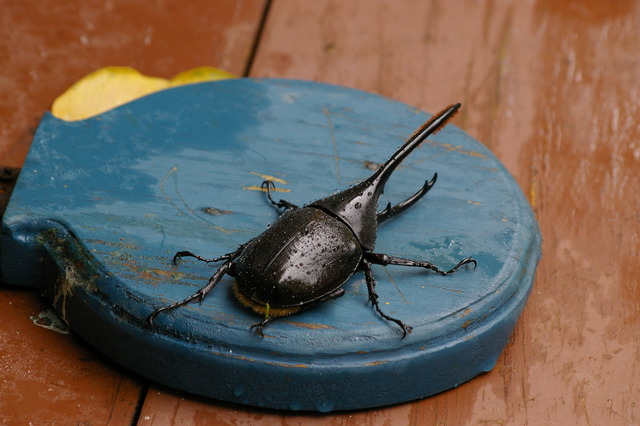
We moved to an other lodge in a more open landscape but still with stunning vistas of the lake and the volcano. Close by we saw this amazing "bug" called Hercules Beetle.
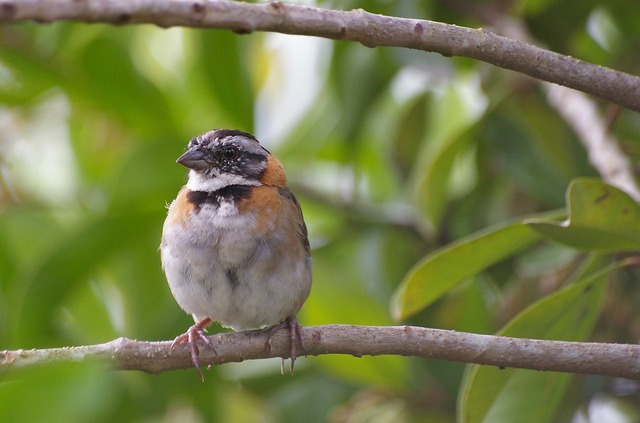
and also some more common birds like this "TK" Tropical Kingbird and the Rufous-collared Sparrow.

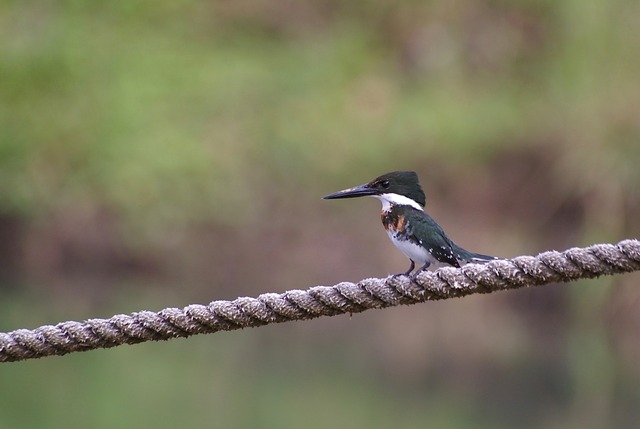
Going to Monteverde from here give you some different options. You can take a horse ride, going both by boat and bus or just bus all the way. My wife chose the horse ride and I took the kids by boat and bus. By the lake I found this Green Kingfisher.
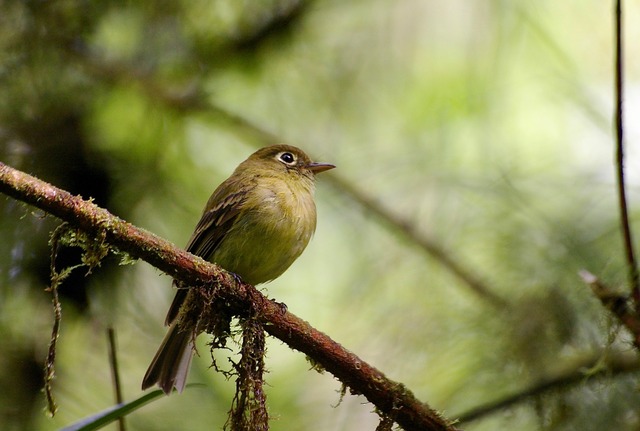
Monteverde is world famous and a mecka for nature lovers. Seeing the birds in the jungle can sometimes be quite difficult. This Yellowish Flycatcher was cooperative though.
However, the hummingbird garden next to the entrance is full of glistening hummers. They come for a short second to visit the feeders and then they are gone again. I found it easier to take photos through finding their resting spots as they seem to favor one or two, to which they will return. Even here you have to be quick as they are very restless. Here yo can see Green Violet-ear in two different plumages.
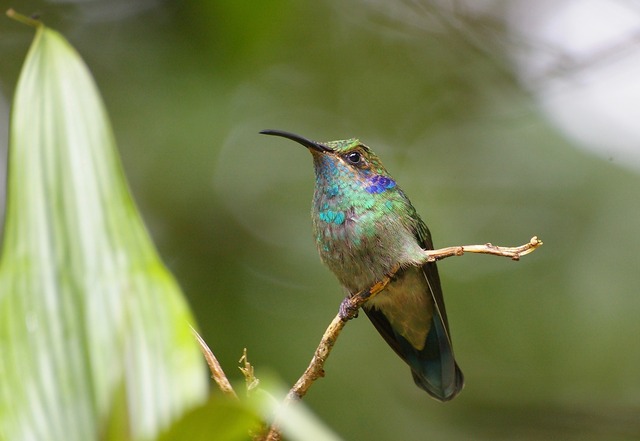
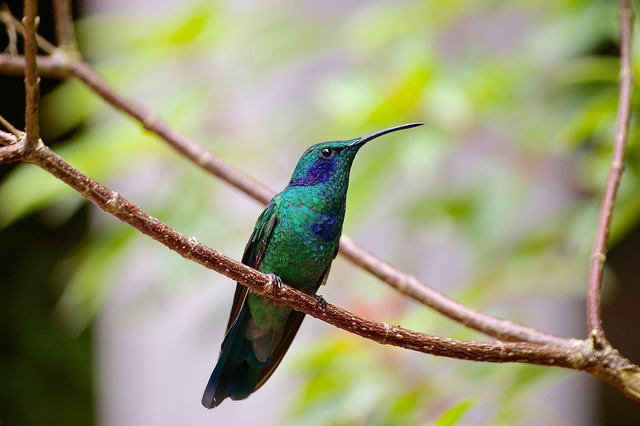
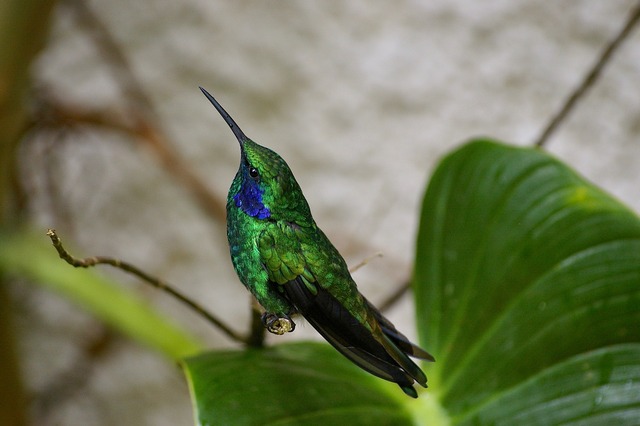 Watching them for a while make you realize how different they appear depending on the light and angle. This aspect and also the many types of plumages make it sometimes quite difficult to tell which species it is, like this one which I think is Canivet´s Hummingbird because of the forked blue tail, but I´m not sure.
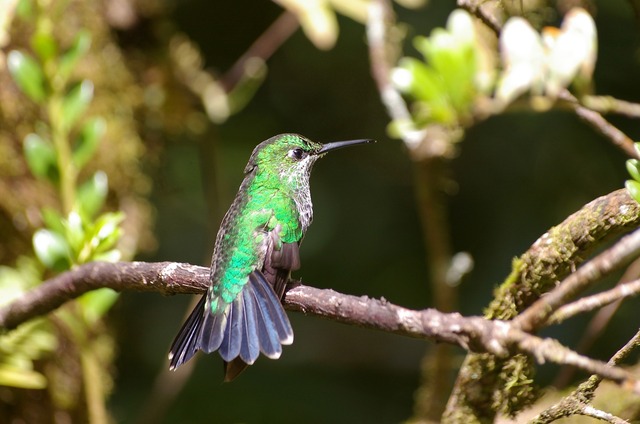
Also the Green-crowned Brilliant can look very different as with these two.
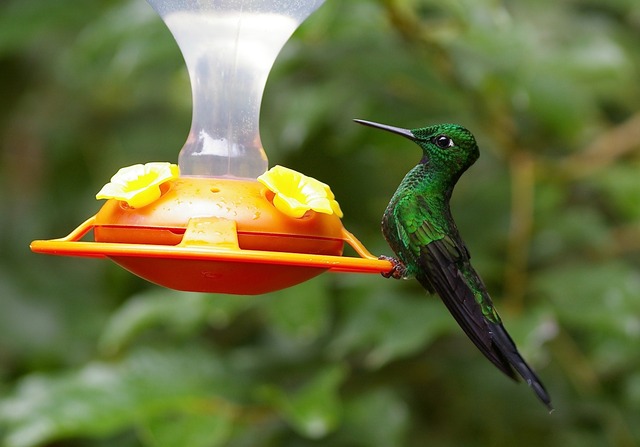
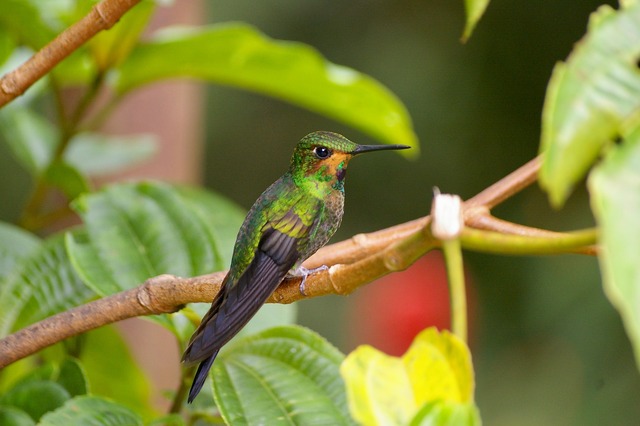
Costa Rice does not have so many endemic birds as you might think but this Coppery-headed Emerald is one of them and favors Monteverde.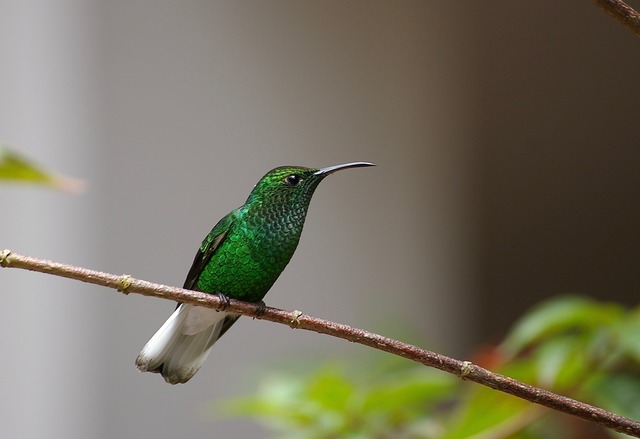
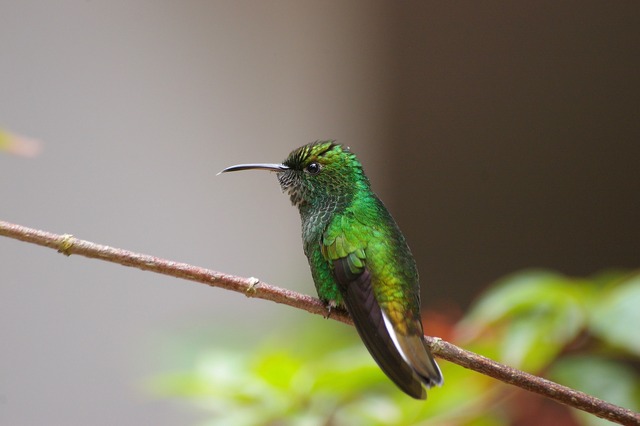
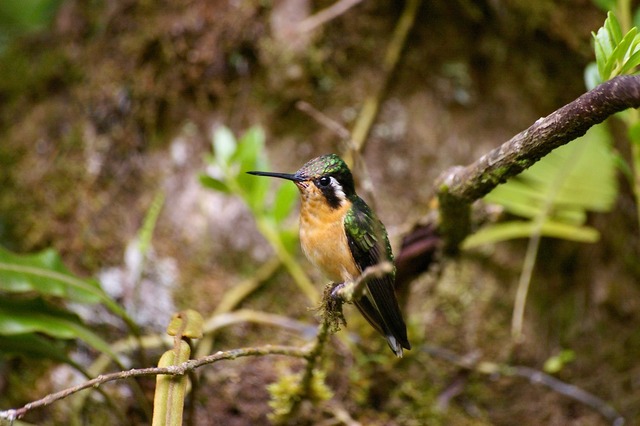
One of my favorites was the Purple-throated Mountain-gem here represented by a female in different poses.
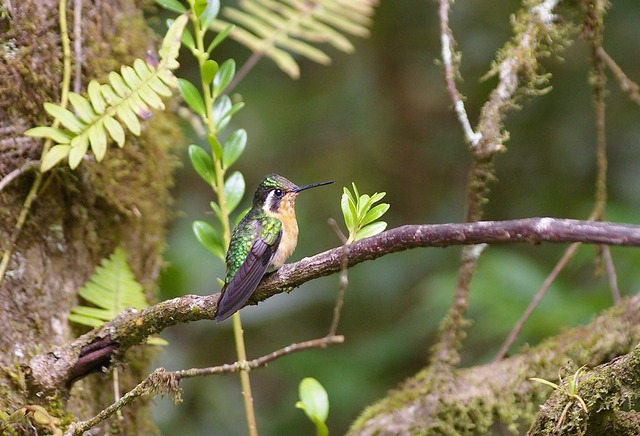
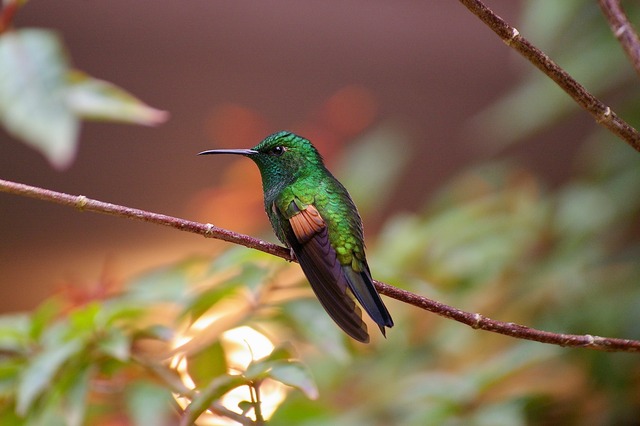
Easily identified by its rufous wing band is this Stripe-tailed Hummingbird.
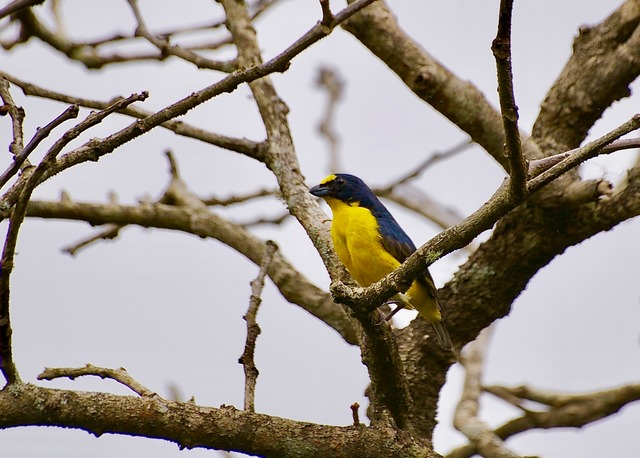
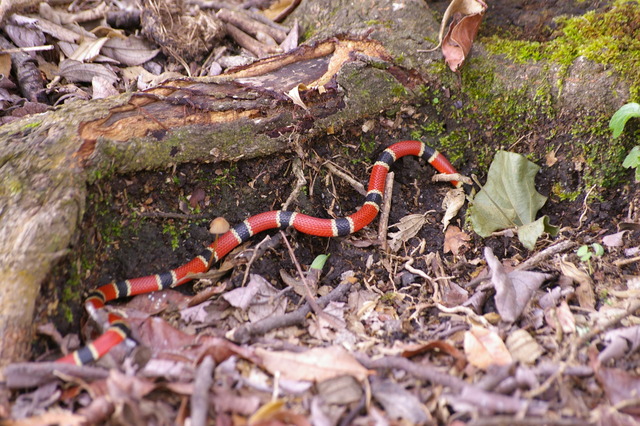
One day my family took a horse ride while I birded some more open areas. Here I found this Yellow-throated Euphonia as well as a "true" Coral Snake. Do you know how to separate it from the false? Red to yellow, kills a fellow for the true and "Red to black, venom lack" for the false.
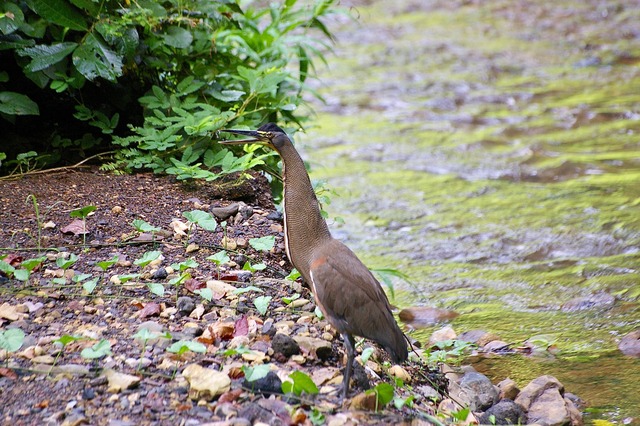
From this beautiful place we continued towards the coast and a resort called Punta Leona which is abutted to the big national park of Carara. This is lowland rainforest and full of birds. Taking photos in the dark jungle is, like I said before, not easy and I didn't´t get many pictures but next to a small river I found this Bare-throated Tiger-Heron.
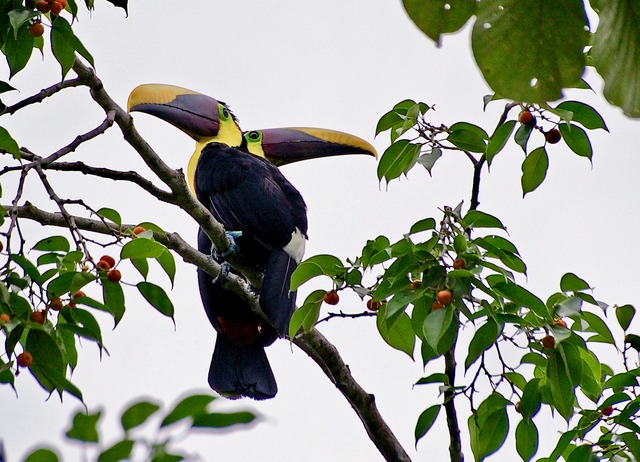
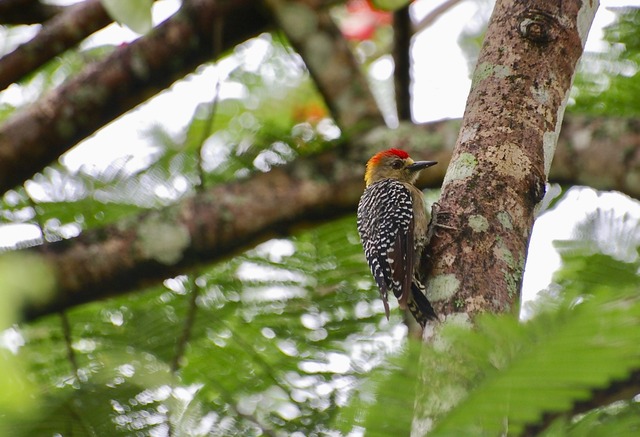
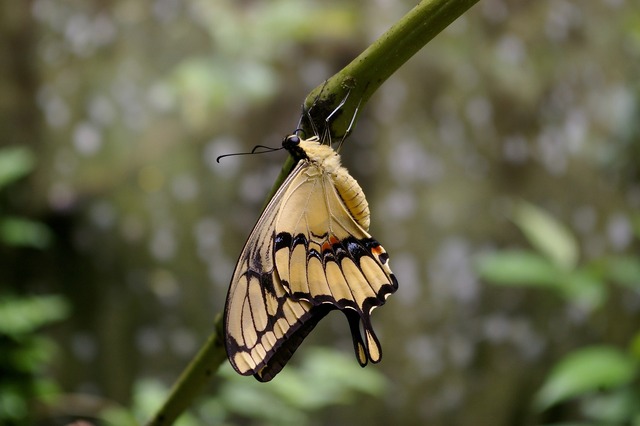
If you are going with your family or just want to rest by the sea and a good pool, while you have good birding just outside your door, this is a good place to visit. The iconic Scarlet Macaw usually nests around here and birds like Chestnut-mandibled Toucan and Hoffann´s Woodpecker is readily seen. There is also a big butterfly house which you can visit and the the different phases of their lives, here a Giant Swallowtail Butterfly.
Other animals is quite often seen like this White-nosed Coati, Varigated Squirrel and the Ctenosaur.
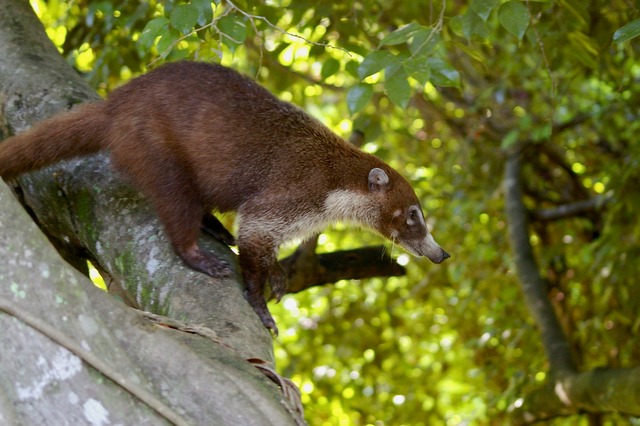
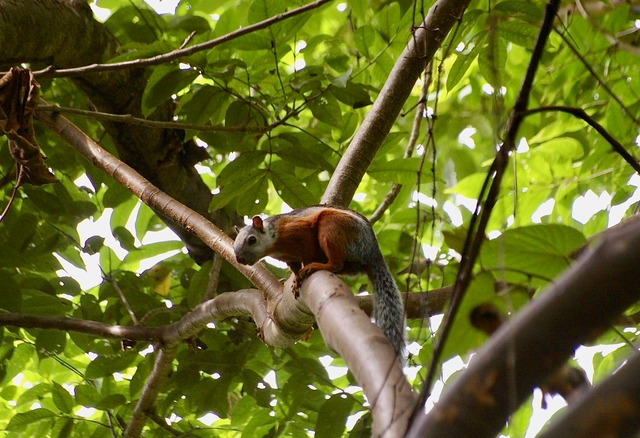
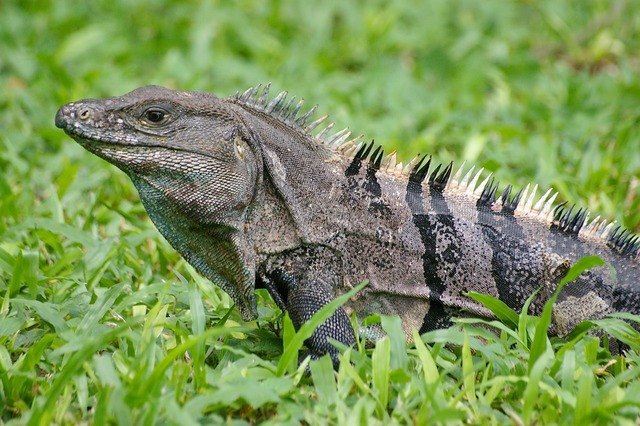
As the resort is just put into the the edge of the jungle some birds will be seen from the swimming pool like this Great Kiskadee which spent some time by the pool every day.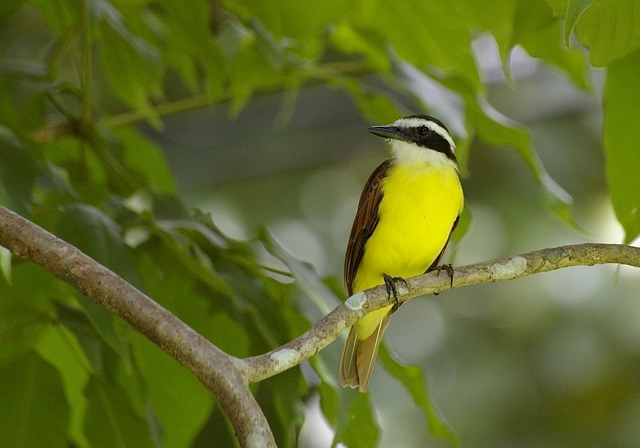
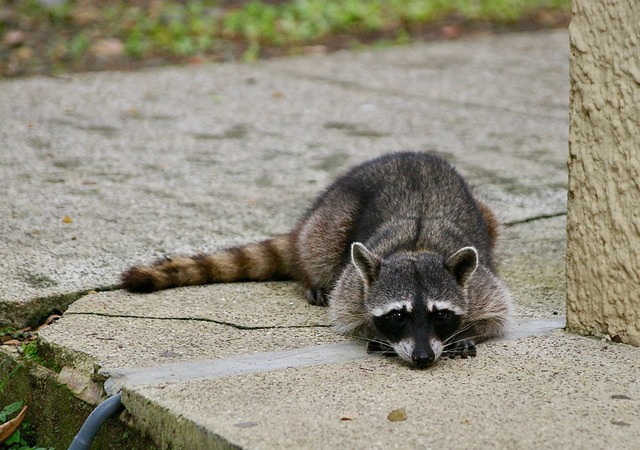
This cute Racoon was hanging around our house but be aware, they could easily come up too close and be aggressive if they think they can get food from you.
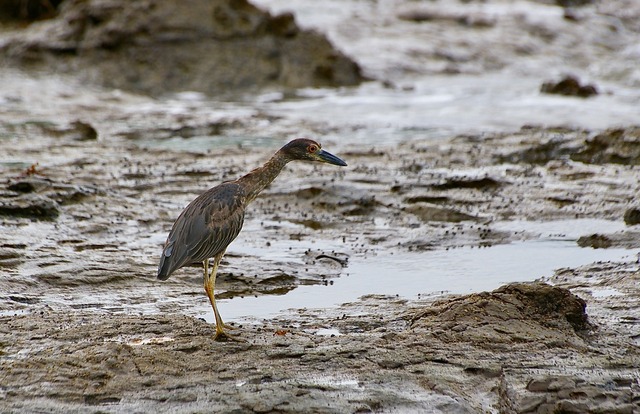
Some more odd and rarer birds seen at Punta Leona was this juvenile Yellow-crowned Night-Heron just next to the beach, Cocoa Woodcreeper and White-whiskered Puffbird.
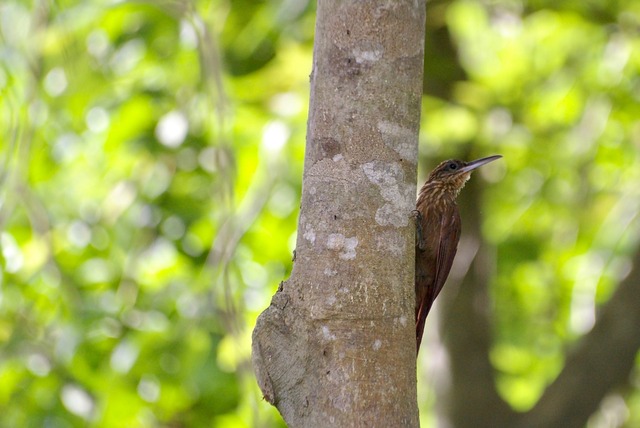
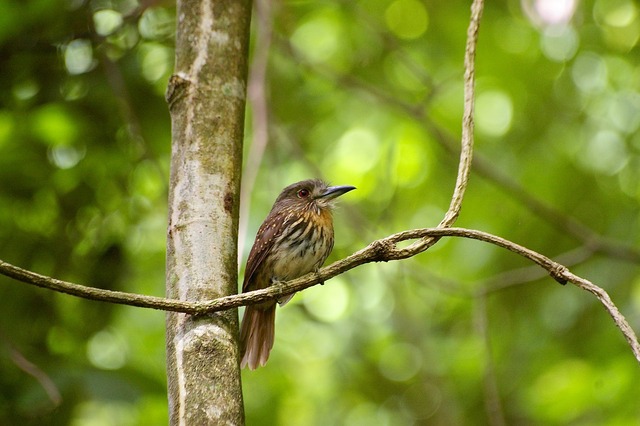
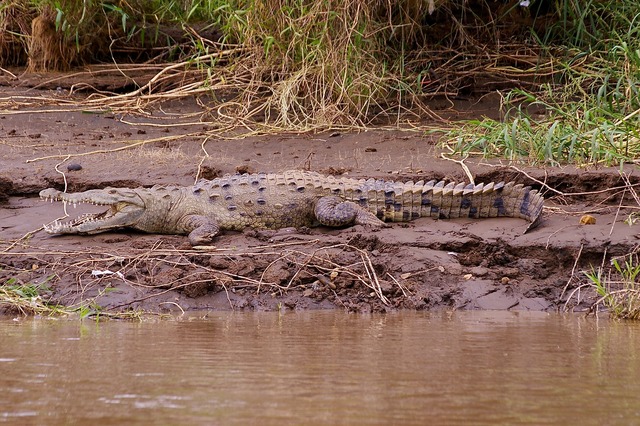
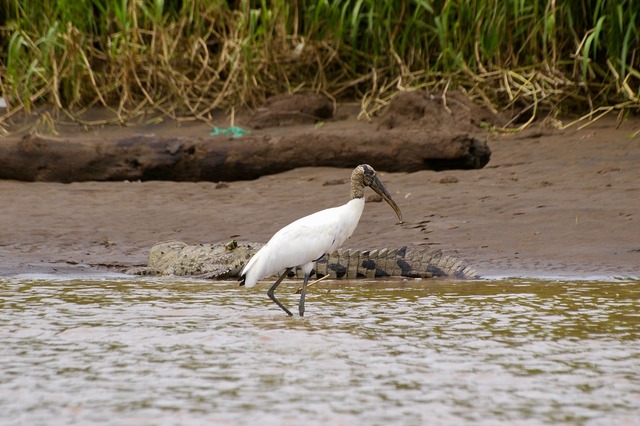
One day we took a guided tour to the Tarcoles River. This is an excellent spot to se some birds and animals related to mangrove and river habitat. We saw quite a few Am. Crocodiles, a few of them quite big like these two. In front of the second you can see a Wood Stork.
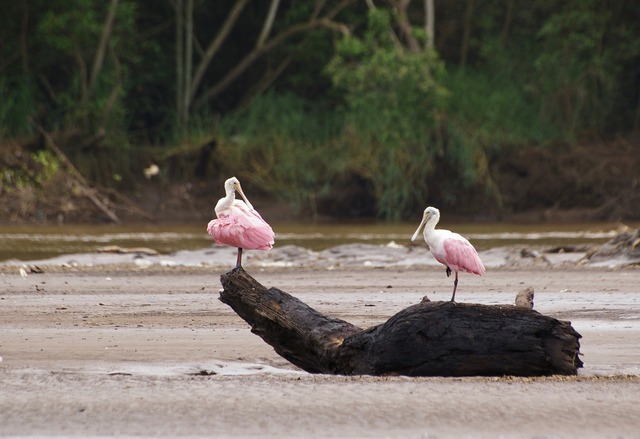
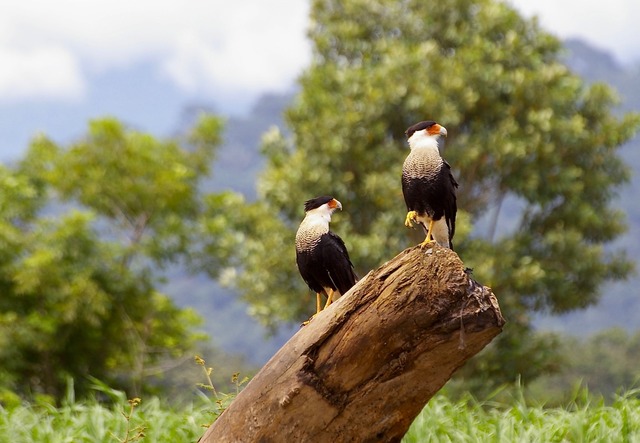
Further up the river we saw some colorful and powerful birds like these Roseate Spoonbills and Crested Caracaras.
One species I really wanted to see was the Boat-billed Heron. Our guide knew exactly where to go and showed an areas with trees where this guy was hiding. Next to it, the much more common and obvious Green Heron.
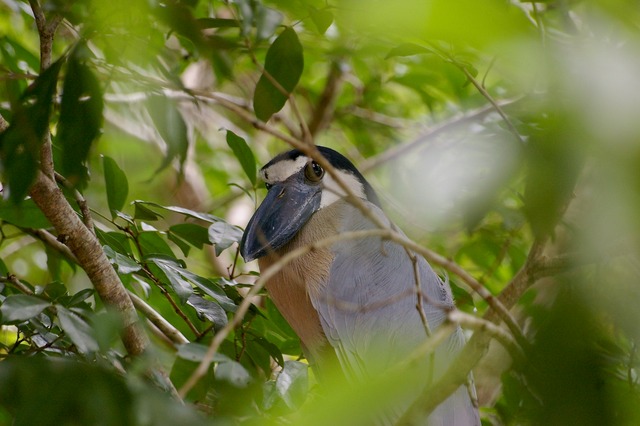
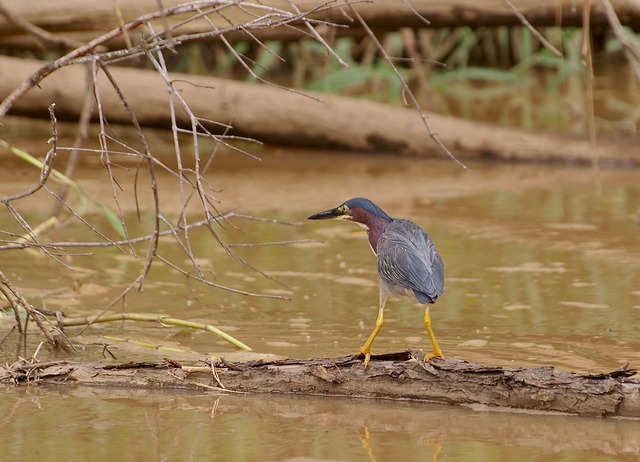
We also made a family trip down to Manuel Antonio National Park which is much more well-known for its natural beauty than wildlife. However, Brown-throated Three-toed Sloth is sometimes easy to find and just north of the park is one of the best places to see the awesome Red-backed Squirrel Monkey. Below my excellent and friendly guide Randall Ortega Chaves.
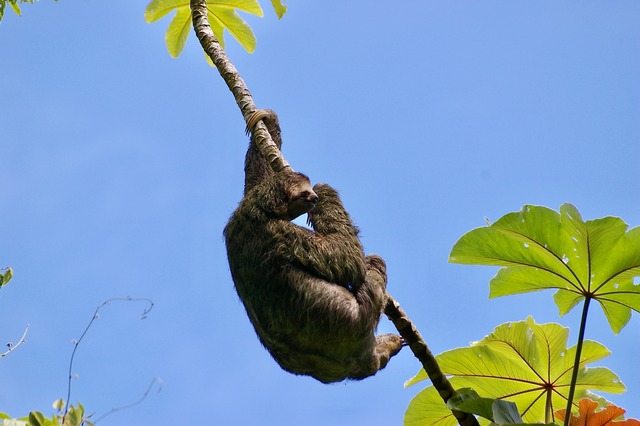
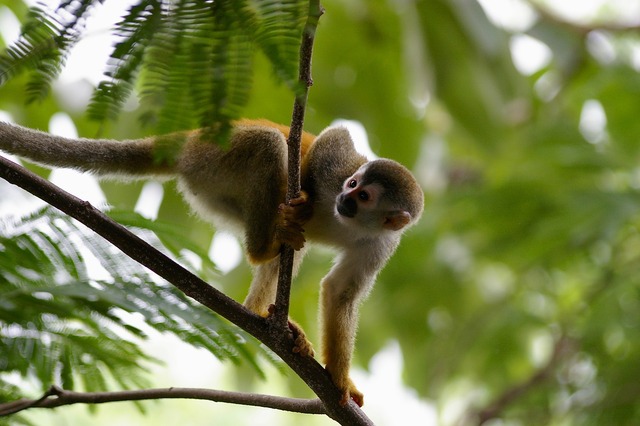
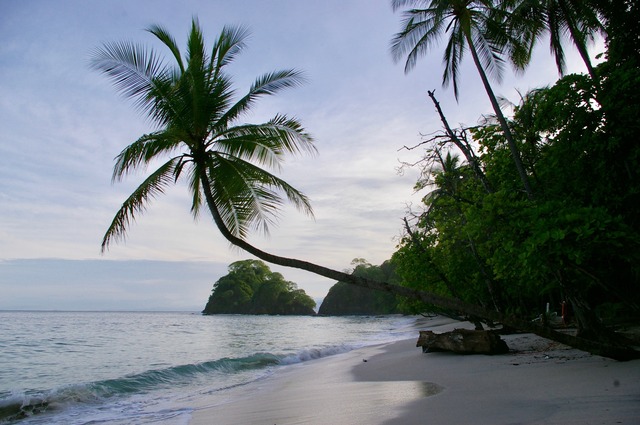
If you saw the film 1492 with Gererd Depardieu many years ago you might recognize the beach. The beach at Punta Leona is the place where many scenes were taken. Pure Vida Costa Rica.
Skriver om
Innehållskategorier
- Intresse - Natur
- Intresse - Vilda djur