"Måla med ljus"
The Blues is not music it’s a way of life
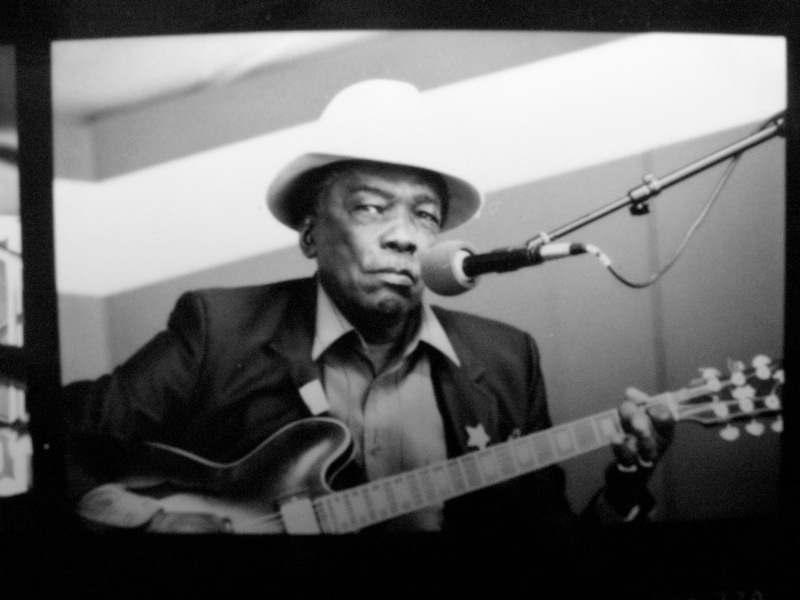
John Lee Hooker is one of the superstars of blues and he is known as the King of Boogie and the King of Cool. His simple but effective songs has made a huge impact on modern music and artist like The Rolling Stones and the Yardbirds introduced his songs to a new and bigger audience.
John Lee Hooker was a blues singer from Mississippi in USA. He moved to Detroit in 1943 when he started to work on a factory. In his spare time John Lee visited the Apex Bar on Hasting Street which was the heart of the towns black entertainment district. He bought a electric guitar and started to play in the clubs. He quickly rose to fame and started to put out records in the late 40s.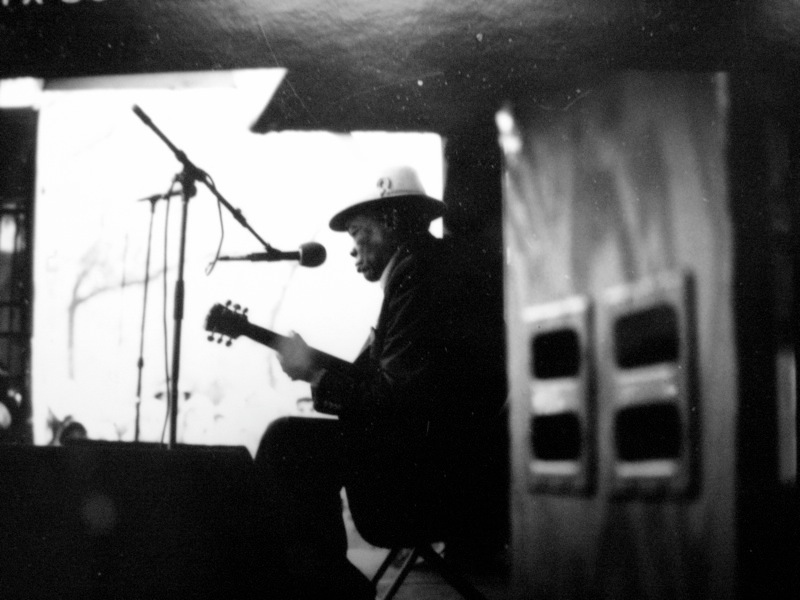
His first single Boogie Chillen was a instant hit. With it’s driving rhythm the song is considered to be a forerunner of rock’n roll music. Michael "Cub" Koda the author of the books All Music Guide To Blues and Blues for Dummies said that the riff in John Lee’s debut single "Boogie Chillen" launched a million songs.
- In my career, people in the record business have been rockin' in the same ol' boat. They all crooks - I'll say it clear and loud - especially the big ones. - John Lee Hooker
Like so many other Afro-American musicians John Lee Hooker earned little money from the record sale and had to play in pubs and shacks in order to get some extra money to pay his bills. John Lee had his own style and he only knew maybe two or three cords. It was hard to work with John Lee cause he rarely played with a standard beat and often changed tempo in the songs. Therefore he often worked alone.
In 1958 John Lee met the 12 year old guitar player Leroy Emmanuel who didn’t have a problem with his style of playing and knew how to follow. Leroy was just a kid but he could play and he was happy just to play with anybody. Leroy played with John Lee in various clubs and shacks in Detroit over a 10 year period. But he never did any recordings with him.
Leroy Emmanuel (second left) playing with John Lee Hooker in 1964. Photo: Unknown.
– John Lee Hooker was known but he wasn’t big. We were playing at a place called Blues Unlimited on the Eastside of Detroit. It was only a little shack. We sat there in a corner playing the blues in the dusty little place. John Lee was singing and doing his guitar thing he looked at me and I did all the solo stuff. – Leroy Emmanuel.
Although his record sale was good John Lee still had to struggle to survive. He reached a new audience in 1962 when he made his first ever tour to Europe and he had a huge impact on the blues scene in England. By the end of the decade John Lee played at festivals and rock clubs in Europe. Although he made records and sold many tickets he hardly had enough money to pay his bills.
– I said John Lee you gonna be famous man. I can feel it. You gonna be famous one day. What happened when time went on? Bonnie Rait played with John Lee, Santana played with John Lee all this superstars playing with John Lee and he became really famous. – Leroy Emmanuel.
John Lee Hooker made a album with Canned Heat in 1971 and it was the first of his albums that charted. In the late 70s and 80s John Lee toured Europe and the USA steadily. In 1989 recorded John Lee the Healer with Boonie Rait, Carlos Santana, Canned Heat among others. The Healer and the albums that followed was huge successes and it permitted John Lee Hooker to live the rest of his life in comfort.
Blues was not only music for John Lee Hooker it was a way of life. John Lee died in his sleep on June 21, 2001 in his home in California at a age of 83 years. But the blues wasn't buried with John Lee. It's still alive and many musicians carries on the blues torch. One of them is Leroy Emmanuel. He has played the blues for 60 years and continues to make records and tour the world.
Leroy Emmanuel playing the blues in 2013. Photo: Mikael Good
The first and Second photo in this article was taken at the Chicago Bluesfest in 1986 by Stevesworldofphotos
Text : Mikael Good
An Interview With a Guitar Legend
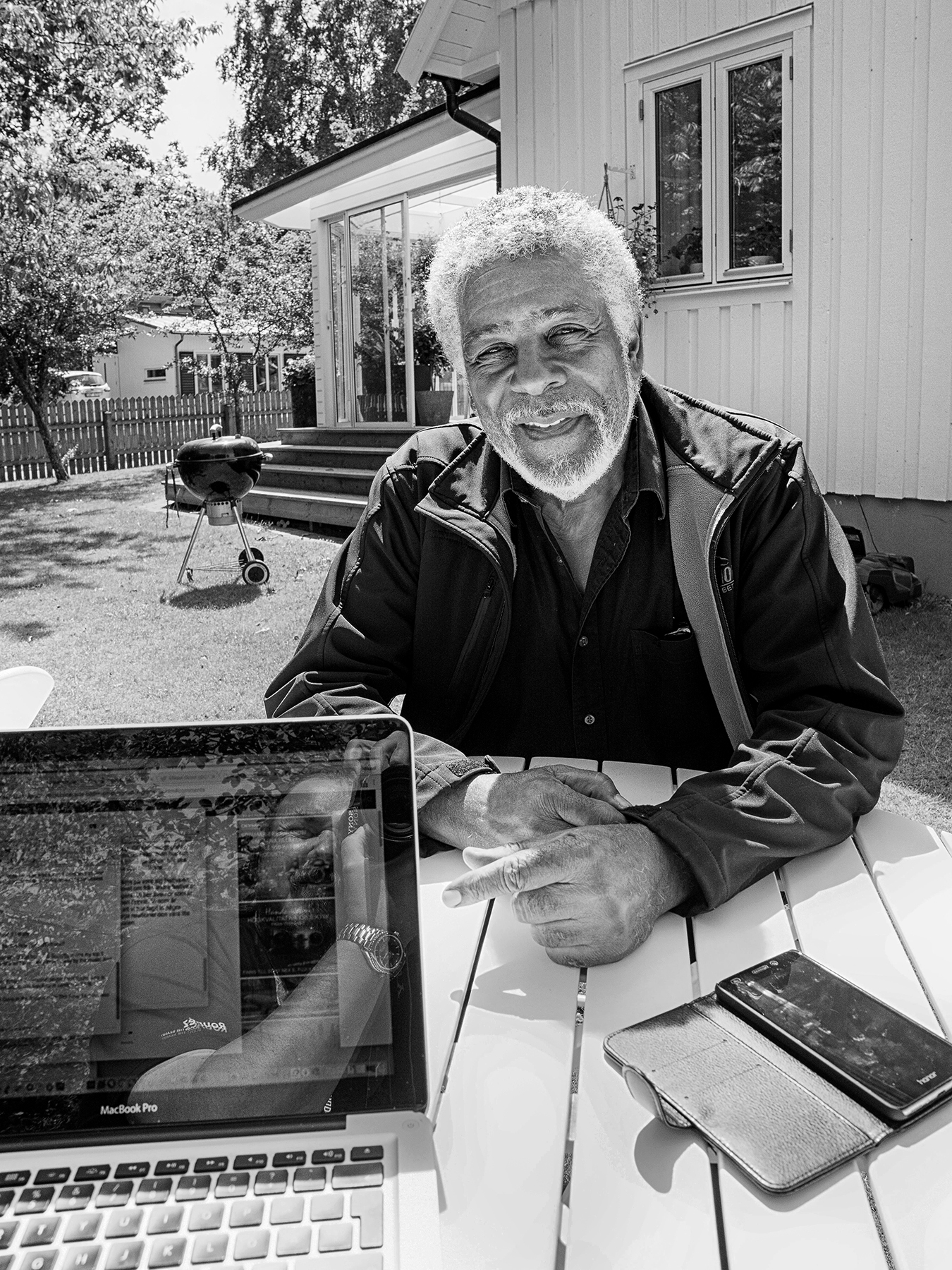
Leroy Emmanuel started his professional career when he was 12 when he played a gig with Sonny Boy Williamson. Since then he has played with some of the greatest entertainers in the history of modern music. Most people have heard Leroys guitar play and his backing vocals. But not so many know who he is or have heard his story. I want to tell Leroys story and I did a long interview with him this summer. A interview that will hopefully be published later this year.
Text and Photo: Mikael Good
Kålgården blev grävskopornas rov
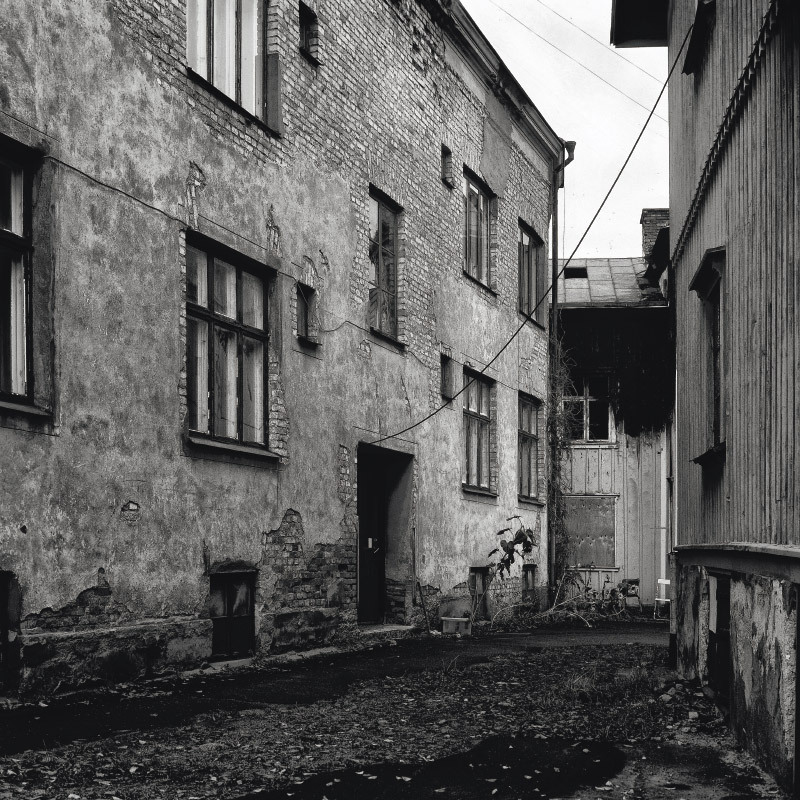
Kålgården var ett trevligt innergårdsområde i Jönköping. Det revs tyvärr 1996 för att ge plats för dyra fina bostadsrätter för bättre bemedlade. Innan området blev grävskopornas rov spenderade jag en hel del tid med att gå runt i och dokumentera det för eftervärlden. Så här i backspegeln tycker jag att det är tråkigt att den gamla miljön inte renoverades och införlivades i det nya området för att bevara något av Kålgårdens ursprungliga charm. 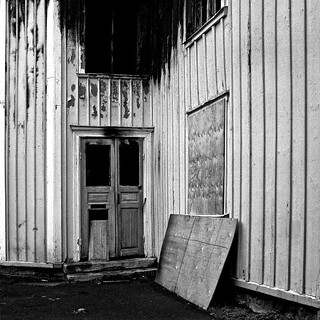
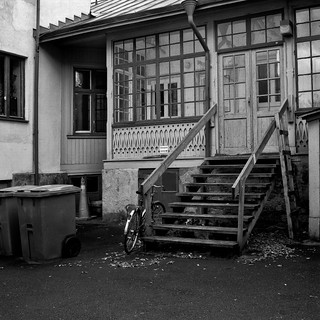
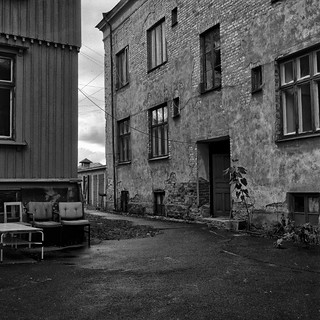
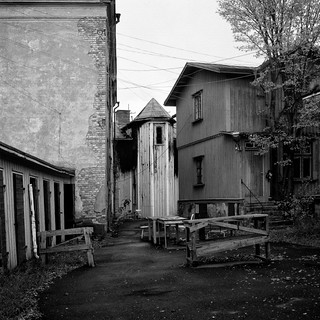
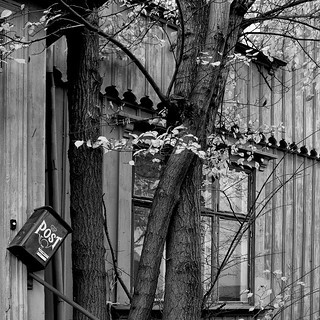
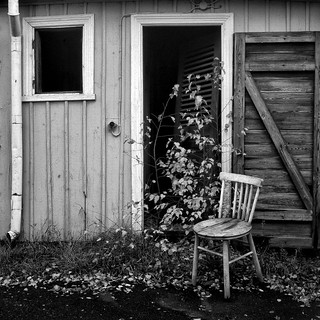
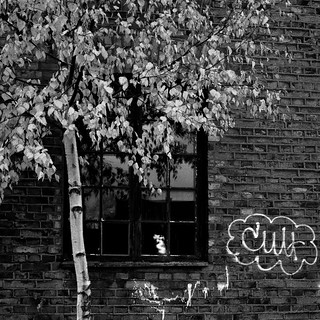
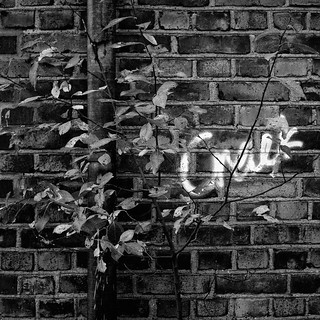
Text och foto: Mikael Good
80% av europas romer riskerar att hamna i fattigdom

Andelen människor som lever i fattigdom och extrem fattigdom är procentuellt låg i Europa jämfört med andra världsdelar. Men om man tittar närmare på den procenten ser man att en stor andel av dem som tillhör någon av Europas minoritetsgrupper är bland de allra fattigaste i Europa.
Enligt en EU-studie från 2016 riskerar 17% av Europas befolkning att hamna i fattigdom, bland Europas 14 miljoner romer är den siffran 80%: http://www.economist.com/blogs/graphicdetail/2016/11/daily-chart-20
Text och foto: Mikael Good
Den övergivna försvarsbunkern

Runt om i Sverige finns det mängder av övergivna bunkrar från andra världskriget. En av dem finns i en medelstor svensk stad och användes till att försvara oljedepån och hamninloppet.
När andra världskriget bröt ut var Sveriges beredskap allt annat än god och det fanns inte någon försvarplan för en fientlig invasion. Efter det att Danmark och Norge ockuperats av nazityskland började skyndsamt bunkrar att byggas runt om i landet. De flesta byggdes utmed Skånekusten och i Dalsland där invasionshotet var som störst och försvarslinjer med bunkrar och stridsvagnshinder byggdes. I övriga landet byggdes bunkrar vid speciella objekt som var viktiga att försvara. 
En av alla de drygt 3700 bunkrar som byggdes runt om i Sverige under andra världskriget låg i utkanten av den mellansvenska staden. Den fungerade som ett försvar för den närliggande oljedepån och hamninloppet. 1961 flyttades oljedepån och bunkern förlorade sitt primära syfte. När jag besökte den för första gången i september 1992 var bunkern fortfarande i relativt gott skick. Men på våren 1993 upptäckte traktens ungdomar att den var olåst och för dem blev det en utmärkt festplats. Det ledde till klagomål från omkringboende och det bidrog till att bunkern plomberades.


Det har gått 24 år sedan jag senast besökte bunkern men av en tillfällighet cyklade jag förbi den häromdagen och bestämde mig för att stanna och ta ett par bilder.
Text och foto: Mikael Good
Skriver om
Innehållskategorier
- Intresse - Konsertfoto
- Intresse - Reportage / Situation
- Intresse - Svart-vitt
Arkiv
- Juni 2025
- Mars 2025
- Januari 2025
- December 2024
- November 2024
- Oktober 2024
- September 2024
- Februari 2024
- Augusti 2023
- Juli 2023
- Maj 2023
- April 2023
- Mars 2023
- Januari 2023
- December 2022
- November 2022
- Oktober 2022
- September 2022
- Augusti 2022
- Juli 2022
- Juni 2022
- Maj 2022
- April 2022
- Mars 2022
- Februari 2022
- Januari 2022
- December 2021
- November 2021
- Oktober 2021
- September 2021
- Augusti 2021
- Juli 2021
- Juni 2021
- Maj 2021
- April 2021
- Mars 2021
- Februari 2021
- Januari 2021
- December 2020
- November 2020
- Oktober 2020
- September 2020
- Augusti 2020
- Juli 2020
- Juni 2020
- Maj 2020
- April 2020
- Mars 2020
- Februari 2020
- Januari 2020
- December 2019
- November 2019
- Oktober 2019
- September 2019
- Augusti 2019
- Juli 2019
- Juni 2019
- Maj 2019
- April 2019
- Mars 2019
- Februari 2019
- Januari 2019
- December 2018
- November 2018
- Oktober 2018
- September 2018
- Juli 2018
- Juni 2018
- Maj 2018
- April 2018
- Mars 2018
- Februari 2018
- Januari 2018
- December 2017
- November 2017
- Oktober 2017
- September 2017
- Augusti 2017
- Juli 2017
- Juni 2017
- Maj 2017
- April 2017
- Mars 2017
- Januari 2017
- December 2016
- November 2016
- Oktober 2016
- September 2016
- Juli 2016
- Juni 2016
- April 2016
- Mars 2016
- Februari 2016
- Januari 2016
- December 2015
- November 2015
- Oktober 2015
- September 2015
- Augusti 2015
- Juli 2015
- Juni 2015
- Maj 2015
- April 2015
- Mars 2015
- Februari 2015
- Januari 2015
- December 2014
- November 2014
- Oktober 2014
- September 2014
- Augusti 2014
- Juli 2014
- Juni 2014
- Maj 2014
- April 2014
- Mars 2014
- Februari 2014
- Januari 2014
- December 2013
- November 2013
- Oktober 2013
- September 2013
- Augusti 2013
- Juli 2013
- Juni 2013
- Maj 2013
- April 2013
- Mars 2013
- Februari 2013
- Januari 2013
- December 2012
- November 2012
- Oktober 2012
- September 2012
- Augusti 2012
- Juli 2012
- Juni 2012
- Maj 2012
- April 2012
- Mars 2012
- Februari 2012
- Januari 2012
- December 2011
- November 2011
- Oktober 2011
- September 2011
- Augusti 2011
- Juni 2011
- Maj 2011
- April 2011
- Mars 2011
- Februari 2011
- Januari 2011
- December 2010
- November 2010
- Oktober 2010
- September 2010
- Augusti 2010
- Juli 2010
- Juni 2010
- Maj 2010
- April 2010
- Mars 2010
- Februari 2010
- Januari 2010
- December 2009
- November 2009
- Oktober 2009
- September 2009
- Augusti 2009
- Juli 2009
- Juni 2009
- Maj 2009
- April 2009
- Mars 2009
- Februari 2009
- Januari 2009
- December 2008
- November 2008
- Oktober 2008
- September 2008
- Augusti 2008
- Juli 2008
- Juni 2008
- Maj 2008
- April 2008
- Mars 2008
- Februari 2008
- Januari 2008
- December 2007
- November 2007
- Oktober 2007
- September 2007
- Augusti 2007
- Juli 2007
- Juni 2007
- Maj 2007
- April 2007
- Mars 2007
- Februari 2007
Kategorier
- Bildjournalistik
- Fotosidan Blogg
- Intresse - Action / Äventyr
- Intresse - Arkitektur
- Intresse - Barn
- Intresse - Bröllop
- Intresse - Digital efterbehandling
- Intresse - Fine Art Nude
- Intresse - Gatufoto
- Intresse - Husdjur / Tamdjur
- Intresse - Konsertfoto
- Intresse - Konstfoto
- Intresse - Landskap
- Intresse - Macro
- Intresse - Nattbild
- Intresse - Porträtt
- Intresse - Posering
- Intresse - Produkter
- Intresse - Reportage / Situation
- Intresse - Resefoto
- Intresse - Sport / Motorsport
- Intresse - Svart-vitt
- Intresse - Toycamera
- Intresse - Utrustning
- Intresse - Vilda djur
- Intresse - Växter, insekter, naturdetalj
- Teknik - Färg
- Teknik - Infrarött (IR)
- Teknik - Kolorerad
- Teknik - Montage
- Teknik - Mörkrum (analogt)
- Teknik - Mörkrum alt. teknik (analogt)
- Teknik - Studioljus (inne/ute)
- Teknik - Sv/v
Bloggar
- Camera Obscura
- CARLZONZ BILDER II
- Göran Tonström - Stellas farfar
- Micke Berg Photo
- Mudride
- Spånerier
- Straight Photography